Top Landscaping Services in Falls Church, VA, 22040 | Compare & Call

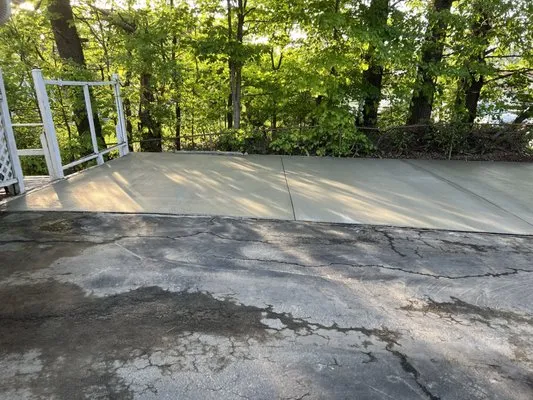
Angel Landscaping and Masonry LLC is a Falls Church-based company with over five years of specialized experience in transforming outdoor spaces. We work directly with homeowners to bring their landsca...
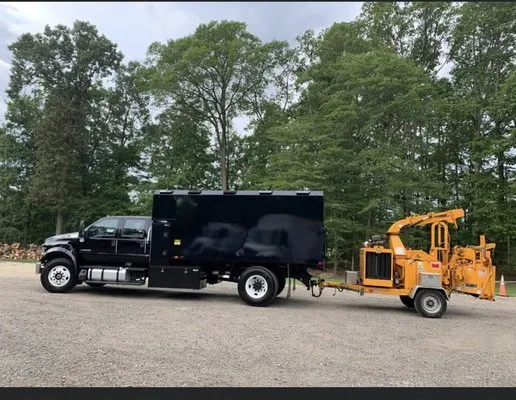
AX Tree Services LLC is a licensed, full-service tree care company serving Falls Church, Northern Virginia, Washington D.C., and Maryland. Our qualified team specializes in both residential and commer...
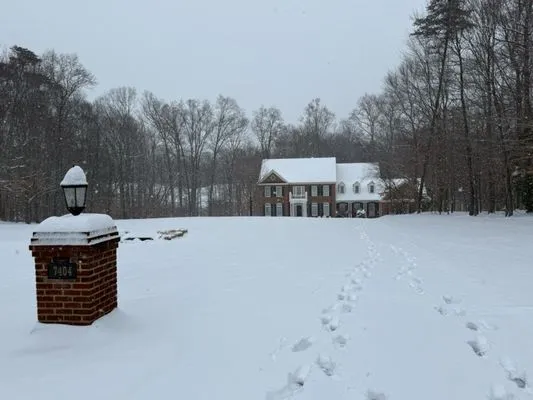
Founded by Adam Clark in 2014, Clark's Landscaping grew from a homeowner's passion for transforming his own yard in Falls Church. Adam loves working outdoors and takes great pride in turning ordinary ...
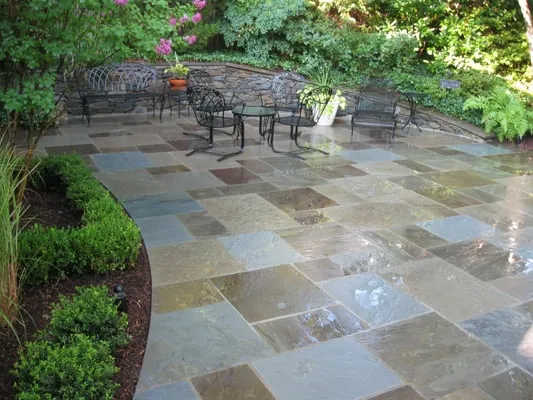
Custom Stonescaping
Founded in 1994 by Jeff Reynolds, Custom Stonescaping LLC has been the trusted, original stonescaper in Northern Virginia for three decades. Jeff, a Virginia Tech graduate and former Fairfax County te...
Weiler's Lawn & Landscape
Weiler's Lawn & Landscape is a trusted Falls Church company specializing in transforming outdoor spaces. We offer comprehensive services from initial design to final installation, focusing on creating...
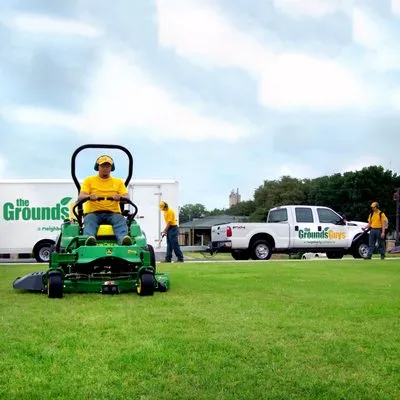
The Grounds Guys of Falls Church provides year-round property care for homeowners and businesses in the Falls Church, VA area. We are a locally owned and operated branch of a national brand founded in...
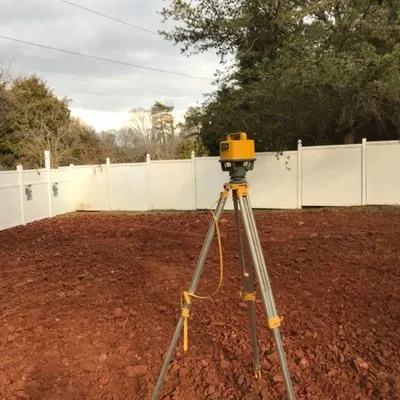
Founded in 2001, G & G Landscaping is a locally-owned and operated company serving Falls Church, VA, and the surrounding area. Our commitment is straightforward: to do the best work for every customer...
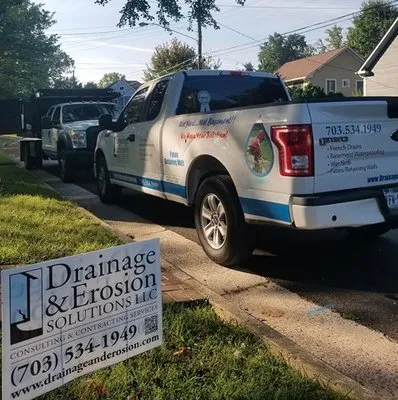
Drainage & Erosion Solutions
Drainage & Erosion Solutions (DES) is an award-winning design-build firm in Falls Church, VA, dedicated to resolving drainage and erosion problems for both homes and businesses. As a fully integrated ...
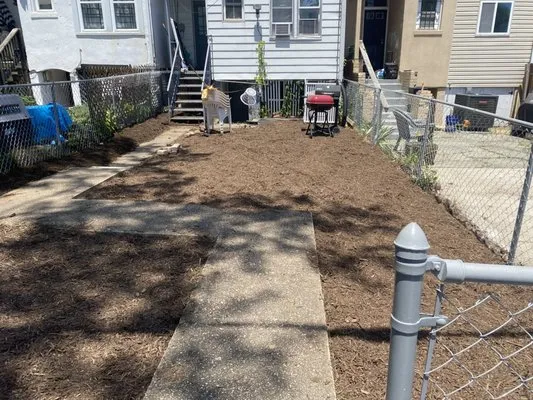
B&G Landscaping is a Falls Church-based landscaping company founded by passionate high schoolers over seven years ago. We specialize in weeding and mulching for both residential and commercial propert...
Clean Cut Yard Service is a family-owned and operated landscaping company proudly based in Arlington County, serving Falls Church and the surrounding Northern Virginia communities. Born and raised rig...
Question Answers
How do I deal with invasive vines like English Ivy without harsh chemicals?
Manual removal is most effective for invasive species; cut vines at the base and carefully peel them from trees to prevent girdling. For follow-up control, a targeted, glyphosate-based herbicide applied via a sponge to the cut stem in late fall is a minimal-volume option. This timing and method align with Chesapeake Bay Watershed regulations, preventing chemical runoff and avoiding restricted phosphorus-based fertilizers. Never apply during spring green-up or near heavy rains.
My yard pools water after every rain. What's a long-term solution?
Moderate runoff is a direct result of heavy clay compaction, which has very low permeability. Installing a French drain system to redirect water is often necessary. For new patios or walkways, specify permeable concrete pavers; they allow stormwater to infiltrate onsite, meeting City of Falls Church runoff standards. Combining subsurface drainage with permeable surfaces effectively manages the volume and velocity of water common in this soil type.
Why does my soil feel so dense and why won't anything grow well?
Homes built around 1970, common in Broadmont, were often graded with heavy subsoil. After over 50 years, the native acidic clay loam has become highly compacted, reducing pore space for roots and water. This compaction, typical in neighborhoods of this age, severely limits soil percolation. Core aeration and incorporating 2-3 inches of composted leaf mulch are required to rebuild structure and biology. Without this intervention, turf and ornamentals will continue to struggle.
What permits and credentials should I verify before hiring for a major landscaping project?
Any project involving significant grading, drainage, or retaining walls over 18 inches requires a permit from the City of Falls Church Department of Development Services. Virginia law mandates that the contracting firm hold a valid Class A, B, or C license from the DPOR for this work. On a 0.19-acre lot, improper grading can adversely affect neighboring properties, making this licensing non-negotiable. Always request the contractor's DPOR license number and verify it online before signing a contract.
I'm tired of weekly mowing and gas blower noise. What are my options?
Transitioning perimeter beds to a xeriscape of Virginia natives like Eastern Redbud and Little Bluestem drastically reduces maintenance. These plants require no fertilization, minimal water once established, and no weekly mowing. This approach future-proofs your landscape against evolving noise ordinances that discourage gas-powered equipment. It also creates a higher-functioning habitat, supporting local pollinators far more effectively than a monoculture turf lawn.
A storm dropped a large limb. How fast can a crew arrive for an emergency cleanup?
For urgent safety issues like downed limbs, a crew can typically be dispatched from a staging area near Cherry Hill Park. Using I-66 for access, the estimated travel time to the Broadmont area during peak hours is 20-30 minutes. We prioritize these calls to mitigate immediate hazard and begin clearing debris, with full site restoration following. All equipment is electric-compliant, adhering to the local noise ordinance for after-hours work if necessary.
How can I keep my Tall Fescue lawn green without wasting water?
Smart Wi-Fi ET-based controllers are the standard for efficient irrigation in Falls Church. These systems use local weather data to apply only the water lost to evapotranspiration, preventing overwatering. For acidic clay loam, this means deep, infrequent cycles that encourage root growth and prevent runoff. This method aligns perfectly with voluntary conservation efforts, maintaining turf health while reducing potable water use by 20-40% compared to traditional timers.
Are permeable pavers a better choice than a wooden deck for a new patio?
Permeable concrete pavers offer superior longevity and functionality in our climate. Unlike wood, they require no sealing or staining, are not susceptible to rot, and provide critical stormwater management. Their non-combustible nature contributes to a defensible space, relevant even in our low Fire Wise rating urban setting. For a 0.19-acre lot, pavers maximize usable space without contributing to the heat island effect or runoff problems associated with solid concrete.
