Top Landscaping Services in Disputanta, VA, 23842 | Compare & Call
There are 165 landscaping companies server in Disputanta VA
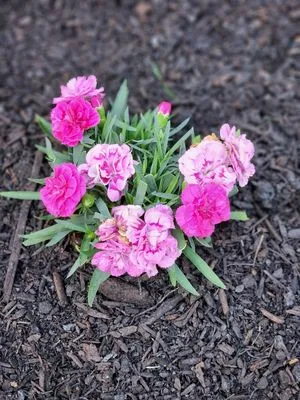
Ol Grit Tree & Landscaping is a family-run business serving Orange, Virginia and surrounding counties since 2018. We specialize in comprehensive landscaping services including tree care, shrub mainten...
D & K Property Enhancements is a trusted, family-run tree and landscaping service based in Locust Grove, Virginia. Specializing in tree care, lawn maintenance, and excavation, they help homeowners tac...
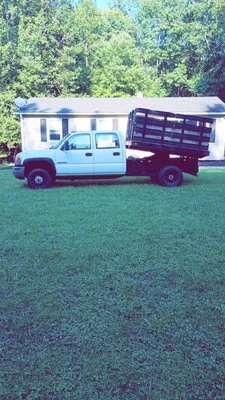
Pristine Land Worx is your trusted, full-service landscaping and excavation partner in Dillwyn, Virginia. We specialize in tackling common local yard challenges like standing water and poor grading. O...
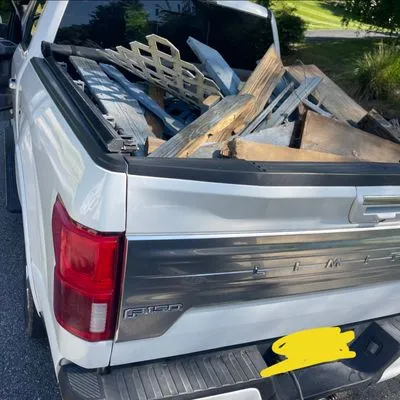
The Yard Boss is your trusted, full-service junk removal and landscaping partner in Midlothian, VA. We help homeowners reclaim their space and their peace of mind. Beyond standard junk pickup, applian...
At Mark's Lawncare Service in Henrico, VA, we believe in getting the job done right. I'm Mark, a local, hard-working professional who's passionate about creating healthy, beautiful lawns. You'll find ...
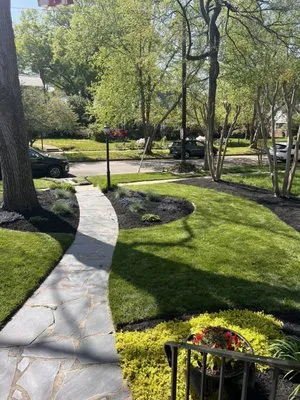
DCS Landscaping is a licensed, woman-minority-owned landscaping and tree service provider with over a decade of experience serving Richmond and the surrounding area. We are built on a foundation of re...
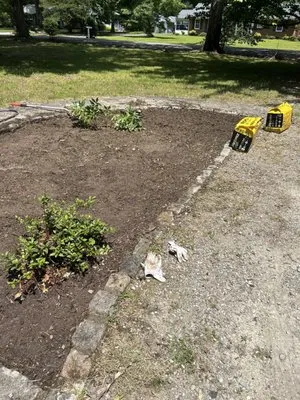
Outdoor Oasis Landscaping in Bon Air, VA, specializes in creating and maintaining beautiful outdoor spaces through deck construction, design, repair, and replacement, along with comprehensive lawn car...
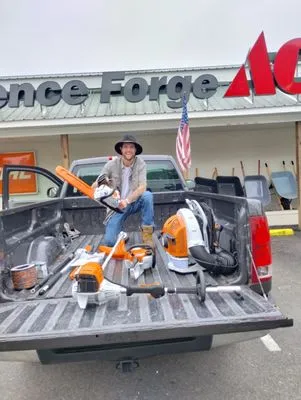
Yardvana brings over 17 years of deep-rooted landscaping expertise to Henrico, VA, with a decade spent managing a successful company before branching out independently. Our mission is to create 'yard ...
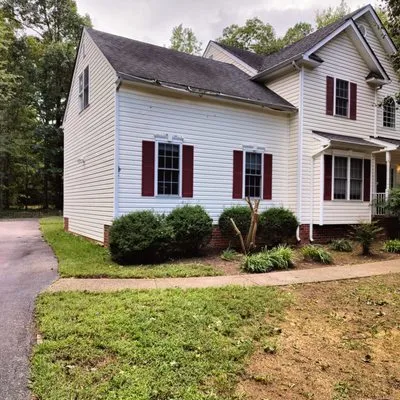
Feather'd Touch is a Richmond-based landscaping company founded by Justin Mines, who brings over 20 years of hands-on experience serving homeowners throughout Richmond and Chesterfield. Specializing i...
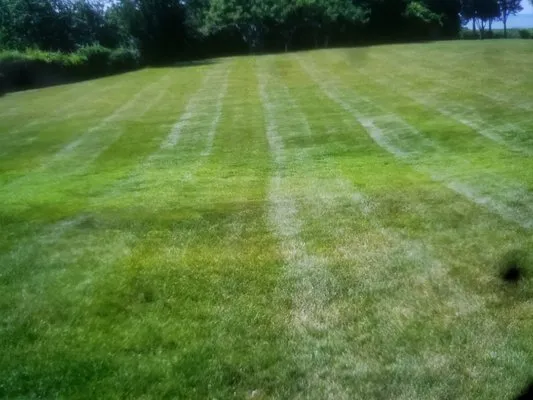
Welcome to RHJ Landscaping, your local Chester, VA partner for beautiful, healthy outdoor spaces. I'm Rohan, the owner, and with over 15 years of hands-on experience, my team and I are dedicated to tr...
Estimated Landscaping Service Costs in Disputanta, VA
Questions and Answers
Our yard stays soggy for days after rain. What's the cause and a lasting solution?
Seasonal saturation is a known hazard here due to a high water table interacting with dense, aged Ultisol subsoil. Installing French drains or dry creek beds can intercept water, but for paved areas, using permeable concrete or crushed granite allows infiltration, meeting Prince George County runoff standards. These materials increase site permeability, directing water into the soil profile rather than letting it pool on the surface.
We want to reduce mowing and gas-powered maintenance. What are our options?
Transitioning perimeter zones to a xeriscape of native plants like Eastern Redbud, Switchgrass, and Butterfly Milkweed significantly reduces weekly mowing and blowing. This biodiversity planting requires no fertilization, minimal water once established, and eliminates the need for gas blowers, positioning your property ahead of evolving noise ordinances. It also enhances pollinator habitat and aligns with 2026 ecological landscape standards.
Our lawn has always been patchy. Is it the age of our property?
Properties built around 1979 in the Disputanta Rural-Residential Core have soils approximately 47 years into development. Ultisol sandy loam, common here, naturally acidifies and compacts over decades without intervention. This reduces percolation and root penetration for turf like Tall Fescue. Core aeration and amendments like composted leaf mold are required to rebuild soil structure and correct the pH towards 6.2 for optimal nutrient availability.
We see invasive vines taking over a fence line. How do we handle them responsibly?
Common invasive alerts for Zone 8a include Japanese Honeysuckle and Kudzu. Manual removal of roots is preferred, but for severe cases, a targeted, systemic herbicide applied in late summer is most effective. Any treatment must comply with Virginia Chesapeake Bay Watershed Nutrient Management Regulations, avoiding blackout dates near waterways and never applying before forecasted rain to prevent herbicide runoff into the watershed.
What permits and credentials should we verify for a major regrading project on our acreage?
Any significant earth moving or grading on a 1.5-acre lot in Prince George County requires a land disturbance permit from Community Development and Code Compliance. The contractor must hold a valid Class A, B, or C license from the Virginia DPOR. This ensures they are bonded, insured, and knowledgeable in state sediment control laws and Chesapeake Bay preservation act requirements, protecting you from liability and environmental violations.
How can we keep our Tall Fescue green without wasting water or violating future restrictions?
Smart Wi-Fi ET-based irrigation controllers are the standard for water conservation in Disputanta. These systems use local evapotranspiration data to apply only the precise amount of water lost to atmosphere and soil, typically matching the 1-1.5 inches per week Tall Fescue requires. This method maintains turf health under current normal water status while building a buffer against potential future restrictions by eliminating runoff and overwatering.
We have a major storm debris issue and need an emergency cleanup. How fast can a crew arrive?
For an emergency HOA compliance or safety cleanup, our dispatch from the Disputanta Post Office area uses US-460 for primary access. During peak traffic periods, travel time to most rural-residential lots is 45 to 60 minutes. Crews are equipped with electric chippers and trailers to begin processing debris immediately upon arrival, adhering to the general 70dB noise ordinance with quieter equipment.
Is crushed granite or wood better for a new patio that's low-maintenance and fire-safe?
Crushed granite or permeable concrete surpass wood for longevity and fire safety in Disputanta's Moderate Wildland-Urban Interface rating. Wood decks require chemical treatments and pose an ember risk, while inorganic materials provide a permanent, non-combustible defensible space. These materials also manage stormwater on-site, a key consideration for permitting and ecological site design on 1.5-acre lots.
