Top Landscaping Services in Dayton, VA, 22821 | Compare & Call
There are 135 landscaping companies server in Dayton VA
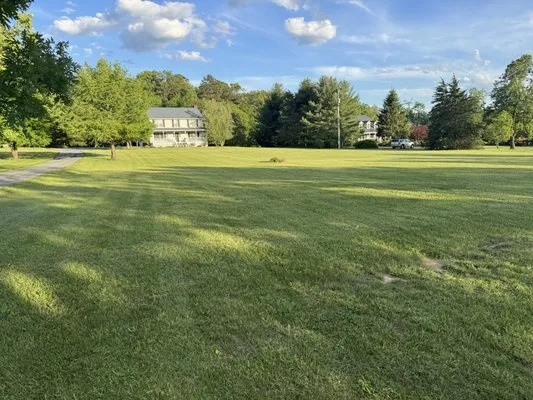
N-Z Mowing is a Harrisonburg-based lawn care service built on a foundation of reliability and customer-first values. Founded and operated by two dedicated young professionals, the company focuses on p...
A&G 1 Stop is your trusted Bridgewater general contractor and landscaping expert, tackling both major construction projects and everyday outdoor challenges. We help local homeowners build beautiful, f...
TC Mowing provides professional lawn care services to homeowners in Bridgewater, VA, directly addressing common local landscaping challenges. We understand that lawns in our area are often affected by...
Marshalls Lawn Service
Marshalls Lawn Service is a Dayton-based provider of comprehensive lawn and landscape solutions for homeowners. We specialize in addressing common local challenges like standing water in yards and une...
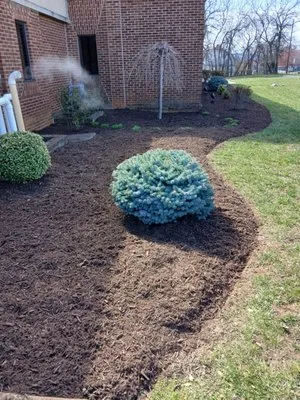
Hernandez Landscaping is a trusted, local provider of professional lawn care services in Harrisonburg, VA. We understand the unique challenges homeowners face in our area, from unsightly dead patches ...
Estimated Landscaping Service Costs in Dayton, VA
FAQs
Do we need a permit to regrade our backyard, and what should we check before hiring?
Yes, significant grading on a 0.35-acre lot typically requires a permit from the Rockingham County Department of Community Development to ensure proper erosion and sediment control. It is critical to hire a contractor licensed by the Virginia DPOR for landscaping or excavation. This licensing verifies they carry the required insurance and understand state and local regulations, protecting you from liability and substandard work.
How can we keep our Tall Fescue healthy during summer without wasting water?
Smart Wi-Fi ET-based irrigation controllers are the precise solution for our voluntary conservation stage. These systems automatically adjust watering schedules based on real-time evapotranspiration data, soil moisture, and weather forecasts. This technology ensures your Tall Fescue receives exactly the water it needs, eliminating overwatering and keeping you well within municipal water use expectations.
What invasive species should we watch for, and how do we control them responsibly?
In this area, be vigilant for invasive plants like Japanese stiltgrass, mile-a-minute vine, and Bradford pear seedlings. Manual removal is best for small infestations. For larger issues, targeted herbicide applications must be carefully timed to avoid the blackout dates specified under the Chesapeake Bay Watershed Nutrient Management Regulations. Always identify the species correctly before any treatment.
If a storm downs a tree limb, how quickly can a crew get here for an emergency cleanup?
For urgent safety issues like downed limbs, our standard peak storm response window is 20-30 minutes from dispatch. Crews based near Cook's Creek Park use VA-42 for direct access to the historic district, prioritizing routes to clear driveways and public rights-of-way first to restore safety and comply with local ordinances.
Our soil feels heavy and dense. Is this typical for Dayton, and how do we improve it?
This is a predictable condition in the Dayton Historic District. Houses built around 1962 mean the soil has matured for over 60 years, leading to significant compaction in its naturally acidic silt loam. This compaction reduces oxygen and water percolation to roots. A core aeration program combined with incorporating composted organic matter is the foundational step to rebuild soil structure and biology.
What are low-maintenance alternatives to our current lawn that support local wildlife?
Transitioning sections of high-input turf to a native plant community is a forward-thinking strategy. Using species like Eastern Redbud, Switchgrass, Milkweed, and Black-eyed Susan creates a resilient, biodiverse landscape that requires less mowing, no fertilization, and minimal watering. This approach also aligns with the industry shift toward quieter, electric maintenance equipment ahead of potential gas-blower restrictions.
We have standing water after heavy rains. What's the best long-term fix for our yard?
Moderate runoff is common here due to the clay-heavy subsoil beneath the silt loam, which impedes drainage. The most effective strategy integrates subsurface solutions like French drains with surface grading. Using permeable hardscape materials, such as the local sandstone or permeable concrete for patios and walkways, can significantly reduce runoff and often helps meet Rockingham County's stormwater management standards.
Is local sandstone a good choice for a new patio compared to wood or pavers?
Local sandstone is an excellent, durable choice that provides superior longevity and permeability compared to wood or non-porous pavers. Its natural aesthetic complements the historic district. For properties in the Wildland-Urban Interface, even with a low Fire Wise rating, using non-combustible materials like stone for patios and walkways contributes to defensible space by creating a fire-resistant zone around the home.
