Top Landscaping Services in Courtland, VA, 23837 | Compare & Call
There are 129 landscaping companies server in Courtland VA
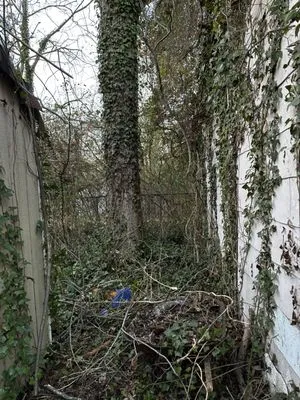
Outback Landscaping in Franklin, VA, is a locally owned and operated business with 16 years of dedicated experience in transforming outdoor spaces. Our passion lies in creating beautiful, functional l...
Lee's Lawn Detailing
Lee's Lawn Detailing LLC is a trusted local landscaping contractor serving Capron, Drewryville, Franklin, Courtland, Newsoms, Boykins, and Branchville. We provide comprehensive lawn and landscape serv...
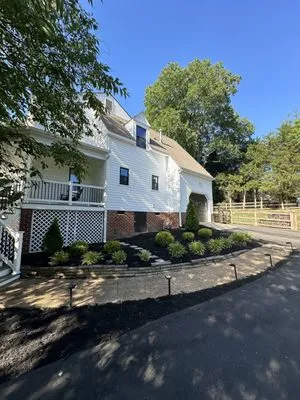
Quantum Landscaping & Lawn Care is a locally owned and operated lawn service provider based in Richmond, VA. We specialize in professional lawn care and maintenance, helping homeowners and businesses ...
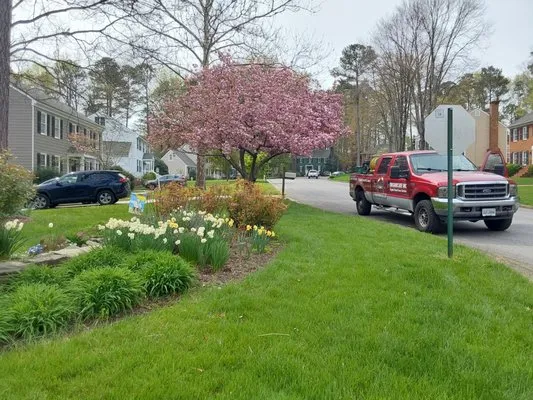
Organicare is a local Ashland lawn care and snow removal service built on a foundation of expertise and environmental stewardship. Founded by a turf management professional, our approach was born from...
KX and T Property Services is a trusted Richmond, VA provider of comprehensive lawn care solutions. We specialize in diagnosing and treating the common local issues of patchy and dead lawn areas that ...
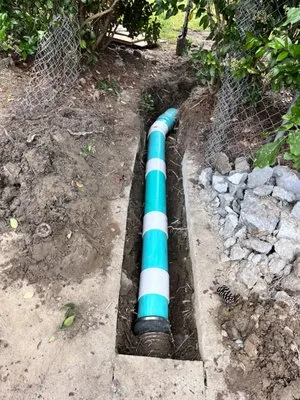
Sunday's Best is Carrsville's trusted partner for vibrant, healthy outdoor spaces. We understand the unique challenges of local lawns, especially issues like moss growth and patchy grass, which often ...
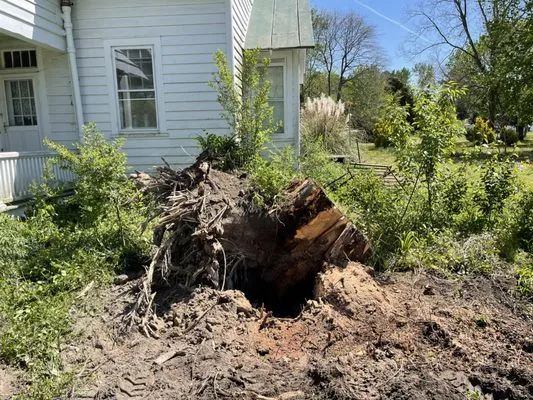
Lebron Farm Works is a Suffolk-based landscaping company dedicated to maintaining and enhancing outdoor spaces throughout the community. Specializing in comprehensive landscape maintenance, lawn care,...
Down To Earth Lawn Care is a Courtland-based landscaping company dedicated to keeping local yards healthy and beautiful. We specialize in addressing common issues like persistent mulch bed weeds and i...

B&B Precision Cuts is a trusted local lawn care provider serving Courtland, VA, and the surrounding Southampton County area. We specialize in targeted solutions for the common local problems of dead l...
Estimated Landscaping Service Costs in Courtland, VA
Question Answers
Our lawn seems thin and struggles in summer, but my neighbor's is fine. What's the difference with our older Courtland soil?
Properties in the Courtland Historic District, with homes built around 1977, have soil approximately 50 years in development. This time frame is insufficient for deep, mature topsoil formation in our native Ultisols. Your sandy loam likely suffers from compaction and low organic matter, reducing its water-holding capacity. Core aeration and incorporating composted organic matter are critical first steps to improve soil structure and biological activity for healthier turf.
I want to reduce mowing, blowing, and watering. What are my options?
Transitioning high-input turf areas to a climate-adaptive landscape is a forward-thinking strategy. Incorporate native plants like Eastern Redbud, Sweetbay Magnolia, Switchgrass, and Black-eyed Susan. Once established, these plants require minimal supplemental water and no weekly mowing. This shift also reduces reliance on gasoline-powered equipment, positioning your property ahead of evolving noise ordinances that restrict early morning gas blower use.
I've spotted what looks like Japanese Stiltgrass. How do I handle invasive weeds here?
Japanese Stiltgrass is a high-priority invasive in our region. Correct identification is crucial before treatment. Manual removal before seed set is effective for small areas. For larger infestations, a targeted post-emergent herbicide application may be necessary. All nutrient and pesticide applications must comply with the Virginia Chesapeake Bay Watershed Nutrient Management Act, which may dictate specific blackout dates or methods to protect water quality.
How can I keep my Tall Fescue green without wasting water or violating any restrictions?
While Courtland has no formal water restrictions, conservation is guided by evapotranspiration (ET) rates. A smart Wi-Fi ET-based irrigation controller is the definitive tool. It automatically adjusts runtime based on local weather data, applying only the precise water needed to replenish what the turfgrass loses. This technology sustains Tall Fescue health while aligning with municipal water conservation guidelines and preventing overwatering into our high water table.
A storm brought down limbs. How quickly can a crew arrive for an emergency cleanup to meet HOA standards?
For an emergency cleanup in the Courtland Historic District, a crew can typically be dispatched within 25-30 minutes during peak response times. The route from the Southampton County Courthouse via US-58 allows for efficient access. We prioritize safety and compliance, ensuring debris is cleared and property is secured according to local ordinance standards without unnecessary delay.
My yard stays soggy for days after rain. What's a lasting solution for this poor drainage?
Persistent sogginess indicates the high water table and poor infiltration common to our sandy loam Ultisols. The solution integrates subsurface and surface strategies. Installing a French drain system can intercept and redirect groundwater. For new hardscapes, specify permeable concrete pavers or an open-graded crushed aggregate base; these materials increase surface permeability and can help projects meet Southampton County Planning and Zoning standards for stormwater management.
We want to regrade part of our yard. What permits or licensed pros do we need?
Regrading a 0.45-acre lot often requires oversight due to its impact on drainage and erosion. You must consult Southampton County Planning and Zoning to determine if a land-disturbing permit is triggered. Furthermore, Virginia law mandates that contracting for this work requires a professional licensed by the Virginia Department of Professional and Occupational Regulation (DPOR). Hiring a DPOR-licensed contractor ensures the work meets state standards for structural and environmental integrity.
Are concrete pavers a better long-term choice than wood for a new patio?
For longevity and low maintenance in Courtland's Zone 8a climate, concrete pavers are superior to wood. They resist rot, insect damage, and will not warp or splinter. From a Fire Wise perspective, pavers provide a non-combustible, defensible space material, which is a prudent consideration for properties in a Moderate Wildfire Risk zone like our Rural-Urban Interface. Their durability offers a better lifecycle cost compared to wood requiring regular sealing or replacement.
