Top Landscaping Services in Colonial Beach, VA, 22443 | Compare & Call
There are 140 landscaping companies server in Colonial Beach VA

My Brothers Landscaping is a trusted, full-service landscaping and tree care company serving Hanover, VA homeowners and businesses. We specialize in comprehensive solutions for common local landscapin...
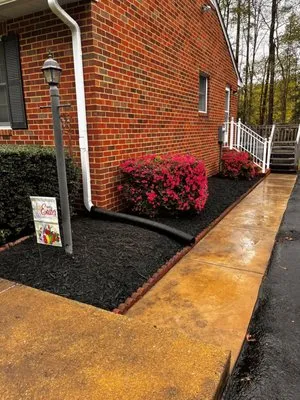
Sunny Landscaping
Sunny Landscaping LLC is a trusted, locally-owned landscaping company serving Henrico, Virginia. We are dedicated to providing reliable, professional services that enhance the beauty and functionality...
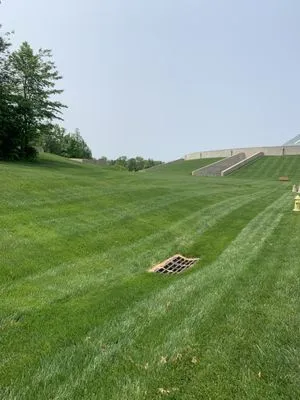
MJW Landscaping is a family-owned lawn care company serving Hague, VA, and surrounding areas since 2012. With over 20 years of specialized experience, we provide comprehensive landscaping, gutter serv...
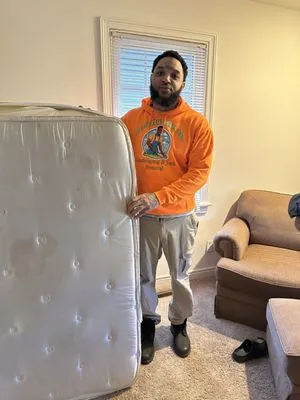
Handy Rays is a trusted local service provider in Richmond, VA, specializing in lawn services, junk removal, and hauling. Many Richmond homes face common landscaping challenges like sprinkler leaks an...

Loyalty Over Money is a Richmond-based landscaping and home cleaning service founded by King, who brings an artistic approach to transforming outdoor spaces. With a focus on building lasting relations...
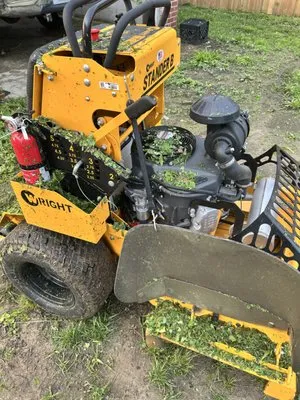
Tarheel Lawn brings a tradition of meticulous craftsmanship and local dedication to lawn care in Petersburg. As a veteran-owned business, our approach is built on discipline, punctuality, and integrit...
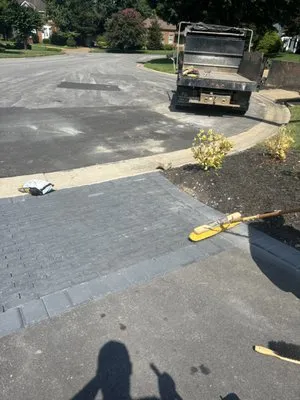
Lovings Hardscape is a trusted masonry and landscaping company serving Chesterfield, VA, specializing in stonemasonry to address common local landscaping challenges. Many Chesterfield homeowners face ...

Miracle Seed provides dependable lawn care and landscaping services for homes in Chester, Virginia. We help local residents maintain healthy, attractive lawns through services like regular mowing, pre...
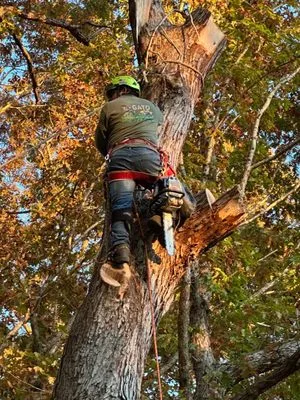
Gato Tree Services
Gato Tree Services is a trusted, locally-owned tree and landscaping company serving Blackstone, VA, and the surrounding area. We specialize in comprehensive tree care, including expert pruning, remova...
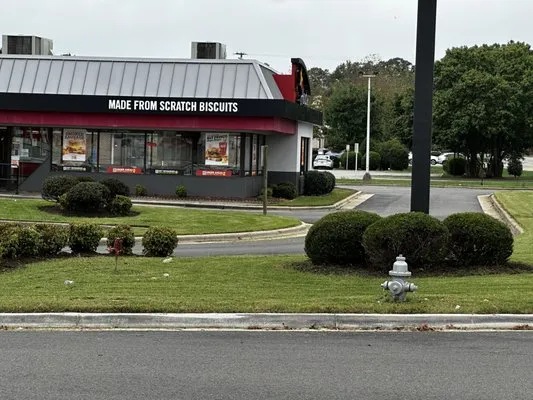
Tech Clean Solutions is a locally owned and operated business in Chester, VA, built on a passion for transforming outdoor spaces and simplifying property upkeep. With over a decade of commercial lands...
Estimated Landscaping Service Costs in Colonial Beach, VA
Frequently Asked Questions
Why does my soil feel so compacted, and what should I do about it?
Properties built around 1985, like many in the Downtown Waterfront District, have soils with a 40-year history. Sassafras Sandy Loam naturally compacts over decades of standard maintenance, reducing percolation and root penetration. Core aeration in early fall introduces oxygen and fractures subsurface compaction. Amending with composted organic matter post-aeration improves soil structure and water retention, directly addressing this common maturity issue.
My yard pools water after heavy rain. What's a long-term fix?
Pooling water is a frequent issue due to the area's high water table and sandy loam's reduced permeability over time. Installing a French drain system tied to a rain garden with native Switchgrass can actively manage runoff. Using permeable concrete pavers for any new patios or walkways increases ground infiltration, a strategy that often meets the Town of Colonial Beach Planning & Zoning Department's updated stormwater management standards for coastal lots.
What permits and credentials are needed to regrade my backyard?
Regrading a 0.15-acre lot, especially in a coastal floodplain, typically requires a land disturbance permit from the Town of Colonial Beach Planning & Zoning Department. The contractor must hold a valid license from the Virginia Department of Professional and Occupational Regulation (DPOR). This ensures they are bonded and trained in erosion and sediment control laws, which is critical for protecting the Chesapeake Bay watershed during any soil-moving operation.
How can I keep my Tall Fescue lawn healthy during summer without wasting water?
Wi-Fi ET-based weather-sensing irrigation controllers are the technical solution for Colonial Beach's voluntary conservation stage. These systems automatically adjust runtime by calculating daily evapotranspiration (ET) rates, applying water only when the turf-type Tall Fescue needs it. This method can reduce potable water use by 20-30% compared to traditional timers, maintaining canopy health while strictly adhering to municipal water stewardship guidelines.
Are permeable pavers a better choice than a wooden deck for my patio?
Permeable concrete pavers offer superior longevity and functionality compared to wood in this coastal environment. They resist rot, salt air, and settling, and their permeability mitigates local drainage hazards. For fire-wise landscaping in this Moderate risk zone, pavers provide a stable, non-combustible material for defensible space, unlike wooden structures which require greater clearance and maintenance to meet Coastal WUI compliance guidelines.
What are lower-maintenance alternatives to my traditional grass lawn?
Transitioning perimeter zones to a xeriscape with native Eastern Redbud, Black-eyed Susan, and Trumpet Honeysuckle reduces mowing, watering, and nutrient inputs. This biodiversity-focused planting is climate-adaptive and aligns with the shift toward electric, quiet-operation equipment mandated by local noise ordinances. Such landscapes build soil organic matter and provide habitat, moving beyond the high-input model of conventional turf.
How quickly can you respond for emergency storm debris cleanup?
For emergency cleanup to meet HOA or insurance compliance after a coastal storm, our dispatch from the Colonial Beach Municipal Pier via VA-205 allows a 20-30 minute arrival to the Downtown Waterfront District during peak response windows. This routing prioritizes access to primary arteries, ensuring crews and electric maintenance equipment can mobilize within the town's quiet hour ordinances to begin immediate triage of downed limbs and inundation debris.
I've spotted invasive vines. How should I handle them?
Common invasive species alerts for Zone 7b include English Ivy and Japanese Honeysuckle. Manual removal of vines from trees and structures is the first step, followed by a targeted, systemic herbicide application to cut stems in late fall. This timing and method minimize collateral damage and strictly comply with the Chesapeake Bay Preservation Act's phosphorus-free requirements, ensuring no runoff of restricted nutrients into the watershed.
