Top Landscaping Services in Charlottesville, VA, 22901 | Compare & Call
There are 205 landscaping companies server in Charlottesville VA
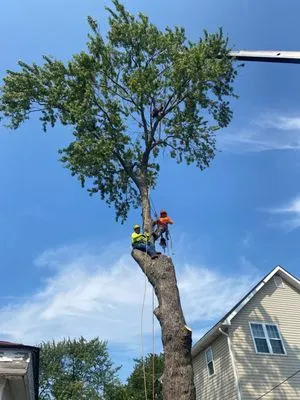
Industry Tree Service is a family-owned and operated tree care specialist proudly serving Culpeper, Virginia, and the surrounding region since 2009. With over 20 years of combined experience and a tea...

Alicia B Martinez provides reliable Troy home services, from deep cleaning to lawn care and junk removal. Understanding common local issues like moss growth and persistent mulch bed weeds, the busines...
C & M Landscaping is a trusted, local landscape design firm serving Keswick, VA. Many homes in our area face common yet frustrating problems like overgrown shrubs that block views and sprinkler leaks ...

Jordan's Lawn Care is a trusted Charlottesville, VA lawn service provider dedicated to keeping local yards healthy and beautiful. We specialize in comprehensive lawn care solutions that directly addre...
Ken's Lawn Service is a trusted, locally-owned lawn care provider serving Charlottesville, VA. We specialize in comprehensive lawn care solutions designed to address the specific challenges homeowners...
JT Outdoor Services & Handyman is a family-owned and operated business serving Culpeper, VA, with reliable tree care, landscaping, and handyman solutions. We specialize in a wide range of services inc...
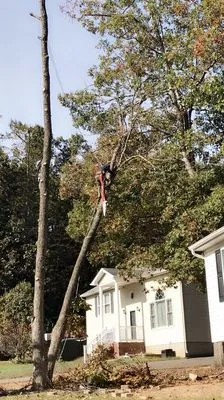
Better Views Tree and Landscaping is a dedicated, locally-owned business serving Culpeper, VA, and the surrounding area. Our focus is on providing dependable tree and landscape services built on clear...
Landscape Creations is a trusted Charlottesville, VA, landscaping company dedicated to solving common local property challenges. Many area homeowners struggle with inefficient sprinkler systems that l...
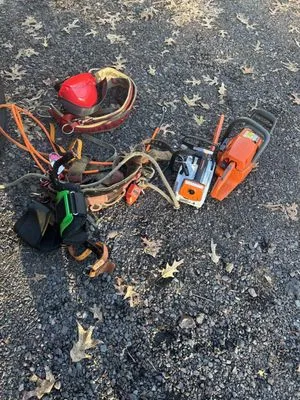
Devon's Landscaping Plus is a full-service landscaping company serving Culpeper, VA, specializing in landscape construction, maintenance, tree services, and gutter cleaning. We help local homeowners a...
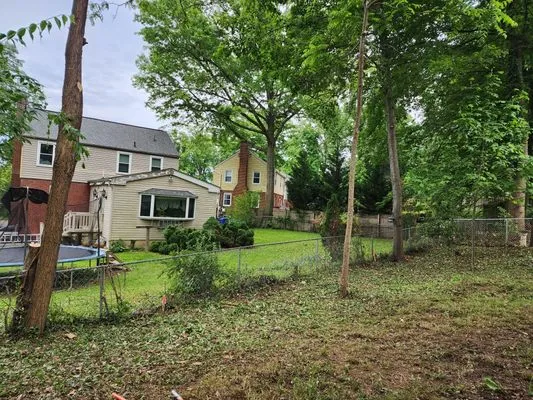
Green Care Tree & Landscaping is a trusted, full-service provider serving Culpeper, Virginia, specializing in landscaping, tree care, and roofing-related services. We help homeowners and businesses ma...
Estimated Landscaping Service Costs in Charlottesville, VA
Question Answers
How should I deal with invasive vines without harming my garden?
Invasive species like English Ivy or Wintercreeper are a persistent alert in Zone 7b. Manual removal is most effective for light infestations. For severe cases, a targeted, systemic herbicide applied in late fall minimizes drift and impact on desirable plants. Crucially, any treatment must comply with Virginia's Chesapeake Bay Watershed Regulations, avoiding application before forecasted rain to prevent nutrient runoff into waterways.
How quickly can a crew respond for emergency storm cleanup to meet an HOA deadline?
For urgent HOA compliance or post-storm debris removal, our primary dispatch from the Downtown Mall area uses I-64 for efficient access across the city. Accounting for peak traffic variables, we guarantee a crew arrival within the 20-30 minute window for Belmont. All post-2025 maintenance vehicles are electric, allowing us to operate within the city's noise ordinance hours starting at 7 AM without disturbance.
My yard floods after heavy rain. What's a lasting solution?
High runoff in Belmont is typical due to our region's clay-heavy, compacted Ultisols, which have very low permeability. Installing a French drain system to redirect water is often necessary. For any new patios or walkways, specify permeable clay pavers; they allow stormwater to infiltrate on-site, which aligns with Charlottesville Neighborhood Development Services' updated standards for managing runoff and reducing erosion.
Are permeable clay pavers a better choice than wood for a new patio?
For longevity and low maintenance in Charlottesville's climate, permeable clay pavers are superior to wood. They will not rot, warp, or attract termites, and their inherent fire resistance contributes to a defensible space rating in this moderate Wildland-Urban Interface zone. Their installation also addresses core drainage issues, whereas wood decking can trap moisture and accelerate decay against the house foundation.
What are the benefits of replacing some lawn with native plants?
Transitioning high-maintenance turf to a palette of Virginia natives like Eastern Redbud and Little Bluestem significantly reduces water, fertilizer, and weekly mowing demands. This established ecology supports 2026 biodiversity targets for pollinators and birds. Furthermore, it future-proofs your property against evolving noise ordinances that restrict gas-powered blowers and mowers, as native beds require minimal seasonal trimming.
How can I keep my Tall Fescue lawn green during summer without wasting water?
Under Charlottesville's voluntary conservation status, smart irrigation is non-negotiable. A Wi-Fi weather-based controller uses real-time evapotranspiration (ET) data to apply only the water your Tall Fescue needs, bypassing scheduled runs before rain. This technology, combined with deep, infrequent watering cycles in the early morning, promotes drought-tolerant roots and keeps usage well within municipal guidelines, preserving soil structure.
What permits and credentials are needed for regrading my backyard?
Any significant grading or earthmoving on a 0.19-acre lot likely requires a land-disturbing permit from Charlottesville Neighborhood Development Services to control sediment. Virginia law mandates that the contractor performing this work holds a valid license from the DPOR (Department of Professional and Occupational Regulation). This ensures they are bonded, insured, and trained in current erosion and sediment control practices, which is critical for protecting the Chesapeake Bay watershed.
Why does the soil in my Belmont yard seem so compacted and poor?
Most Charlottesville homes built in the late 1960s, like the average 1969 construction here, were graded with the native subsoil, which is Acidic Ultisol. Over 57 years, foot traffic and machinery have compacted this heavy clay, drastically reducing percolation and root penetration. Core aeration in early fall is critical to fracture this pan, followed by top-dressing with compost to build organic matter and slowly adjust the pH toward a more neutral range for plant health.
