Top Landscaping Services in Bristol, VA, 24201 | Compare & Call

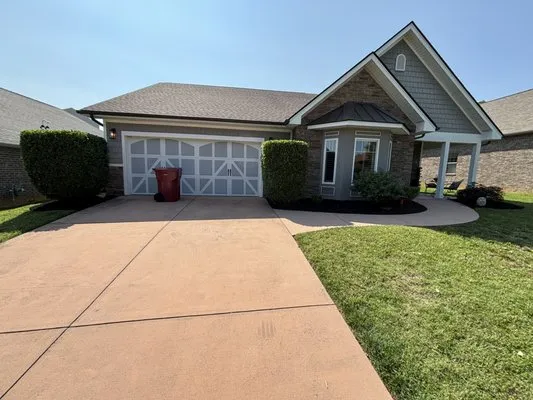
Do It All Exterior Maintenance
Do It All Exterior Maintenance is a Bristol-based company providing comprehensive lawn care and landscaping services for both residential and commercial properties. Our team specializes in professiona...
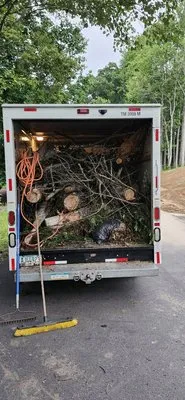
Tri-Cities Property Solutions is a Bristol, VA-based company providing comprehensive property services for residential and small business clients throughout the Tri-Cities area. We specialize in lands...
Planters & Designers
Planters & Designers has been a trusted part of the Bristol, VA community since 1981, serving both residential and commercial clients. We combine a comprehensive retail lawn equipment center with a fu...
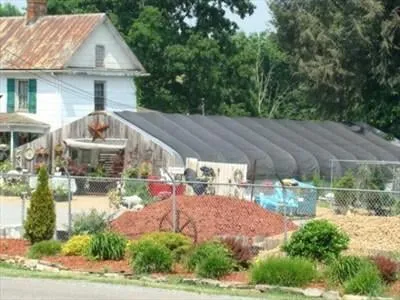
Southern Outdoors in Bristol, VA, is a full-service landscaping and garden center dedicated to transforming local outdoor spaces. We specialize in comprehensive landscape design and greenscape design,...
Bristol Lawn Pros is a family-owned lawn and landscape maintenance company serving Bristol, VA, and the Tri-Cities area. Founded by lifelong residents Drew and Janie, the business is built on a commit...

KW Lawncare is your trusted Bristol, VA partner for transforming and maintaining your outdoor space. We understand the common local frustrations of uneven sprinkler coverage and unsightly lawn damage ...

Drapers Land and Home Services is a trusted, locally-owned landscaping company serving Bristol and the surrounding area. We specialize in comprehensive property care, from routine lawn mowing to compl...

Majestic Lawn Care is a family-owned and operated lawn service business serving Bristol, VA, and surrounding areas since 2013. We specialize in providing reliable, professional lawn care for both resi...

Chris, the owner of Lawn Wizard in Bristol, VA, launched the business in 2010, bringing over 20 years of experience from running a successful HVAC company. His passion for the outdoors and working wit...
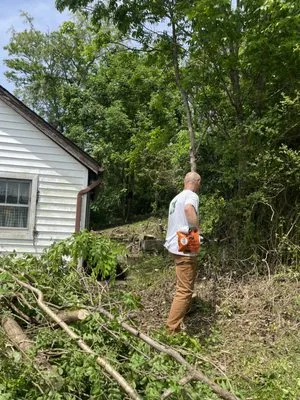
Tate's Tree Service began with owner Jacob's passion for arboriculture. In 2021, he started the business part-time, balancing his enthusiasm for tree work with a full-time job. He dedicated himself to...
Common Questions
We have an invasive vine taking over a bed. How do we handle it safely?
Common invasive alerts for Zone 7a include Japanese Honeysuckle and Wintercreeper. Correct identification is critical before treatment. Manual removal is preferred for small infestations. For chemical control, a targeted, systemic herbicide applied in late summer or fall is most effective. Any treatment must comply with Virginia's Chesapeake Bay Watershed Phosphorus Regulations, avoiding application before forecasted rain to prevent runoff. We follow a strict calendar to avoid local fertilizer ordinance blackout dates.
Our yard pools water after every rain. What's a long-term fix?
Moderate runoff in Bristol is often caused by the low permeability of our clay-heavy soils. A primary solution involves integrating permeable hardscapes, like crushed limestone or permeable concrete pavers, into patios or walkways to increase on-site infiltration. For the Planning & Zoning Department's runoff standards, these materials are superior to traditional concrete. Combining this with strategic regrading and the installation of a French drain or dry creek bed can effectively manage surface flow.
How do we keep a Tall Fescue lawn green during summer without wasting water?
In Bristol's normal water restriction status, efficient irrigation is non-negotiable. A Wi-Fi ET-based system schedules watering using real-time evapotranspiration data, applying water only when the turf needs it. For Kentucky-31 or Turf-Type Tall Fescue, this typically means infrequent, deep watering cycles that encourage drought-resistant root growth. This method can reduce potable water use by 20-30% while maintaining canopy health, aligning with voluntary conservation goals.
We want to reduce mowing and gas equipment noise. What are our options?
Transitioning high-maintenance turf to a climate-adaptive landscape is a forward-thinking solution. Replacing turf areas with native plantings like Eastern Redbud, Switchgrass, and Butterfly Milkweed drastically reduces mowing frequency and eliminates gas-powered blower use, pre-empting tighter noise ordinance enforcement. These deep-rooted natives also enhance soil structure, support 2026 biodiversity targets, and require no irrigation once established, creating a resilient, quiet landscape.
We want to regrade our 0.25-acre lot. What permits and contractor checks are needed?
Significant grading that alters water flow or involves retaining walls over a certain height requires a permit from the Bristol Virginia Planning & Zoning Department. For this work, you must hire a contractor licensed by the Virginia DPOR. On a quarter-acre lot, even minor changes can impact neighboring parcels, so licensed professionals carry required insurance and understand state sediment control laws. Always verify DPOR license status and request a certificate of insurance before work begins.
Is a wooden deck or a paver patio better for our hillside property?
For longevity and low maintenance on Bristol's acidic soils, permeable concrete pavers or crushed limestone patios are superior to wood. These materials do not rot, warp, or require chemical treatments. From a fire-wise perspective, a non-combustible hardscape within the first 30 feet of the home (WUI Zone 2 compliance) creates critical defensible space. A properly installed paver system also manages hillside erosion and runoff more effectively than a fixed wooden structure.
We need an emergency cleanup after a storm to meet HOA rules. How fast can you get here?
For urgent HOA compliance or post-storm debris removal, our dispatch from Cumberland Square Park uses I-81 for direct access to Highland Park. Our electric fleet operates within standard noise restrictions, allowing for early morning starts. We can typically mobilize a crew for arrival and initial assessment within the 20-30 minute peak response window, prioritizing safety and immediate hazard mitigation.
Our Highland Park lawn has always struggled. Why is the soil here so tough?
Properties in this neighborhood, with homes averaging from 1967, have soils with 59 years of maturation. The native acidic silty clay loam has experienced decades of compaction from foot traffic and maintenance equipment, reducing pore space and root penetration. This dense profile limits percolation and oxygen availability. Corrective action requires core aeration in spring or fall, followed by amending with compost to build stable soil aggregates and improve permeability.
