Top Landscaping Services in Brightwood, VA, 22715 | Compare & Call
There are 165 landscaping companies server in Brightwood VA
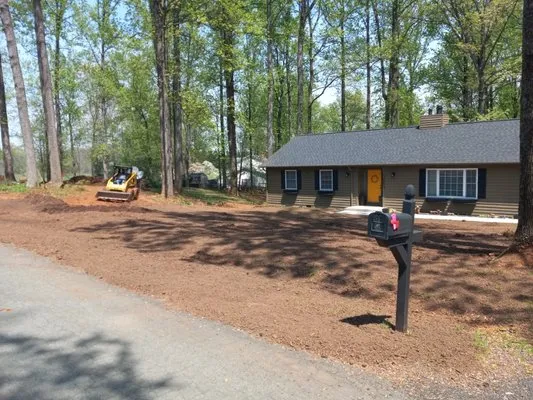
Rudi's Lawn and Landscape is a locally owned and operated business in Sperryville, VA, started by Rudi himself at the beginning of the 2022 season. As a family man and experienced professional, Rudi c...
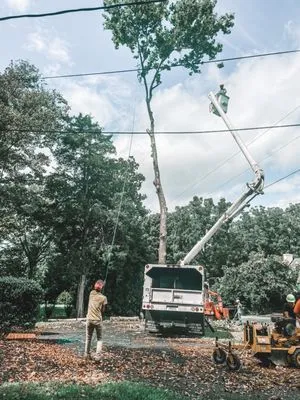
Johnson's Tree and Outdoor Services is a Front Royal, VA-based company dedicated to enhancing residential properties through comprehensive tree care and landscaping solutions. We help homeowners incre...
Since 2000, A&J's Tree & Landscaping Services has been a trusted, locally-owned business in Amissville, founded with a simple goal: to build a better future for a family and help others enjoy their ou...
Bache's Lawn & Garden is a Culpeper, VA-based landscaping company dedicated to solving the common local challenges of soil compaction and poor lawn grading. Serving the community with expert knowledge...
Seale's Handyman is your trusted local partner in Locust Grove for comprehensive home and lawn care. We specialize in a wide range of services, from handyman assembly and drywall repair to expert elec...

D&J Lawn Services is a trusted, locally-owned lawn care provider serving Reva, VA and the surrounding areas. We specialize in comprehensive lawn care solutions, including regular mowing, fertilization...
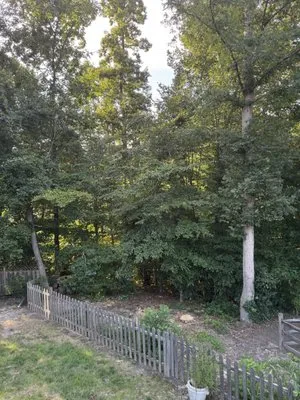
J & A Outdoor Services is a Pratts, VA-based company specializing in comprehensive tree services and landscaping solutions. We help homeowners address common local landscaping challenges like lawn ins...

Sustainable Roots Co. LLC is a Fairfax-based landscaping and design firm dedicated to creating beautiful, functional outdoor spaces that work in harmony with the local Northern Virginia environment. O...
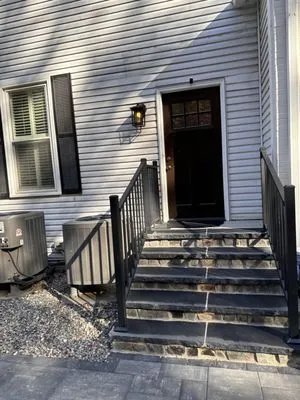
DP Housescaping is a trusted Richmond, VA contractor specializing in both lawn care and expert masonry. We understand the common local challenges homeowners face, such as poor yard drainage and overgr...
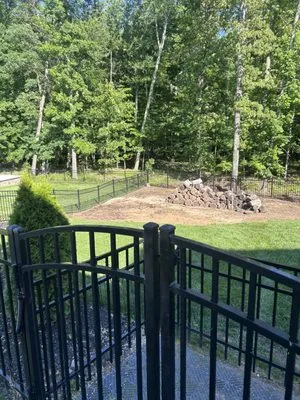
Chris Pitkin's Tree and Landscape is a Front Royal, VA-based company with over three decades of hands-on experience in the local community. Specializing in both tree services and comprehensive landsca...
Estimated Landscaping Service Costs in Brightwood, VA
Frequently Asked Questions
Why does the soil in my Highland Park yard feel compacted and seem to drain poorly?
Homes built in the 1960s, common in this area, often have soil that has been repeatedly compacted by decades of traditional lawn maintenance. The native acidic sandy loam has likely lost its organic structure, reducing permeability. For a soil with a 66-year development history, core aeration and incorporating composted organic matter are necessary to restore porosity and microbial activity, moving beyond simple fertilization.
I've spotted what looks like Japanese Stiltgrass. How do I handle it safely?
Japanese Stiltgrass is a pervasive invasive in Zone 7b that outcompetes native plants. For safe control, manual removal before seeding in late summer is effective. If a post-emergent herbicide is necessary, select a phosphorus-free product to comply with local ordinance restrictions, and apply strictly outside of the prohibited March-November blackout window to protect local waterways from nutrient pollution.
I want to reduce mowing and create a more natural habitat. What should I plant?
Transitioning high-maintenance turf to a landscape of Virginia natives like Eastern Redbud, Switchgrass, and Purple Coneflower significantly reduces water, fertilizer, and weekly mowing demands. This established plant community supports local pollinators and builds soil health. It also future-proofs your property against evolving noise ordinances, as these plantings require minimal fall cleanup, eliminating the need for high-decibel gas leaf blowers.
Do I need a permit to regrade my backyard for better drainage?
Regrading a 0.25-acre lot often triggers permit review from the Brightwood Department of Planning & Community Development due to impacts on stormwater flow. Furthermore, this work requires a contractor licensed by the Virginia DPOR for landscaping or excavation. This licensing ensures the professional understands state-mandated practices for erosion control and proper slope engineering, protecting your property and downstream neighbors from improper water management.
My yard in a low-lying part of Highland Park collects water and silt. What's the solution?
High runoff and siltation are common in areas with acidic sandy loam, where the subsoil can become impermeable. A graded French drain system can intercept and redirect this water. For any new patios or walkways, specifying permeable concrete pavers increases ground absorption and can help a project meet the Brightwood Department of Planning & Community Development's updated stormwater runoff standards for residential properties.
Are permeable pavers a better choice than a wooden deck for a new patio?
For longevity and fire safety in Brightwood's Moderate (WUI Zone 2) risk area, permeable concrete pavers are superior. They provide a permanent, non-combustible surface that contributes to defensible space requirements. Unlike wood, they require no sealing or replacement from rot, and their permeability manages runoff on-site. This results in lower lifetime maintenance and aligns with modern landscape infrastructure priorities.
If my HOA issues a compliance notice for overgrown landscaping, how quickly can you respond?
For emergency HOA compliance cleanups, our dispatch from Brightwood Town Square allows for a direct route to Highland Park via I-95. Accounting for peak traffic variables, our electric fleet can typically mobilize and arrive on-site within the 25-35 minute window, enabling immediate work to rectify the violation without the noise disturbance of gas equipment.
How can I keep my Tall Fescue lawn healthy during Brightwood's voluntary water conservation stage?
Under Stage 1 voluntary conservation, maintaining Kentucky-31 Tall Fescue requires precision. A Wi-Fi ET-based irrigation controller uses local weather data to apply water only when evapotranspiration rates demand it, eliminating wasteful schedules. This technology often reduces water use by 20-30% while keeping the grass root zone optimally hydrated, aligning with municipal water limits and promoting deeper root growth for drought resilience.
