Top Landscaping Services in Blacksburg, VA, 24060 | Compare & Call

Lawrence Lawn is a trusted lawn care provider serving Blacksburg, VA, dedicated to creating and maintaining vibrant, healthy lawns for local homeowners. We specialize in diagnosing and resolving the c...
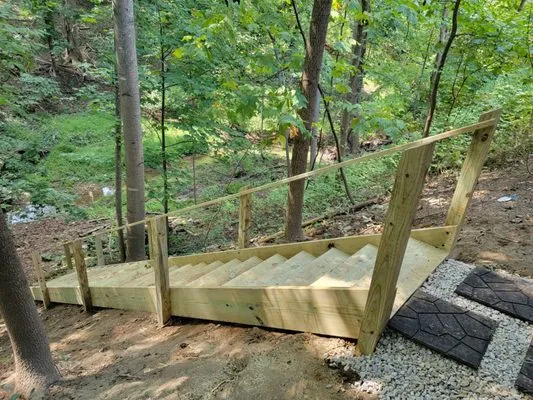
Back To Nature Landscaping & Construction
Back To Nature Landscaping & Construction is a trusted local business serving Blacksburg, VA, and surrounding areas with comprehensive outdoor solutions. We specialize in transforming residential and ...
Blacksburg Lawn Care is a locally owned and operated, fully licensed and insured lawn service dedicated to maintaining the beauty and health of yards throughout Blacksburg, Christiansburg, and Montgom...
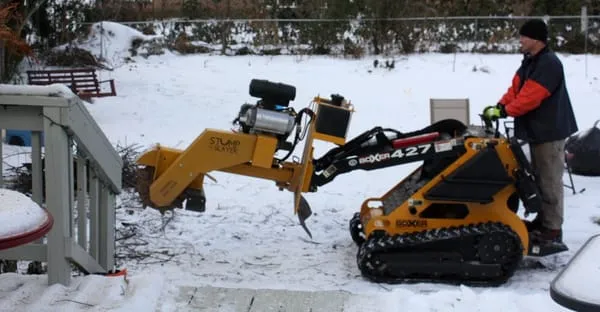
Highland Tree Care, founded by Blacksburg local Adam Salzberg in 2006, brings a deep-rooted, scientific approach to tree and landscape services. As an ISA Certified Arborist since 2005 with over 15 ye...

Potts Creek Landscape Co & Nursery
Potts Creek Landscape Co & Nursery is a trusted, locally-owned Blacksburg resource for comprehensive garden and landscape care. We specialize in both creating beautiful outdoor spaces and providing th...
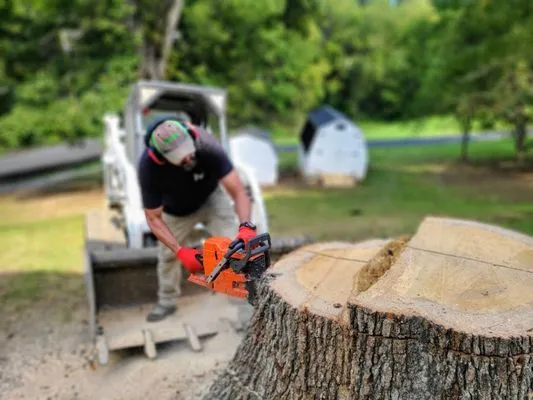
Johnston Tree Service is a trusted, locally-owned tree and shrub care provider serving Blacksburg, VA. We specialize in comprehensive landscape solutions, from routine tree pruning and shrub trimming ...

LeafyKleen is a locally owned and operated lawn service in Blacksburg, VA, founded by professionals who understand the unique needs of the New River Valley. We specialize in efficient, eco-friendly le...
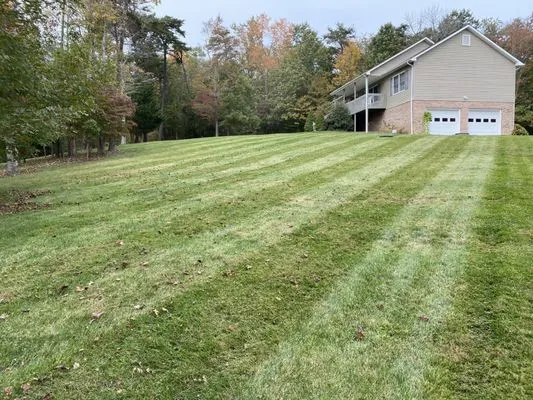
NRV Grass Masters is a trusted lawn care service provider based in Blacksburg, VA, dedicated to helping local homeowners achieve and maintain healthy, vibrant lawns. We specialize in comprehensive law...

Happy Grass is a full-service landscaping, snow removal, and tree care company serving Blacksburg, VA homeowners. We specialize in comprehensive outdoor solutions including earthmoving, driveway const...

Wemow
Wemow, Inc. has been a trusted, family-owned landscape company in Blacksburg and the New River Valley for over three decades. Our dedicated team specializes in turning your outdoor visions into realit...
Question Answers
Is a bluestone patio a better choice than a wooden deck for longevity and fire safety?
For long-term value and safety in our climate, local bluestone or permeable concrete is superior. Wood requires constant sealing and is susceptible to rot. Bluestone is durable, requires almost no maintenance, and does not provide fuel for fire. Given Blacksburg's Moderate Fire Wise rating and proximity to wildland-urban interface zones, creating defensible space is prudent. A bluestone patio provides a non-combustible zone adjacent to the home, enhancing safety while offering superior permeability compared to solid concrete, which helps manage the site's runoff.
I've spotted what looks like Japanese stiltgrass and Tree-of-Heaven. How should I handle these invasives?
Correct identification is key, as both are aggressive invaders in our area. Management must be precise and timed to avoid the blackout periods for fertilizer and pesticide application under the Virginia Nutrient Management Program. For stiltgrass, pre-emergent herbicide in early spring before seed set is effective. For Tree-of-Heaven, a targeted cut-stump herbicide treatment in late summer is required. We use selective, EPA-registered treatments and always follow VDEQ standards to protect soil and water health while eradicating the pest.
My yard feels heavy and drains poorly, even after rain stops. Is this normal for a house built around 1983?
Yes, this is a common soil maturity issue for Hethwood properties. Lots developed in the early 1980s typically have compacted, acidic Ultisols—a silty clay loam with low permeability. After 43 years, the original topsoil layer has degraded. The heavy clay subsoil restricts root growth and water infiltration. Annual core aeration and adding 1-2 inches of composted organic matter are critical to rebuild soil structure and moderate the natural pH of 5.5-6.2 for healthier turf and planting beds.
Why does the contractor need a specific license just to regrade my 0.25-acre lot?
In Virginia, any grading or land-disturbing activity over 2,500 square feet requires a licensed contractor certified under the Virginia Erosion and Sediment Control Program. A 0.25-acre lot (approx. 10,900 sq ft) almost certainly exceeds this threshold. The contractor must hold the proper classification from the Virginia DPOR and may need a permit from the Blacksburg Planning and Building Department. This ensures the work follows state-mandated plans to prevent sediment runoff into waterways, protecting community infrastructure and complying with the Chesapeake Bay Act.
My yard floods near the foundation after heavy rain. What's the best long-term solution?
This is a direct result of the high runoff potential from Blacksburg's compacted, acidic clay soils. The permanent solution involves improving permeability. We regrade to direct water away from structures and install subsurface French drains. For any new patios or walkways, we specify local bluestone set on a gravel base or permeable concrete pavers. These materials meet Blacksburg Planning and Building Department standards for stormwater management by allowing water to infiltrate on-site rather than contributing to downstream flooding.
I have a major limb down after a storm and need it cleared for safety. What's your emergency response time?
Our storm response protocol prioritizes safety hazards. For a location like Hethwood, we dispatch a crew from our staging area near the Virginia Tech Drillfield. Using US-460, we can typically arrive within the 20-30 minute window during peak disruption events. We coordinate with municipal services to clear access routes and bring electric-powered saws and chippers that comply with the local noise ordinance, allowing us to work within the 7:00 AM to 9:00 PM window without disruption.
How can I keep my Tall Fescue lawn green without violating town water conservation guidelines?
Effective irrigation in Blacksburg requires aligning with the 'Normal' monitoring-level conservation status. We install smart Wi-Fi ET-based controllers that automatically adjust schedules using local evapotranspiration data. This system delivers precise water volumes only when the turf needs it, preventing runoff on our heavy clay soils. For Tall Fescue, this typically means deep, infrequent watering cycles early in the morning, which can reduce total water use by 20-30% while maintaining turf health within municipal limits.
I'm tired of weekly mowing and gas blower noise. Are there lower-maintenance, quieter options?
Absolutely. Transitioning to a landscape dominated by regionally native plants like Eastern Redbud, Flowering Dogwood, Purple Coneflower, and Switchgrass drastically reduces maintenance. These plants are adapted to our zone 7a climate and acidic soils, requiring no supplemental fertilizer and minimal water once established. This approach eliminates weekly mowing and the need for loud gas-powered blowers, keeping you ahead of evolving noise ordinances. The resulting habitat also supports local biodiversity, aligning with 2026 ecological landscape standards.
