Top Landscaping Services in Belmont, VA, 20147 | Compare & Call
There are 138 landscaping companies server in Belmont VA
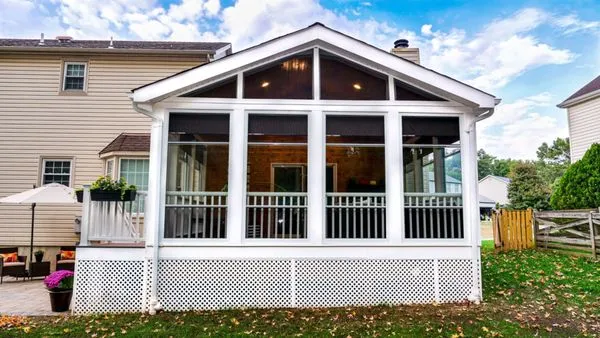
Hemax Construction Services & Landscaping
Hemax Construction Services & Landscaping LLC has been a trusted partner for Sterling and Northern Virginia homeowners for over 15 years. We specialize in transforming outdoor spaces through comprehen...
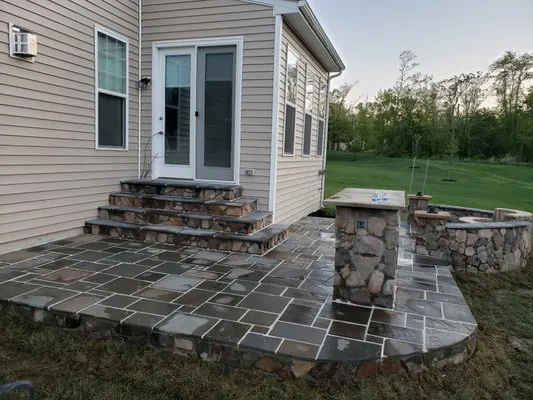
For over two decades, Tino’s Landscaping has been rooted in a genuine passion for the outdoors, serving Purcellville and Northern Virginia with reliable, experienced care. What began as a personal lov...
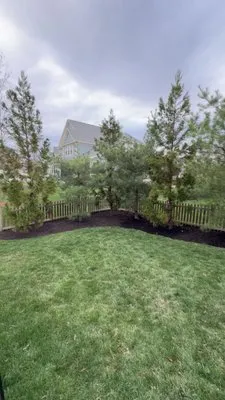
JM Scapes is a full-service landscaping company serving Aldie, VA, and the surrounding Loudoun County area. We specialize in both the creative design and durable construction of outdoor living spaces,...
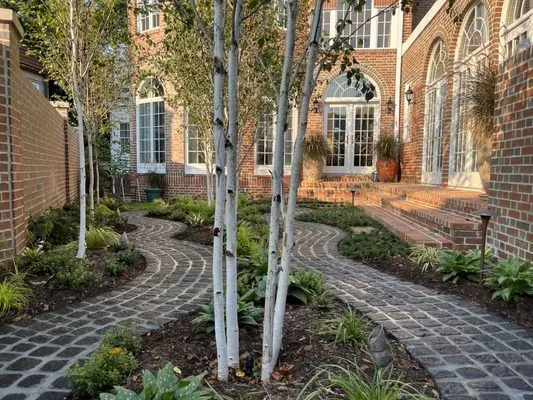
Sisson Landscapes
Founded by Great Falls native Denny Sisson, Sisson Landscapes is a family-operated, full-service design/build firm with deep roots in the community. For over 30 years, our award-winning team—comprisin...
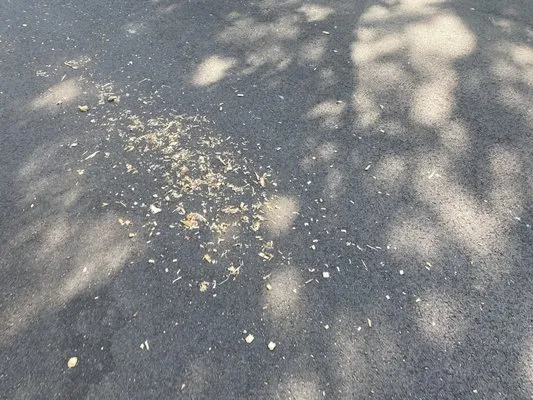
Founded in Ashburn in 2007, RGS Services began as a passion project by two local high schoolers with a simple goal: to help neighbors with their outdoor tasks professionally and on time. What started ...
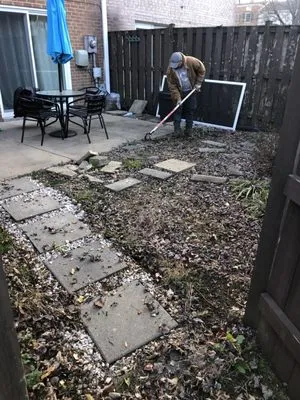
Salamanca’s Landscaping is a locally owned and operated Leesburg business dedicated to enhancing outdoor spaces across Loudoun County. We offer a comprehensive range of services from routine lawn care...
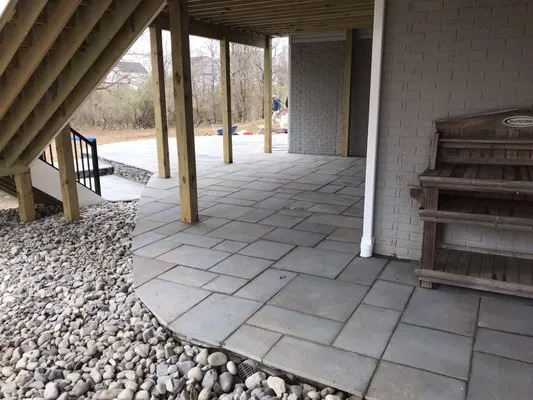
Jonathan Zans is a trusted landscaping and masonry contractor serving Leesburg, VA and surrounding Loudoun County with nearly 30 years of local experience. As a professional team with over two decades...

Solana Landscapes, locally owned and operated in Leesburg, VA by Mark Enge, is a residential landscaping company built on attentive service and integrity. Founded in 2016 after years of industry exper...

JM Lawn Care Services
For over 20 years, JM Lawn Care Services has been the trusted choice for homeowners in Leesburg, VA, providing dependable lawn and tree care rooted in local knowledge. We understand that Leesburg prop...
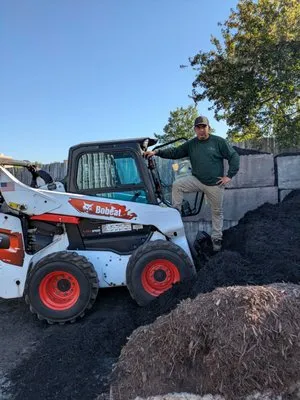
Since 2003, A Cut Above has been Sterling's trusted residential lawn and landscaping service, specializing in comprehensive care for properties of all sizes—from single-family homes to HOA communities...
Estimated Landscaping Service Costs in Belmont, VA
Question Answers
What invasive species should I watch for, and how do I remove them safely?
Monitor for invasive threats like Japanese stiltgrass, English ivy, and tree-of-heaven. Manual removal is preferred for small infestations. For chemical treatment, use targeted, non-phosphorus herbicides applied by a licensed professional to comply with the local fertilizer ordinance. Always confirm the product label is approved for use in Virginia and apply during optimal growth periods for the invasive, not during blackout dates for desirable species.
My yard has persistent puddling and runoff. What's the best long-term solution?
High runoff in Belmont is typical due to clay-heavy, compacted Ultisols with low permeability. The primary solution is integrating permeable clay pavers for hardscapes, which meet Loudoun County runoff standards by allowing infiltration. For planted areas, install French drains or dry creek beds and amend soil with compost to increase absorption. This approach manages site water without contributing to downstream erosion.
Are permeable clay pavers a better choice than wood for a new patio?
For longevity and ecological function in Zone 7b, permeable clay pavers outperform wood. They are frost-resistant, do not rot, and provide superior permeability to manage Belmont's runoff. For properties in the Low to Moderate Fire Wise rating zone, pavers also create a non-combustible defensible space. Their durability and minimal maintenance offer a better lifetime value compared to composite or natural wood decks.
How can I keep my Tall Fescue healthy during voluntary water conservation stages?
Stage 1 restrictions in Belmont prioritize efficient water use. Wi-Fi ET-based weather-sensing controllers are essential; they adjust irrigation schedules daily based on local evapotranspiration data, preventing overwatering. This technology, combined with deep, infrequent watering cycles, maintains turf health while conserving water. Properly calibrated systems can reduce potable water use by 20-30% compared to traditional timers.
What permits and licenses are needed for regrading my yard or building a retaining wall?
Any significant grading or retaining wall construction on a 0.22-acre Belmont lot requires a permit from the Loudoun County Department of Building and Development to ensure compliance with erosion and sediment control laws. The contractor must hold appropriate licensing through the Virginia DPOR. This protects you from liability and ensures the work meets structural and environmental standards for this soil type and slope.
How fast can you respond for an emergency tree cleanup or an HOA compliance mow?
For urgent service, our dispatch from the Belmont Community Center uses VA-7 for primary access. We maintain a 25-35 minute peak response window to Belmont Station for storm damage or compliance deadlines. Our fleet includes electric equipment capable of quiet operation within the 9 PM to 7 AM noise ordinance, allowing for extended work hours when necessary without disturbance.
What are lower-maintenance alternatives to my high-input lawn?
Transitioning to a landscape anchored by Virginia natives like Eastern Redbud, Switchgrass, Purple Coneflower, and Milkweed reduces water, fertilizer, and maintenance needs. These plants support local biodiversity and require no gas-powered blowers for cleanup, aligning with voluntary reduction initiatives. A designed meadow or shrub border creates year-round interest and builds ecological resilience ahead of potential regulatory changes.
Why does the soil in Belmont Station seem so dense and poor for planting?
Belmont Station homes, averaging 22 years old, were built on native acidic Ultisol. Construction compaction and minimal topsoil addition create a dense, clay-heavy layer that impedes root growth and water percolation. This soil maturity stage requires core aeration and incorporation of organic compost to improve structure and biological activity. Correcting this foundational issue is critical before any significant planting or turf renovation.
