Top Landscaping Services in Bellwood, VA, 23237 | Compare & Call
There are 204 landscaping companies server in Bellwood VA
Md Maintenance is a trusted lawn care provider serving Richmond, VA, specializing in comprehensive lawn services to address common local landscaping challenges. Many Richmond homeowners struggle with ...
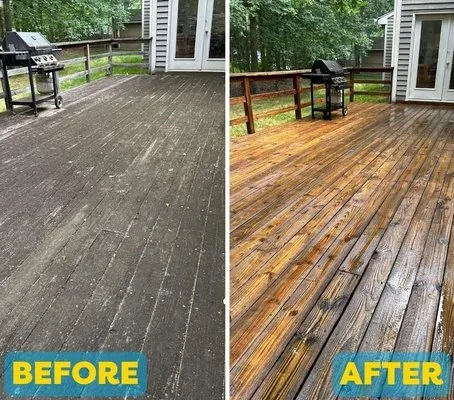
Mike's Lawn & Power Washing provides essential lawn care and cleaning services for homeowners throughout Richmond, VA. We understand that local properties frequently face challenges like storm debris ...
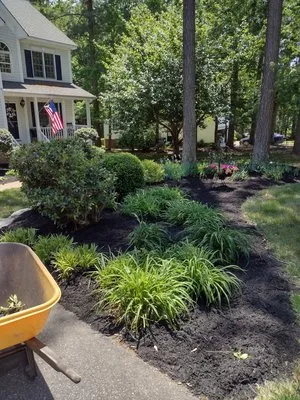
YardBirds Property Maintenance
YardBirds Property Maintenance is a trusted Richmond, VA-based company providing comprehensive property care services including lawn care, snow removal, and pressure washing. We specialize in addressi...
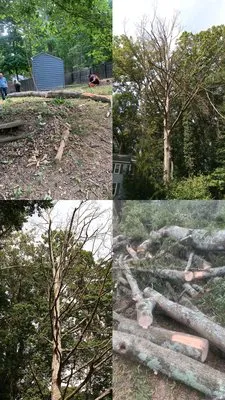
Beyond Tree Services is a full-service tree, firewood, and landscaping company serving Richmond, VA homeowners. We understand the specific challenges of Richmond yards, including issues like moss grow...
Rudd Landscaping serves homeowners and motorcycle enthusiasts throughout the Richmond, VA area, providing a unique combination of essential outdoor services. We understand the common local challenges ...
Varina Sod & Landscaping is a trusted Richmond, VA-based landscaping company dedicated to enhancing outdoor spaces with practical, lasting solutions. We specialize in addressing common local challenge...
Natural Art Landscaping is a Richmond, VA-based company dedicated to creating beautiful, functional, and healthy outdoor spaces. We understand the specific challenges local homeowners face, such as dy...
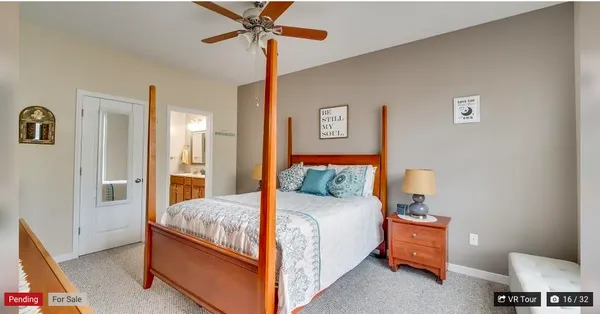
Chris in North Chesterfield, VA is a family-owned business dedicated to transforming homes and properties across our community. With over 7 years of hands-on experience, we provide a comprehensive ran...

Integrity Lawn Maintenance is a trusted lawn care provider serving Richmond, VA, dedicated to maintaining healthy, vibrant lawns for local homeowners. We specialize in comprehensive lawn care services...
Wrenn's Lawn & Landscaping is a trusted local lawn care provider serving Richmond, Virginia. We specialize in comprehensive lawn maintenance and landscaping solutions designed to address common Richmo...
Estimated Landscaping Service Costs in Bellwood, VA
FAQs
What's the best solution for seasonal ponding in my yard?
Seasonal ponding results from the high clay content in our Ultisols, which reduces soil permeability. Beyond regrading and installing French drains, replacing impervious surfaces with permeable systems is key. Concrete pavers set with permeable joint sand allow stormwater to infiltrate directly into the subsoil, reducing runoff. This approach often meets Chesterfield County Planning Department's stormwater management standards for residential lots while solving the localized flooding.
How quickly can you respond to a storm damage emergency for HOA compliance?
For urgent storm cleanup to meet HOA standards, our standard dispatch from the Bellwood Elementary School area uses I-95 for direct access. Accounting for peak traffic, our target arrival for Bellwood Estates is 25-35 minutes. Our fleet includes electric chippers and mulchers compliant with local noise ordinances, enabling immediate work upon arrival to clear debris and mitigate safety hazards without violating restricted hours.
What permits and licenses are needed for a patio and grading project on my 0.35-acre lot?
Any significant grading or hardscape installation requires a permit from the Chesterfield County Planning Department to ensure proper drainage and compliance with zoning. The contractor must hold a valid Class A, B, or C license from the Virginia DPOR for the work's value and scope. For a 0.35-acre property, improper grading can affect neighboring lots, making licensed, insured professionals legally necessary to assume liability and guarantee code adherence.
How can I reduce lawn maintenance and support local wildlife?
Transitioning sections of high-input Tall Fescue to a native plant community is a strategic solution. Incorporating Eastern Redbud, Switchgrass, Black-eyed Susan, and Butterfly Milkweed establishes a resilient, low-water landscape that supports pollinators and regional biodiversity. This xeriscaping principle reduces mowing frequency and dependence on gas-powered equipment, aligning with the industry shift toward quieter, electric maintenance fleets ahead of tightening noise ordinances.
Are concrete pavers or wooden decks better for longevity and safety here?
Concrete pavers with permeable joints are superior for longevity in our climate. Unlike wood, they do not rot, warp, or require chemical treatments. Their non-combustible nature also contributes to defensible space, a consideration for Bellwood's Moderate Fire Wise rating. Paver systems offer permanent stability with minimal maintenance, whereas wood structures have a limited lifecycle and can present fuel continuity in a landscape.
Can I have a green lawn in Bellwood while following water restrictions?
Yes. Tall Fescue is drought-tolerant but requires precise water management. Smart Wi-Fi ET-based controllers are essential; they automatically adjust schedules using local weather data and evapotranspiration rates, applying water only as needed. This technology optimizes soil moisture for root health while ensuring strict adherence to Stage 1 municipal water limits, preventing overwatering that exacerbates our area's clay-related ponding issues.
Why is my Bellwood Estates soil so hard and compacted?
Homes built around 1987, common in Bellwood Estates, sit on nearly 40-year-old residential soils. Original construction grading and decades of standard lawn maintenance have degraded the native Ultisols structure. This acidic sandy loam naturally compacts under pressure, forming a dense layer that restricts root growth and water percolation. Annual core aeration and incorporating composted organic matter are required to rebuild soil porosity and biological activity for healthy plant systems.
What invasive species should I watch for, and how do I control them?
In Bellwood, monitor for invasive vines like English Ivy and wintercreeper, which thrive in acidic soils and outcompete natives. Manual removal is most effective; for severe infestations, apply targeted herbicide in growing seasons, never on frozen ground, to comply with the Virginia Nutrient Management Program. Promoting dense native plantings is the best long-term defense, as they occupy ecological niches and resist invasion.
