Top Landscaping Services in Ashland, VA, 23005 | Compare & Call
There are 223 landscaping companies server in Ashland VA

Clean Air Lawn Care in Richmond, VA, is a landscaping business founded by Ian, who holds a BS degree from Virginia Tech and studied Landscape Design at George Washington University. After a decade in ...

Searland Lawn & Landscape, LLC is a Montpelier-based company serving central Virginia with comprehensive outdoor solutions. Founded in 2025, our insured team specializes in transforming and maintainin...

Diamondcutz Lawn Care is a Richmond-based landscaping company dedicated to delivering reliable, personalized lawn care services. We focus on clear communication and meticulous attention to detail, ens...
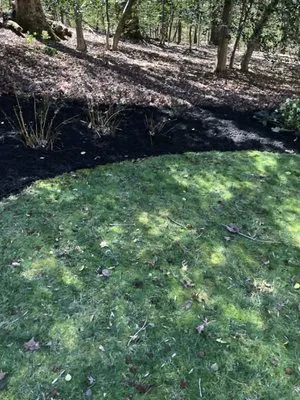
Lawn Pretty is a family-owned, locally operated lawn care and property cleanup service in Henrico, Virginia. Founded on a simple principle—we love transforming neglected spaces into something you can ...
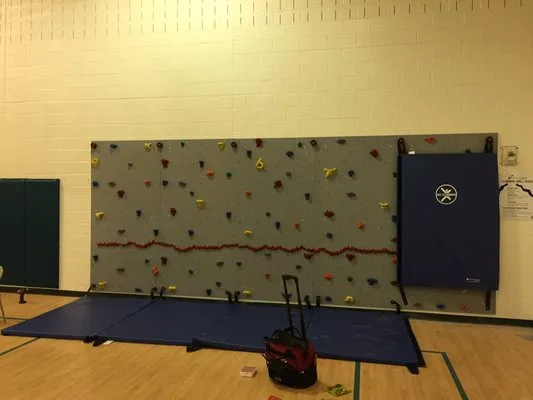
Founded by Ellis in 2014, E&E Installation Services began with a simple, people-first mission: to provide moving and labor services where customer care came first. Starting as a dedicated labor crew, ...

Nates Landscaping is a trusted local lawn care provider serving homeowners in Ashland, VA. We specialize in comprehensive lawn services designed to address the common challenges Ashland properties fac...
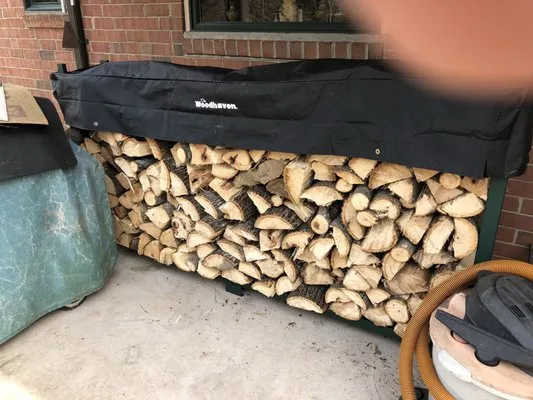
At Skip's Firewood Service in Chester, we're your local source for quality firewood and dependable property care. We specialize in providing well-seasoned hardwood in quarter, half, and full cord quan...
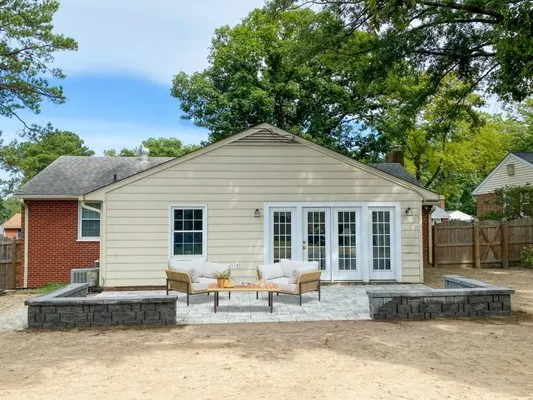
Willow Landscaping has been a trusted partner for homeowners in Bon Air and Central Virginia since 2010. We specialize in creating and maintaining beautiful, functional outdoor spaces with a focus on ...
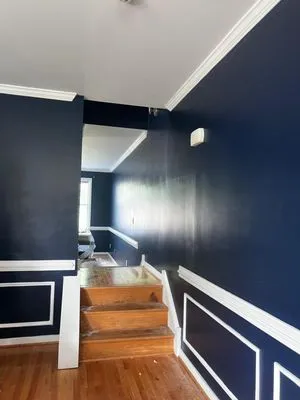
LDL Services is your trusted, local handyman and landscaping company serving Henrico, VA, and the surrounding area. We specialize in a wide range of repair and maintenance tasks, from plumbing and dry...
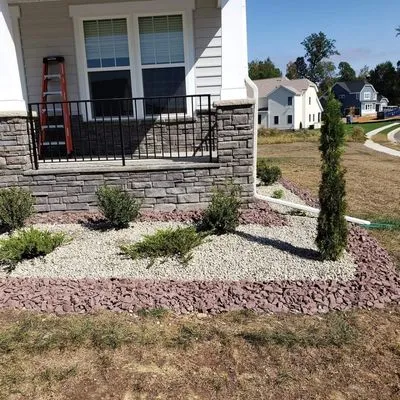
ORB Construction serves Charles City, VA, as a comprehensive provider of landscaping, excavation, and demolition services. We specialize in transforming outdoor spaces through services like soil backf...
Estimated Landscaping Service Costs in Ashland, VA
Frequently Asked Questions
How can I keep my Tall Fescue healthy during summer without wasting water?
Wi-Fi ET-based irrigation controllers are the standard for water conservation under Ashland's normal, voluntary status. These systems adjust runtime daily using local evapotranspiration data, applying water only as needed. Properly calibrated, they can reduce potable water use by 20-30% while maintaining turf health. Deep, infrequent watering cycles that match soil percolation rates are more effective than frequent, shallow sprinkling.
I want to reduce mowing and gas equipment noise. What should I plant instead?
Transitioning high-maintenance turf to a climate-adaptive landscape with Virginia natives like Eastern Redbud, Switchgrass, and Butterfly Weed significantly reduces water, fertilizer, and weekly mowing needs. This xeriscaping approach creates habitat and stays ahead of potential gas-blower restrictions within the noise ordinance. A layered planting of Virginia Sweetspire and Purple Coneflower provides year-round interest with minimal inputs once established.
Water pools near my foundation after heavy rain. What's a long-term solution?
Moderate runoff is common due to the clay subsoil compaction beneath Ashland's sandy loam. Installing a French drain or dry creek bed can intercept subsurface flow. For new hardscapes, specify permeable clay pavers; their joint spacing allows stormwater infiltration, helping projects meet Town of Ashland Planning and Community Development runoff standards. This approach mitigates erosion and reduces burden on municipal systems.
Are permeable clay pavers a better choice than wood for a new patio?
Permeable clay pavers offer superior longevity and permeability compared to wood, which requires regular sealing and replacement. Their fired clay construction is non-combustible, contributing to defensible space—a consideration even in Ashland's low Fire Wise rating zone. For the Historic District's aesthetic, they provide a durable, low-maintenance surface that manages runoff naturally and complements traditional architecture.
Do I need a permit to regrade part of my 0.25-acre lot, and who should do the work?
Regrading that alters drainage patterns or involves significant cut/fill typically requires a permit from the Town of Ashland Planning and Community Development. On a 0.25-acre lot, such work must be performed by a contractor licensed by the Virginia DPOR for landscaping or excavation. This ensures compliance with state sediment and erosion control laws, protects adjacent properties, and verifies that the work meets engineered standards for slope stability.
A storm damaged trees on my property. What's the fastest way to get an emergency cleanup crew here?
For an emergency cleanup requiring HOA or insurance compliance, dispatch from a central location like Randolph-Macon College allows efficient access via I-95. During peak hours, anticipate a 20-30 minute response window to the Historic District. Crews operate within the Town's noise ordinance hours of 7 AM to 9 PM, utilizing chippers and loaders for rapid debris removal and site safety restoration.
My yard in the Ashland Historic District feels compacted and tired. Is this just age?
Properties with an average 1982 construction date have soil systems approximately 44 years old. In Ashland's Ultisol sandy loam, decades of foot traffic and equipment use have likely degraded soil structure, increasing compaction in the clay subsoil. This reduces permeability and root penetration for turf like Tall Fescue. Core aeration in early fall, followed by top-dressing with compost, is critical to rebuild organic matter and address the naturally acidic pH.
I see invasive vines taking over a hedge. How do I remove them safely?
Common invasive species alerts in Zone 7b include English Ivy, Japanese Honeysuckle, and Porcelain Berry. Manual removal of roots is preferred, but for persistent regrowth, a targeted, systemic herbicide applied in late summer or fall is effective. Any treatment must comply with Virginia's Chesapeake Bay Watershed Nutrient Management Regulations, which may restrict fertilizer and certain pesticide applications during specific blackout dates to protect water quality.
