Top Landscaping Services in Arlington, VA, 20598 | Compare & Call

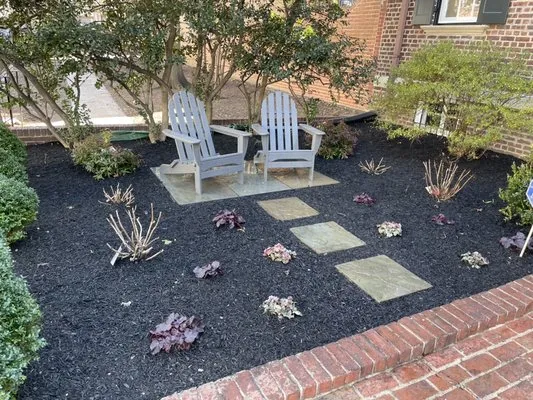
Green Horizons is a locally owned and operated landscaping company serving Arlington and Northern Virginia for nearly a decade. Founded by Frank, whose passion for outdoor spaces dates back to the ear...
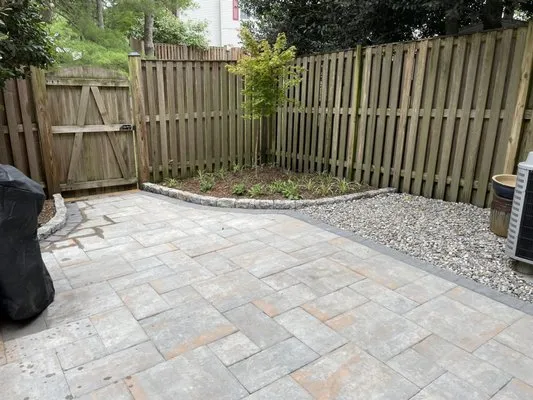
Rimble Landscaping is a trusted Arlington, VA-based company specializing in comprehensive landscaping, masonry/concrete, and tree services. We help local homeowners tackle common landscaping challenge...
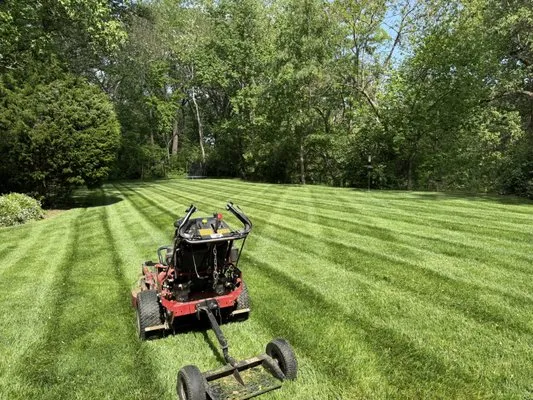
Abel Salvador is the proud owner of A Lawn Service, bringing over 18 years of industry experience and nearly 12 years of serving Arlington, VA. His business is built on a commitment to quality, timely...
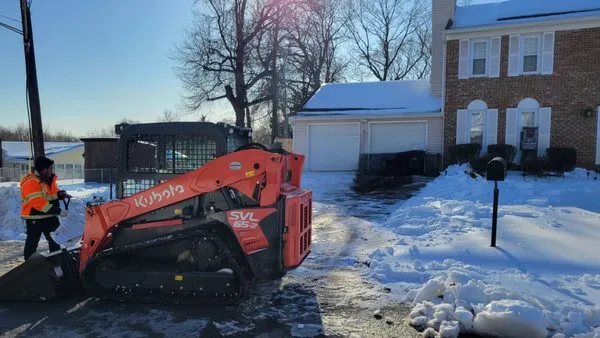
For over a decade, Benitez Landscaping Pro Services has been a trusted name in Arlington, VA, built on a foundation of family, farming heritage, and dedicated community service. Founded by a family wi...
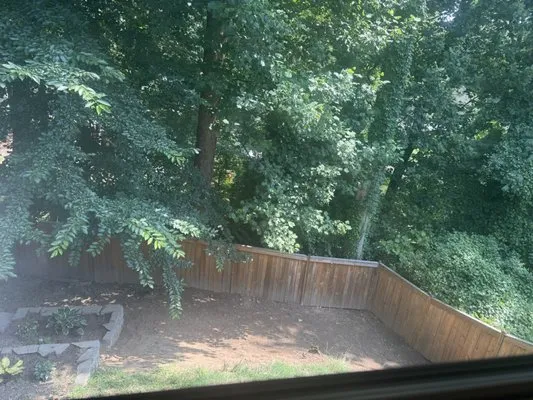
Spirit Landscaping provides reliable, year-round property care for Arlington homeowners. We handle everything from routine lawn mowing, shrub care, and seasonal planting to major projects like retaini...
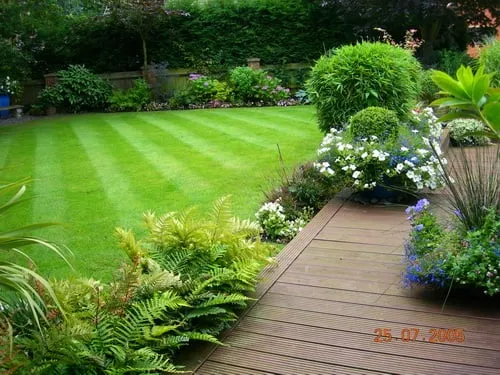
Organic Lawn Care was founded in 1999 by a lifelong Northern Virginian, bringing decades of local landscaping experience since 1980 to Arlington and the wider Metro DC area. We offer a proven, chemica...
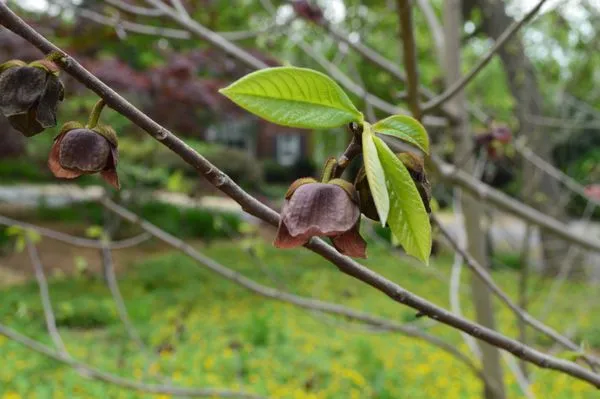
Founded in 2005 by Danylo, Organic Edible Gardens is a sustainable landscape design, construction, and maintenance company serving Arlington, VA, and the wider DC Metro area. With certifications in or...
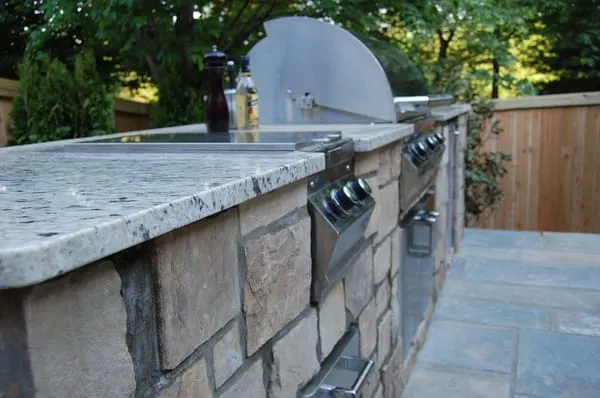
Groff Landscape Design
Groff Landscape Design is a family-owned business founded in 2007 by Robert F. Groff, a Landscape Architecture graduate, and his father Bob, a nursery production specialist. With roots in deck buildin...
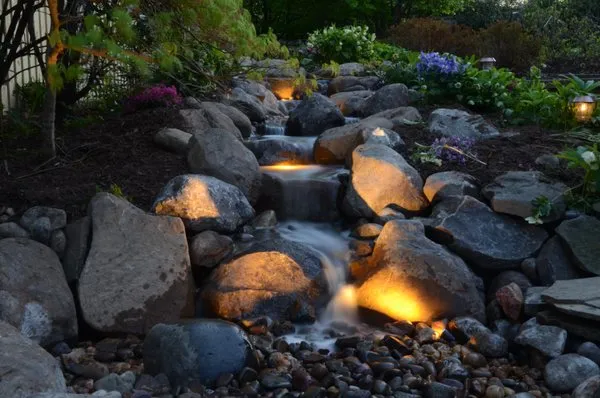
NOVA Ponds is a trusted, full-service pond company based right here in Arlington, VA. As local residents and a Certified Aquascape Contractor, our team specializes in designing, installing, cleaning, ...
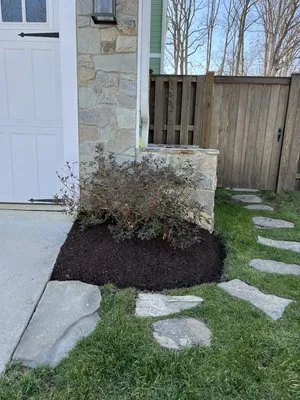
Brother's Lawn & Landscape is a full-service landscaping company serving Arlington, VA, dedicated to creating and maintaining beautiful, functional outdoor spaces. We understand the common local chall...
Frequently Asked Questions
Are permeable clay pavers a better choice than wood for a new patio?
For longevity and ecological function in Arlington's Zone 7b climate, permeable clay pavers are superior to wood. They resist rot, frost heave, and insect damage, offering a lifespan measured in decades. Their permeability manages runoff, and as a non-combustible material, they contribute to the defensible space recommended even in low Fire Wise rating suburban areas, unlike wooden decks which pose a higher fuel load risk.
I have invasive vines taking over. How do I remove them safely?
Common invasive species like English Ivy or Porcelainberry require persistent mechanical removal, cutting the vines at the base and carefully pulling roots. Under the Chesapeake Bay Act, any follow-up fertilizer must be phosphorus-free unless a soil test confirms a deficiency. For severe cases, targeted, professional-grade herbicide applications may be necessary, but timing is critical to avoid harming desirable plants and to comply with seasonal application blackout dates.
Why is my soil so compacted and sour, and what can I do about it?
Arlington's 1975-era homes, common in Clarendon, were built on naturally acidic Ultisol subsoils with a typical pH of 5.5-6.2. Over 50 years, construction compaction and organic matter depletion have created a dense, poorly draining layer. To restore soil health, begin with a core aeration in early fall to relieve compaction, followed by an application of compost to increase permeability and buffer the acidity, creating a better environment for root growth.
How quickly can you respond to an emergency storm cleanup to meet HOA compliance deadlines?
For urgent HOA compliance work like post-storm debris removal, our electric fleet avoids noise ordinance restrictions, allowing for early morning starts. A standard dispatch from the Arlington County Courthouse area uses I-66 to reach most Clarendon addresses within the 20-30 minute window quoted for peak response. We prioritize these calls to manage debris before it impacts drainage or violates community standards.
What's a lower-maintenance alternative to my high-input lawn?
Transitioning to a landscape anchored by Arlington-native plants like Eastern Redbud, Purple Coneflower, and Switchgrass significantly reduces water, fertilizer, and maintenance needs. This xeriscape approach creates habitat and stays ahead of regulatory trends, such as restrictions on gas-powered blowers, by generating less debris. Mature native plantings require minimal inputs, aligning with 2026 biodiversity and climate resilience standards.
What permits and licenses are needed for regrading my backyard?
Regrading a 0.15-acre lot in Arlington typically requires an Erosion and Sediment Control permit from the Arlington County Department of Community Planning, Housing and Development to prevent runoff into the Chesapeake Bay watershed. The contractor must hold a valid Class A, B, or C license from the Virginia DPOR for landscaping. This ensures they are bonded, insured, and knowledgeable about state regulations, including the Chesapeake Bay Act fertilizer protocols.
My yard holds water after rain. What's a long-term fix that also looks good?
Moderate runoff in clay-heavy Arlington soils requires improving permeability. Installing permeable clay pavers for patios or walkways allows water to infiltrate directly, reducing surface flow. This system, often supported by Arlington County permits for meeting stormwater management standards, should be paired with regrading to direct water away from foundations and into rain gardens planted with natives like Swamp Milkweed.
How can I keep my Tall Fescue healthy during summer without wasting water?
Wi-Fi ET-based irrigation controllers are the solution for Arlington's voluntary conservation status. These systems automatically adjust watering schedules using real-time weather data on evapotranspiration (ET), applying water only when and where your Tall Fescue needs it. This technology can reduce water use by 20-30% compared to traditional timers, keeping turf resilient while adhering to municipal water efficiency goals.
