Top Landscaping Services in Appomattox, VA, 24522 | Compare & Call

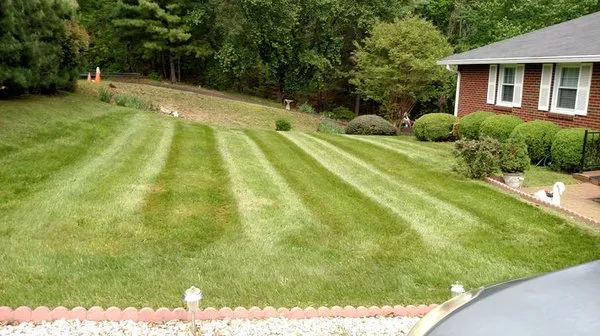
Southern Touch Lawn and Landscaping
Southern Touch Lawn and Landscaping was founded in 2015 by owner Brandon Means, who started the business as a side project with a vision of being his own boss. What began as a part-time venture in App...
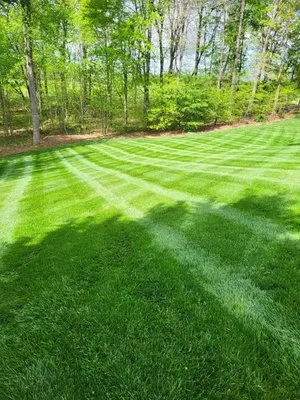
May's Lawn Care
May's Lawn Care is a trusted, locally-owned provider serving Appomattox, Virginia, and the surrounding region. We specialize in a full spectrum of property services, from routine lawn care and precise...
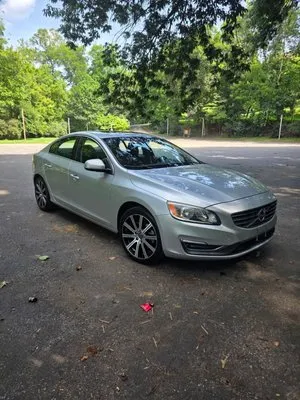
Watts Lawn Care & Mobile Detailing
Watts Lawn Care & Mobile Detailing is a locally owned and operated service provider in Appomattox, VA, offering a practical combination of property and vehicle care. For your home, we handle everythin...

Southern Stump Grinding is your trusted local tree service provider in Appomattox, VA. We specialize in comprehensive tree care and stump removal to keep your property safe and looking its best. We un...
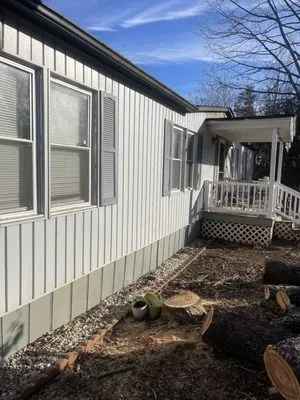
Four Seasons Tree & Landscaping Services is your dedicated, year-round partner for a healthier, more beautiful property in Appomattox, VA. We understand the specific challenges local homeowners face, ...
Nature's Work is a dedicated landscaping company serving the Appomattox, VA community. We understand the common challenges local homeowners face, such as persistent weed infestations and struggling or...
Bakers Lawn Care is a trusted, locally-owned lawn service provider in Appomattox, VA, dedicated to helping homeowners achieve a thick, healthy, and envy-worthy lawn. We understand that patchy grass an...
Jons Highteck Redneck Professional Landscaping is a trusted local landscaping company serving Appomattox, VA. We specialize in addressing common local landscaping challenges like dying shrubs and soil...

Parsons Lawn and Landscaping is a trusted, locally-owned service in Appomattox, VA, dedicated to maintaining and enhancing the health and beauty of local properties. We specialize in professional lawn...
Q&A
My flower beds are being taken over by a fast-growing vine. How do I remove it safely?
An aggressive vine is likely an invasive species such as Japanese Honeysuckle or Kudzu, which thrive in disturbed soils. Manual removal, including digging out the root crown, is most effective for small infestations. For larger areas, targeted herbicide application must be carefully timed outside of any blackout dates specified under the Virginia Nutrient Management Regulations. Always identify the plant first to ensure the treatment method is appropriate and legal.
I'm tired of weekly mowing and gas equipment noise. Are there quieter, lower-maintenance options?
Transitioning high-maintenance turf to a landscape anchored by native plants like Eastern Redbud, Mountain Laurel, Butterfly Weed, and Switchgrass significantly reduces mowing and fuel-based maintenance. This native matrix requires less water, no regular fertilization, and supports local biodiversity. It also future-proofs your property against evolving noise ordinances that may increasingly restrict gas-powered blowers and mowers in residential areas.
Should I use pressure-treated wood or concrete pavers for a new patio?
Concrete pavers offer superior longevity and lower lifetime maintenance compared to wood, which decays and requires chemical treatments. In Appomattox's Moderate Wildland-Urban Interface fire-risk zone, pavers also contribute to defensible space as a non-combustible material. Their modular design allows for creative patterns and, when installed with permeable base materials, they improve site drainage—a critical factor given the local soil compaction issues.
A storm damaged my trees and I need immediate debris removal to meet HOA rules. How quickly can a crew arrive?
For emergency cleanup in Appomattox, a crew can be dispatched from a staging area near the Appomattox Court House National Historical Park. The route uses US-460 for efficient access to Downtown neighborhoods. Under standard conditions, accounting for local traffic patterns, a team can be on-site for initial assessment and mitigation within the 20 to 30-minute peak storm response window. This prioritizes safety and regulatory compliance.
Water pools in my yard after heavy rain. What's a long-term solution that also looks good?
Moderate runoff is common here due to the clay-heavy subsoil compaction beneath Cecil Sandy Loam. A functional solution involves installing a French drain system tied to a dry creek bed built with local river rock, a permeable material. This manages surface flow and sub-surface water, meeting Appomattox County's runoff standards. Complementing this with concrete paver patios or walkways, which allow water infiltration, further reduces pooling issues.
Do I need a permit to regrade my backyard and who is qualified to do the work?
Regrading a 0.35-acre lot in Appomattox County typically requires a permit from the Department of Planning and Community Development, as it alters water runoff patterns. The work must be performed by a contractor licensed by the Virginia DPOR. This ensures the professional carries the required insurance and adheres to state codes for erosion control and proper drainage, which are particularly important given the area's clay subsoil and runoff hazards.
My lawn seems thin and struggles to hold water, even after I fertilize. Why is that?
Properties in Downtown Appomattox, built around the 1968 average, have soils that are now over 55 years old. This age corresponds with the advanced development of Cecil Sandy Loam Ultisols, which naturally become dense and compacted over decades. The soil's low permeability and acidic pH range of 5.5 to 6.2 inhibit root growth and nutrient uptake. Correcting this requires core aeration and incorporating composted organic matter to rebuild structure and biological activity.
How can I keep my Tall Fescue lawn healthy during the summer while following water conservation guidelines?
Appomattox's Stage 1 Voluntary Conservation measures align with using Wi-Fi ET-based Smart Controllers. These systems adjust watering schedules daily based on real-time evapotranspiration data, precisely matching plant needs. For Tall Fescue in Zone 7b, this typically means deep, infrequent irrigation cycles that promote drought-tolerant root systems. This technology optimizes water use, keeping the lawn viable while staying well within municipal water budgets.
