Top Landscaping Services in Amherst, VA, 24521 | Compare & Call
There are 117 landscaping companies server in Amherst VA
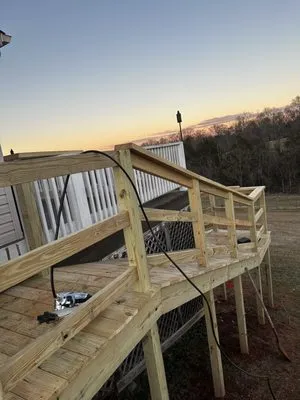
Woods Lawncare & Services is a trusted, locally-owned business in Madison Heights, VA, specializing in comprehensive outdoor care. Our skilled team brings together expertise in landscaping, deck const...

Anderson Land Maintenance LLC is a trusted, locally-owned provider of landscaping and excavation services for Forest, VA. Our experienced team specializes in transforming properties through comprehens...
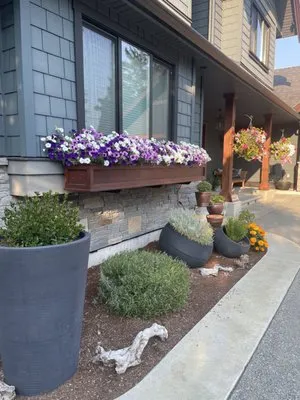
MB Home Experts is a Lynchburg-based contractor specializing in carpentry, landscaping, and fencing. We help homeowners solve common local outdoor problems like patchy lawns and poor yard grading. Our...
Daley's Landscaping & Lawn Care, owned by Mike Daley, has been serving the Forest, VA community since 2008. As a father of three, avid outdoorsman, and husband to a dedicated nurse, Mike understands t...
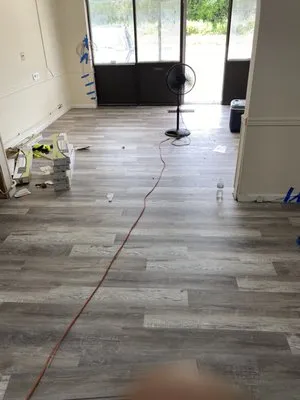
Taylor Made Landscaping is a locally owned and operated business serving Lynchburg, VA, and the surrounding 50-mile radius. We specialize in comprehensive landscaping, tree services, and pressure wash...
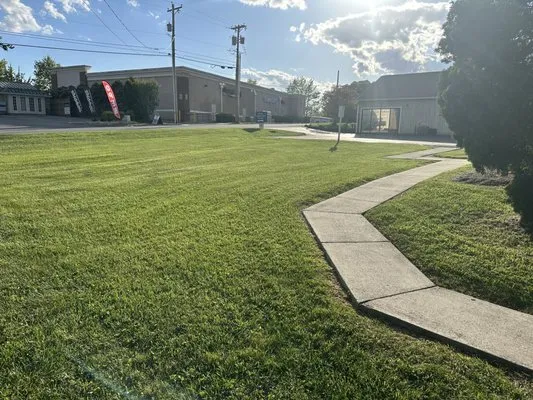
Golden Cut Lawn Care is a dedicated local provider serving the lawns of Lynchburg, VA. We focus on reliable, straightforward lawn care services tailored to the unique needs of our community. Understan...
Green Bush Lawn Care is your trusted, local lawn service provider in Louisa, VA. We specialize in comprehensive lawn care solutions tailored to the specific needs of our community. A common issue we a...

Thompson's All Season Home Services is your trusted local partner for home maintenance in Stuarts Draft, VA. As a family-owned business, we understand the unique challenges Shenandoah Valley homeowner...
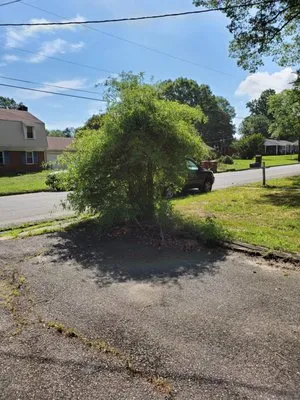
MD Lawn Care and Small Home Repair is a family-run local business serving Lynchburg, VA, with a commitment to quality and community. We blend skilled craftsmanship with a neighborly approach, treating...
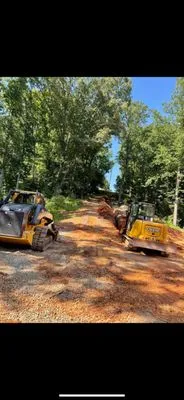
Tunstall’s Excavating & Landscaping
Tunstall's Excavating & Landscaping is a Vinton-based company built on years of local experience. We're a small business that listens first, adapting our wide range of services and equipment to meet t...
Estimated Landscaping Service Costs in Amherst, VA
Questions and Answers
How can we keep a Tall Fescue lawn green during Virginia summers without wasting water?
Smart Wi-Fi ET-based controllers are the definitive solution under normal, voluntary conservation status. These systems use real-time evapotranspiration data to apply only the precise water volume lost to atmosphere and soil. This method prevents overwatering, directly counters clay subsoil compaction by encouraging deeper roots, and keeps Kentucky-31 or Turf-Type Tall Fescue resilient within municipal water limits.
We're building a new patio. Is local granite a better choice than composite wood for durability?
Local granite and permeable concrete pavers offer superior longevity and permeability compared to wood or composites, which degrade and require chemical treatments. In a community with moderate Firewise USA standards, these non-combustible materials also contribute to defensible space by creating a fire-resistant zone around the home, a prudent consideration for long-term property resilience.
We want to regrade our backyard for better drainage. What permits or licensed pros do we need?
Regrading a 0.35-acre lot typically requires a land disturbance permit from the Amherst County Planning and Zoning Department if more than 2,500 square feet is impacted. The work must be performed by or under the supervision of a contractor licensed by the Virginia DPOR. This ensures compliance with state sediment control laws and protects you from liability related to improper drainage affecting neighboring properties.
I'm tired of weekly mowing and gas equipment noise. Are there lower-maintenance options?
Transitioning high-input turf to a climate-adaptive xeriscape with native plants is a forward-looking strategy. Planting Eastern Redbud, Switchgrass, Butterfly Milkweed, and Purple Coneflower establishes a resilient ecosystem that requires minimal supplemental water and no weekly mowing. This shift also preempts tightening noise ordinances targeting gas-powered blowers and mowers, aligning with electric fleet transitions.
Our lawn in Town Center seems thin and struggles every summer. Is this just old age for the grass?
Soil maturity, calculated from the average 1969 home construction, is over 55 years. This duration has allowed the native Ultisols—acidic loam with a pH of 5.5-6.2—to become highly compacted, especially in established neighborhoods. This compaction restricts root growth and water percolation. Annual core aeration and adding compost are non-negotiable practices to rebuild soil structure and support healthy turf.
A storm brought down a large limb. How quickly can a crew respond for an emergency cleanup in Town Center?
For HOA compliance or safety-related emergencies, we dispatch from near the Amherst County Courthouse. Using US Route 29 allows access to most Town Center properties within the 20-30 minute peak storm response window. Crews are equipped for immediate debris management, prioritizing access routes and mitigating tripping hazards to restore property safety swiftly.
Our yard collects water after heavy rain. What's a long-term fix for this pooling issue?
Moderate runoff is typical in areas with our clay-heavy subsoil. The solution integrates grading and permeable materials. Replacing solid concrete with local granite or permeable concrete pavers for patios and walkways creates infiltration points. This approach, often supported by the Amherst County Planning and Zoning Department's runoff standards, redirects water into the soil profile instead of the storm drain system.
What invasive plants should I watch for, and how do I remove them without harming my garden?
Be alert for Japanese Stiltgrass, Mile-a-Minute Vine, and Tree-of-Heaven. Manual removal before seed set is most effective. For chemical treatments, timing is critical to comply with the Chesapeake Bay Watershed Nutrient Management Regulations; avoid applications before forecasted rain to prevent runoff. Always identify the species first, as misapplication can violate local fertilizer and pesticide blackout dates.
