Top Landscaping Services in Abingdon, VA, 24210 | Compare & Call
There are 64 landscaping companies server in Abingdon VA
Reeds Lawn Care provides expert lawn services for Bristol, VA, homeowners. We understand the local challenges, particularly the common issues of lawn fungus and persistent weed infestations that can d...
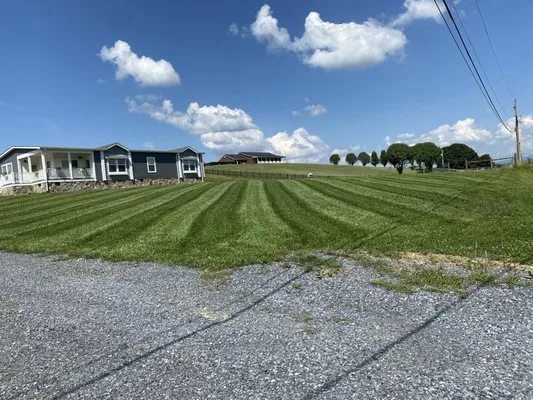
Fletcher Meade Mowing is a trusted lawn care provider serving Glade Spring, VA, and the surrounding areas. We specialize in comprehensive lawn maintenance designed to tackle the specific challenges ho...
Mullins in Abingdon, VA is a trusted local provider of tree services, landscaping, and septic solutions, serving the community with 15 years of dedicated experience. Specializing in landscape maintena...
Grasshoppers is a fully insured and bonded outdoor maintenance company serving the Tri-Cities region of Virginia and Tennessee, including Saint Paul, with over 20 years of experience. We specialize in...

Hyde's Lawncare & Landscaping
Hyde's Lawncare & Landscaping is a full-service landscape and tree care provider serving Meadowview, VA, and the surrounding area. We specialize in comprehensive tree and shrub care, landscape design ...
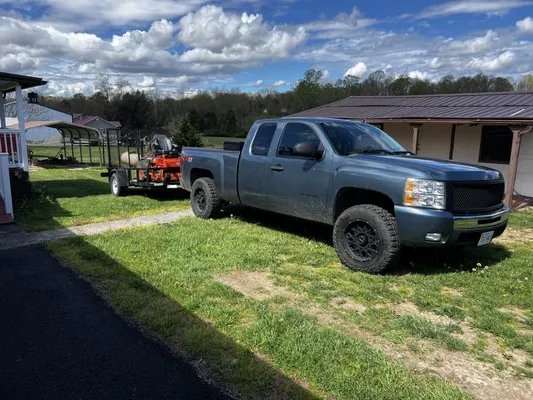
Lawn Guardians is your trusted, local lawn care expert serving Glade Spring, VA, and the surrounding area. We specialize in comprehensive lawn services designed to tackle the specific challenges homeo...
Quality Contracts is a trusted, full-service contracting company serving Abingdon, VA, and the surrounding areas. We specialize in plumbing, carpentry, and lawn services, providing comprehensive solut...
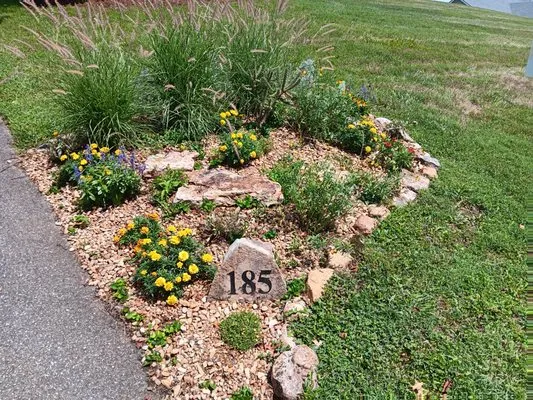
The Garden Project is a full-service landscaping company serving Abingdon, VA, and surrounding areas. We specialize in comprehensive landscape solutions including design, installation, maintenance, an...
Blue Ridge Hardscapes in Abingdon, VA, is your local expert for transforming outdoor spaces and ensuring safe, efficient fireplaces and heating systems. We specialize in both hardscape construction an...
Total Lawn Care is a dedicated landscaping company serving Abingdon, VA, and the surrounding region. We specialize in addressing the specific lawn challenges faced by homeowners in our area, particula...
Estimated Landscaping Service Costs in Abingdon, VA
Q&A
Should I replace some lawn areas with native plants to reduce maintenance costs?
Transitioning high-maintenance turf to native plantings like Eastern Redbud, Purple Coneflower, and Switchgrass reduces water needs by 70% while eliminating weekly mowing. This approach aligns with emerging electric equipment standards that phase out gas-powered blowers during noise ordinance hours. Native landscapes support local pollinators and require minimal inputs once established, creating resilient ecosystems that thrive in acidic Ultisols. The shift represents a strategic adaptation to both ecological and regulatory changes.
What's the best solution for moderate runoff problems in my clay-heavy Abingdon yard?
Clay-heavy Ultisols in Abingdon require integrated drainage solutions combining French drains with permeable hardscaping. Local sandstone pavers installed with open-joint patterns and gravel bases increase surface permeability by 60-80% compared to solid concrete. This approach meets Abingdon Planning & Zoning Department runoff standards while preventing soil erosion during heavy rains. Strategic grading directs water away from foundations toward infiltration zones planted with deep-rooted natives.
What permits and licenses are required for grading work on my quarter-acre Abingdon lot?
Grading projects on 0.25-acre lots require both Abingdon Planning & Zoning Department permits and Virginia DPOR-licensed contractors. The permit office reviews erosion control plans and drainage calculations to ensure compliance with local ordinances. DPOR licensing verifies contractor competency in soil mechanics and proper equipment operation for precise grade changes. Unlicensed grading can cause structural damage and drainage violations, particularly in historic districts with established lot lines and utility locations.
How quickly can you respond to an emergency tree cleanup after a storm in Abingdon?
Emergency storm response typically requires 20-30 minutes during peak conditions from our central dispatch near The Barter Theatre. Our electric fleet vehicles travel via I-81 to minimize noise during restricted hours (10 PM-7 AM) while maintaining rapid deployment. This routing ensures HOA compliance for debris removal while avoiding traffic bottlenecks common in historic districts. We prioritize safety assessments before beginning any cleanup operations on compromised trees.
How do I safely treat invasive species without violating fertilizer regulations?
Invasive species management requires precise timing to avoid Virginia's Nutrients Management Act blackout dates for herbicide applications. Manual removal combined with targeted spot treatments using EPA-approved formulations minimizes chemical use while preventing spread. For persistent invaders like Japanese stiltgrass, fall applications after native dormancy provide effective control without harming desirable plants. Always verify treatment windows with local extension services to maintain BMP compliance while protecting soil microbiology.
Can I maintain healthy Tall Fescue turf while following Abingdon's water conservation guidelines?
Wi-Fi ET-based weather sensing irrigation systems precisely match watering to actual evapotranspiration rates, reducing Tall Fescue water use by 30-40% compared to traditional timers. These systems automatically adjust for rainfall and temperature fluctuations while staying within voluntary conservation limits. Properly calibrated ET controllers deliver 1-1.5 inches weekly during peak growing seasons, maintaining turf health without exceeding municipal water budgets. This technology represents the current standard for sustainable turf management in USDA Zone 7a.
Why does my Abingdon Historic District yard have such poor drainage and compacted soil?
Properties in the Abingdon Historic District with 1979-era construction have 47-year-old soil profiles that show significant compaction from decades of foot traffic and equipment use. The acidic Ultisols common here (pH 5.5-6.2) naturally develop dense clay-heavy subsoil layers that restrict water percolation. Core aeration with organic amendments like composted pine bark improves soil structure by increasing pore space and microbial activity. This addresses both compaction and acidity while enhancing root penetration for established landscapes.
Are sandstone pavers better than wood for durable, fire-resistant landscaping?
Local sandstone pavers offer superior longevity and fire resistance compared to wood in Abingdon's Moderate WUI Zone 2. With minimal maintenance requirements and natural permeability, sandstone withstands freeze-thaw cycles while creating defensible space around structures. Unlike combustible wood mulches, stone hardscaping reduces fire ladder potential without compromising drainage. This material choice supports both aesthetic continuity with regional geology and practical wildfire mitigation strategies for residential properties.
