Top Landscaping Services in Willard, UT, 84340 | Compare & Call

There are 147 landscaping companies server in Willard UT
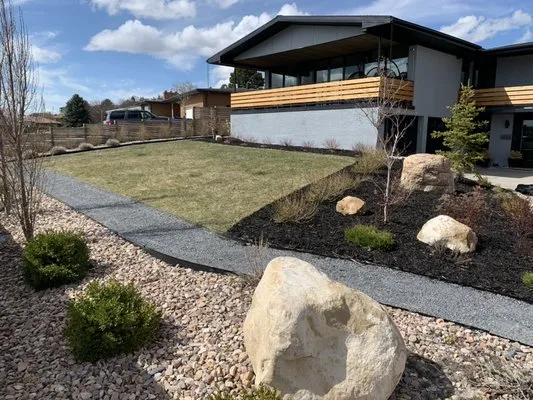
Simple Monkey Sprinklers is a family-owned, locally operated lawn and irrigation service provider based in Salt Lake City. With over three decades of combined customer service experience, we've been p...
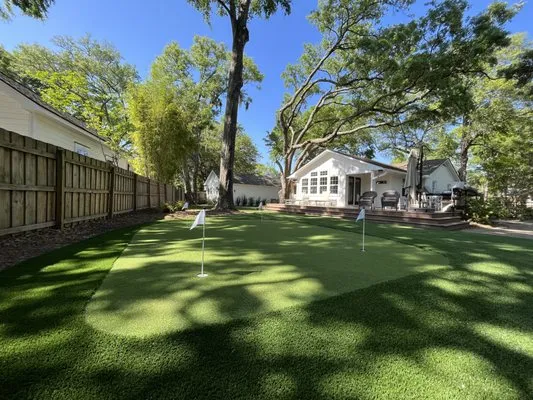
ProGreen Intermountain Turf has been providing Salt Lake City residents with durable, American-made artificial turf solutions since 1987. Our team specializes in transforming local landscapes with hig...

DM Daniel Landscaping is a Clearfield-based, owner-operated company dedicated to transforming and maintaining local properties. We specialize in a comprehensive range of services, from detailed landsc...
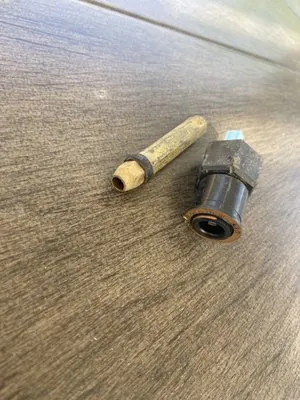
Rasmussen Lawns & Landscape is a Salt Lake City family-owned business with deep local roots, tracing back over 40 years to two brothers mowing neighborhood lawns. This foundational experience has grow...
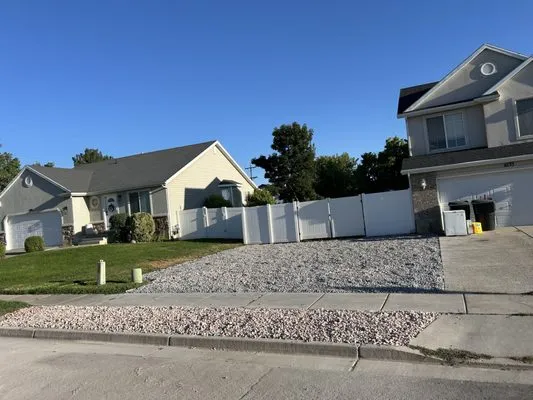
Jake's Lawn Care is a trusted local lawn service provider in Clearfield, UT, dedicated to maintaining beautiful, healthy lawns for homeowners and businesses. We specialize in comprehensive lawn care, ...

Andrew's Lawn and Snow is a trusted local provider serving Salt Lake, UT, and surrounding areas like Ogden and Provo. We focus on reliable, year-round property maintenance with our lawn care and snow ...
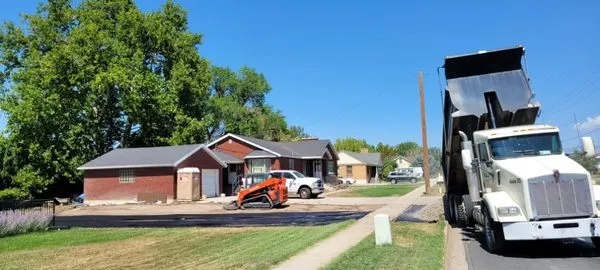
KJ Excavation & Landscaping is a locally owned and operated business serving Layton and surrounding Utah communities. With four years of hands-on experience in the excavation and landscaping field, th...
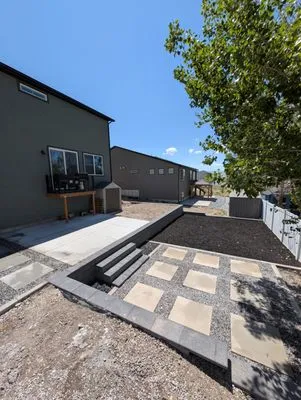
Lomeli Landscaping is a Lehi-based landscaping and masonry company serving Utah County with comprehensive outdoor solutions. We specialize in artificial turf installation, driveway and walkway constru...
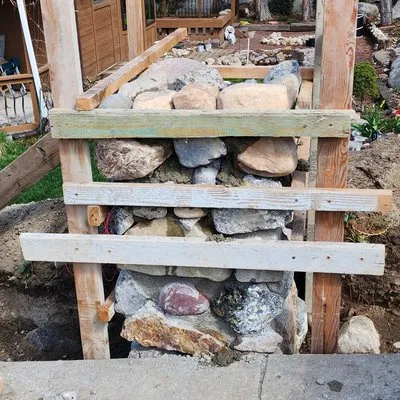
I 15 Landscaping And Concrete Services is a West Valley City, UT-based company specializing in comprehensive landscaping and masonry solutions. We focus on building lasting relationships with our neig...
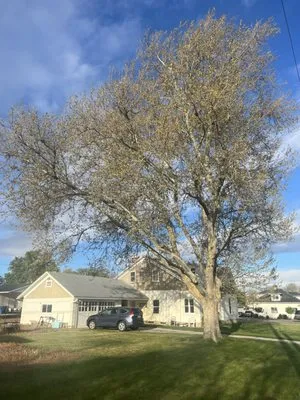
Adrian's Tree and Landscape Services is a trusted, family-operated business that has been serving the West Point community and surrounding Weber, Davis, and Box Elder Counties since 1990. We specializ...
Estimated Landscaping Service Costs in Willard, UT
Questions and Answers
Do I need a permit to regrade my backyard, and what contractor qualifications should I verify?
Significant grading on a 0.35-acre lot that alters water flow or involves retaining walls over 4 feet typically requires a permit from the Willard City Planning Department. For this work, always hire a contractor licensed by the Utah Department of Professional Licensing (DOPL). A DOPL license ensures they carry the required insurance, understand state excavation codes, and are bonded. This protects you from liability for improper drainage that could affect neighboring properties.
My yard has severe runoff and slope erosion. What's the best solution?
High runoff is a known issue with alkaline silt loam soils, which have slow permeability when compacted. To manage this, we design systems using permeable washed river rock in swales or dry creek beds, which slows water velocity and encourages infiltration. This approach often meets the Willard City Planning Department's stormwater management standards. For steeper slopes, combining these rock features with deep-rooted native plants like Bluebunch Wheatgrass is essential for long-term stabilization.
What's your emergency response time for storm damage cleanup?
For emergency stabilization or HOA compliance issues, our crews can typically mobilize within the hour from our base near Willard Bay State Park. Using I-15, we can reach most Willard City Center properties within 20-30 minutes, even during peak traffic. We coordinate with local utilities for downed limb removal and prioritize electric equipment to comply with the city's weekday noise ordinance, allowing work from 7:00 AM.
What invasive weeds should I watch for, and how do I control them safely?
In Willard, common invasive alerts include Cheatgrass, Russian Knapweed, and Myrtle Spurge. Manual removal before seed set is most effective. For chemical control, always use targeted, soil-applied pre-emergents or spot-treat post-emergents, strictly following the state's guidance on nitrogen runoff prevention to protect Willard Bay watersheds. Avoid broad applications during hot, dry periods to prevent herbicide volatilization and always adhere to any local blackout dates for fertilizer and pesticide use.
How can I keep my Kentucky Bluegrass green during voluntary water restrictions?
Wi-Fi ET-based irrigation systems are the standard for efficient water use in Willard's Stage 1 conservation stage. These controllers automatically adjust runtime based on real-time weather data, evapotranspiration rates, and soil moisture. This prevents overwatering on cool, humid days, which is common with traditional timers. Properly calibrated, this technology can reduce water use by 20-30% while maintaining turf health by delivering water only when the grass truly needs it.
Is washed river rock a better choice than wood mulch for my garden beds?
For longevity and fire resilience in Willard's Moderate (WUI Zone 2) fire risk area, permeable washed river rock is superior. It does not decompose, attract pests, or require annual replacement like wood mulch. Rock provides a permanent, non-combustible material that contributes to defensible space requirements. While it has a higher initial thermal mass, its use in combination with appropriate plant spacing effectively manages microclimates and supports Firewise principles.
Why does my Willard lawn struggle despite regular feeding and watering?
Properties in the Willard City Center neighborhood, built around 2002, have immature soils approximately 24 years old. The prevalent alkaline silt loam (pH 8.1) tends to compact over time, restricting root growth and water percolation. This compaction limits nutrient availability even with fertilizer. Annual core aeration in spring or fall is critical to improve oxygen flow and incorporate organic compost, which will gradually lower pH and build a healthier soil biome.
Is there a lower-maintenance alternative to my weekly-mowed lawn?
Yes, transitioning high-input turf areas to a xeriscape with native plants like Rocky Mountain Penstemon, Rubber Rabbitbrush, and Serviceberry significantly reduces water, mowing, and chemical needs. This creates a resilient landscape that supports local pollinators. It also future-proofs your property against evolving regulations, such as potential restrictions on gas-powered blowers and mowers due to noise ordinances, as electric maintenance is quieter and sufficient for these plantings.
