Top Landscaping Services in West Point, UT, 84015 | Compare & Call
There are 178 landscaping companies server in West Point UT
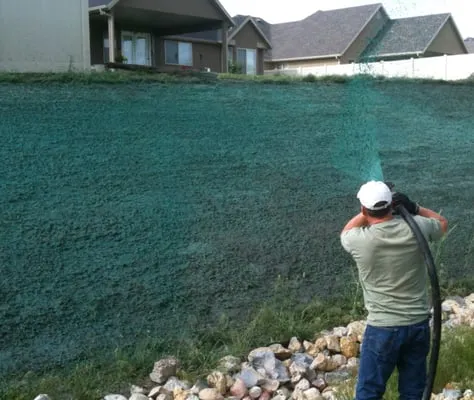
A-Plus Power and Hydroseeding brings 15 years of specialized experience to Syracuse, UT, focusing on hydroseeding for turf grass, pasture grass, wildflowers, and native seeding. The company is fully l...
Wilkins Landscaping has been a trusted part of the Syracuse community for years, providing reliable outdoor solutions built for the specific demands of Northern Utah's climate. From comprehensive land...
For over seven years, Carter's Cuttin Lawn Care has been a trusted name in Syracuse lawn care. We believe in treating every client like a member of our own family, building lasting relationships based...

Diamond Peak Lawn Services is a Syracuse, UT-based lawn care company founded in 2024, dedicated to serving the residents of Davis and Weber County. We specialize in comprehensive lawn maintenance, inc...
Superior Rockscapes is a Syracuse-based landscaping company dedicated to transforming outdoor spaces with durable, low-maintenance solutions. We specialize in addressing common local issues like poor ...
Lil Paul's Lawn Care is a trusted local lawn service provider in Syracuse, Utah, dedicated to maintaining healthy and attractive landscapes. We understand the unique challenges faced by Syracuse homeo...
A1 Contractor Services has been a trusted name in the Syracuse, UT community for over two decades. We provide reliable, year-round solutions for your property, from custom sprinkler system design and ...
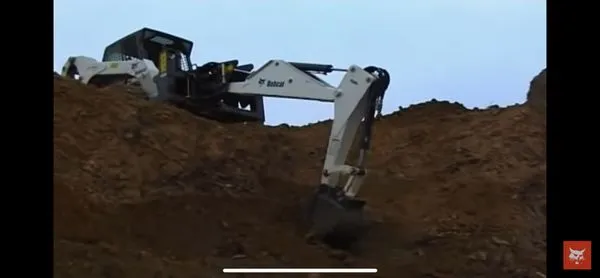
KORE Contracting is a Syracuse-based landscaping, excavation, and concrete contractor dedicated to solving common local property challenges. Serving the Davis County area, we specialize in transformin...
Akana is a trusted, full-service provider for Syracuse, UT, homeowners, specializing in landscaping, masonry, and lighting. We understand the local challenges of dust buildup and soil compaction that ...
Wilderness Water Falls is West Point's trusted local landscaping partner, specializing in solving the common yard challenges homeowners face in our community. We understand that bare lawn patches and ...
Estimated Landscaping Service Costs in West Point, UT
Question Answers
What are the biggest weed threats here, and how do I deal with them safely?
In our area, watch for invasive species like Myrtle Spurge and Cheatgrass. Effective control involves targeted pre-emergent herbicides in early spring and careful manual removal, always avoiding application on frozen ground or near waterways to comply with local phosphorus restrictions. Promoting dense growth of desired plants, like Indian Ricegrass, is the best long-term defense by outcompeting weeds for resources.
How can I keep my Kentucky Bluegrass lawn alive under Stage 2 water restrictions?
An ET-based, Wi-Fi-connected irrigation system is essential. It automatically adjusts watering schedules using local weather data to apply only the precise amount of water lost to evapotranspiration. This technology, combined with deep, infrequent watering cycles that encourage root growth, allows you to maintain a viable turf stand while strictly adhering to municipal conservation mandates and avoiding runoff.
Are permeable concrete pavers a good choice for a patio compared to wood?
Yes, for durability and fire resilience. In West Point's Moderate (WUI Zone 2) fire risk area, non-combustible materials like concrete pavers are recommended to create defensible space. Unlike wood, they require no sealing, resist frost heave, and their permeability manages runoff. Their longevity and low maintenance offer a better lifecycle cost, making them a superior technical choice for our climate and regulatory environment.
If a storm causes significant tree damage, how quickly can a crew respond?
For emergency cleanup to meet HOA or safety compliance, our dispatch from Loy Blake Park uses I-15 for direct access. Accounting for peak traffic, we maintain a 25-35 minute response window for West Point City Center. This routing allows for rapid deployment of electric chippers and saws, which comply with the city's noise ordinance restricting gas equipment use before 7:00 AM.
Why does the soil in my yard seem so hard and poor, and what can I do about it?
West Point's predominant Calcareous Silt Loam, with a pH of 7.9-8.2, naturally compacts and limits water penetration. For homes built around 1998, like many in West Point City Center, 28 years of standard maintenance has depleted organic matter, creating dense, alkaline conditions. Core aeration in fall and amending with composted manure or elemental sulfur can lower pH and improve soil structure, directly addressing the root cause of poor turf health and drainage.
What permits and credentials should I verify before hiring for a major grading project?
Any significant grading or earthwork on a 0.35-acre lot typically requires a permit from West Point City Planning and Zoning to ensure proper drainage and erosion control. Crucially, you must hire a contractor licensed by the Utah Division of Professional Licensing (DOPL) for landscaping. This licensing guarantees they carry the required insurance and possess the technical knowledge to execute the work to code, protecting you from liability and substandard results.
My yard pools water and has white, crusty salt deposits. What's the solution?
This is a classic symptom of high runoff and salt accumulation in Calcareous Silt Loam. Improving soil permeability is the first step, but for paved areas, replacing solid concrete with permeable pavers is critical. These pavers allow water to infiltrate, reducing surface flow and flushing salts through the soil profile, which helps meet West Point City Planning and Zoning standards for on-site stormwater management.
What's a lower-maintenance alternative to my high-water turf grass?
Transitioning to a xeriscape with native plants like Rocky Mountain Penstemon, Desert Globemallow, and Fernbush significantly reduces water, mowing, and chemical inputs. These species are adapted to Zone 6b and our alkaline soil. This shift future-proofs your landscape against tightening water rules and aligns with the move toward quieter, electric maintenance fleets, as these plants require no gas-powered blowing or frequent mowing.
