Top Landscaping Services in Smithfield, UT, 84335 | Compare & Call


Since 1994, A & D Landscaping has been a trusted, locally-owned company in Smithfield, UT, dedicated to enhancing our community's outdoor spaces. We build lasting relationships through reliable servic...
For over 20 years, Thom's Lawn Care has been the trusted choice for lawn and garden care in Smithfield and across Cache Valley. Founded on local expertise and a commitment to clear communication, our ...
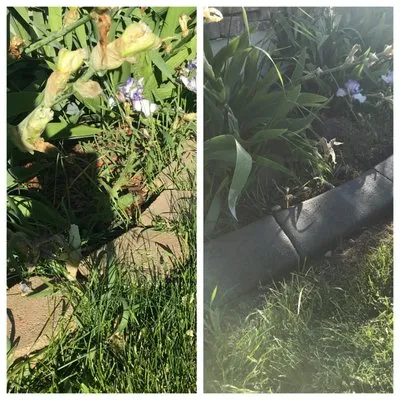
Cache Curb Appeal is a licensed and insured landscaping company based in Smithfield, UT, specializing in decorative concrete curbing and stonework. For homeowners throughout Cache Valley, we provide d...
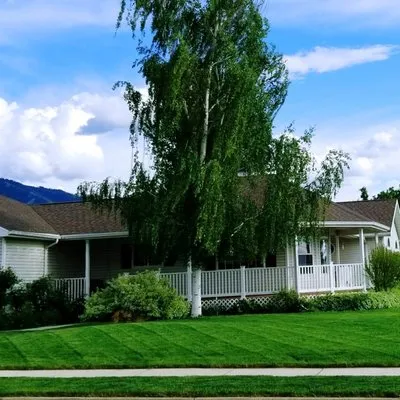
The Green Smile Lawn Care is your local Smithfield expert for a healthy, resilient lawn. We understand the unique challenges of our area, from storm debris that can damage grass to stubborn bare patch...
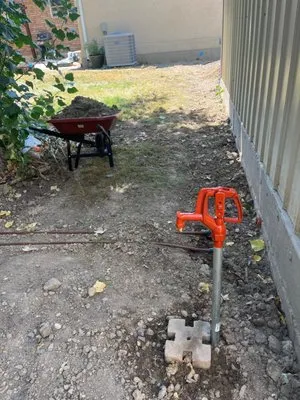
At Flow Tech Solutions in Smithfield, UT, we believe a vibrant, healthy lawn starts with reliable irrigation. Our passion for seeing sprinklers work effectively drives us to provide quality lawn servi...
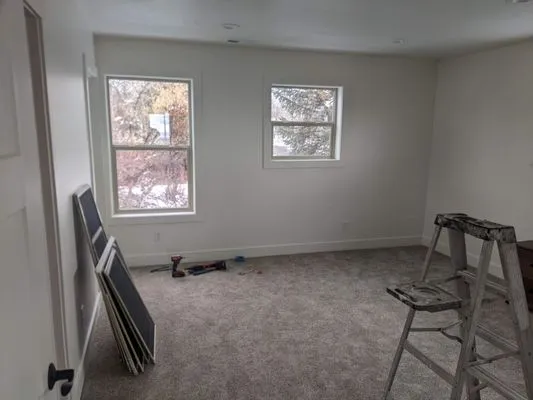
Cal's Builders of Logan is a family-owned general contracting business with deep roots in Cache Valley. Founded on the legacy of Cal's Builders, Inc. and revitalized by Matt in 2021 alongside his son ...
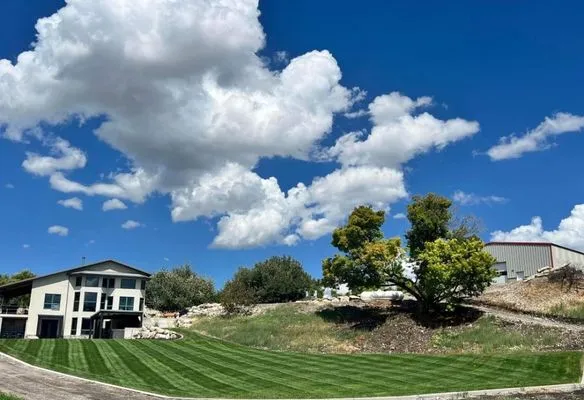
Droptine Lawncare Service is a husband-and-wife team, Jake and his wife, serving Smithfield, UT, and the wider Cache Valley area. With Jake's 14-year background in electronics manufacturing and his wi...
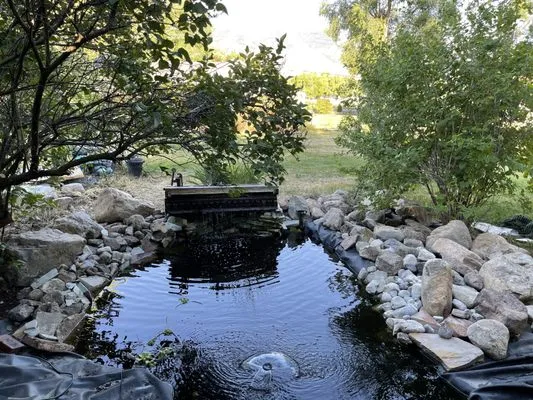
Gary's Little Red Tractor is your licensed, local landscaping partner in Smithfield, UT, specializing in small tractor work. We offer a comprehensive range of services tailored to our community's need...

Very Good Landscaping is a locally owned and operated, fully licensed and insured lawn service provider serving Smithfield, UT. We are your reliable partner for comprehensive yard care, from routine w...

Floreo Horticulture Services in Smithfield, UT, is a local landscaping and gardening business founded by a Utah State University graduate with a Bachelor of Science in Ornamental Horticulture (2010). ...
Common Questions
My yard turns into a soggy mess every spring from snowmelt. What's the solution?
This is a predictable hazard of our alkaline silt loam, which has poor infiltration rates. The solution combines subsurface drainage with surface strategy. Installing a dry well or channel drain in problem areas is key. For patios or walkways, using permeable base materials beneath local Wasatch Mountain Quartzite allows water to percolate, meeting Smithfield Planning & Zoning runoff standards and preventing saturation.
Is natural stone or wood better for a long-lasting, fire-resistant patio?
Local Wasatch Mountain Quartzite is superior for durability and fire safety. Unlike wood, which degrades and is combustible, quartzite is permanent and non-flammable. Using this material for patios or retaining walls contributes directly to your property's defensible space, a critical factor in Smithfield's Moderate Wildland-Urban Interface (WUI) fire-wise rating. Its longevity also offers a better lifecycle return on investment.
Will my Kentucky Bluegrass survive if we have to cut back on watering?
Yes, with precise management. Smithfield's Stage 1 voluntary conservation aligns with using smart Wi-Fi controllers that schedule irrigation based on real-time evapotranspiration (ET) data. This technology applies water only when the specific low-water cultivar turfgrass needs it, often reducing usage by 20-30%. This method maintains turf health within municipal limits by eliminating guesswork and overspray.
What are the most aggressive weeds I should watch for, and how do I treat them safely?
In this area, puncturevine and field bindweed are primary invasive species alerts. Treatment requires a targeted, integrated approach. Manual removal for small infestations and careful spot-application of appropriate herbicides are effective. All treatments must comply with Utah's stormwater regulations for minimal phosphorus and adhere to any local blackout dates to protect watershed health and avoid penalties.
Do I need a permit to re-grade my yard or install a new drainage system?
Yes, significant grading or drainage work on a 0.25-acre lot typically requires a permit from Smithfield City Planning & Zoning. The scope of such earth-moving often necessitates hiring a contractor licensed by the Utah Department of Commerce, Division of Professional Licensing (DOPL). This ensures the work meets engineering standards for stormwater management and prevents liability issues from improper site alteration.
How quickly can you respond to an urgent HOA violation notice for overgrown landscaping?
Our dispatch prioritizes Smithfield City Center for rapid compliance. An electric maintenance crew can be routed from our staging at Mack Park north on US-91, reaching most properties within 20-30 minutes even during peak traffic. This allows for immediate mowing or trimming to meet ordinance standards while operating within the city's 7:00 AM to 9:00 PM noise-restricted window.
Why does my lawn look thin and compacted despite regular care?
Homes in Smithfield City Center built around 1998 have soils approaching 30 years of maturity. Original construction grading and decades of standard maintenance have degraded the native structure of our alkaline silt loam. The resulting compaction, with a pH of 7.9-8.2, severely limits root penetration and water infiltration. Core aeration paired with top-dressing composted organic matter is required to rebuild soil biology and porosity.
Is there a lower-maintenance, eco-friendly alternative to my grass lawn?
Transitioning high-maintenance turf to a climate-adaptive xeriscape is a forward-looking strategy. Using natives like Rocky Mountain Penstemon, Serviceberry, and Big Sagebrush drastically reduces water needs and eliminates weekly mowing. This shift also prepares your property for evolving noise ordinances, as these plantings require no gas-powered blowers, aligning with the move toward quiet, electric maintenance fleets.
