Top Landscaping Services in Pleasant View, UT, 84404 | Compare & Call

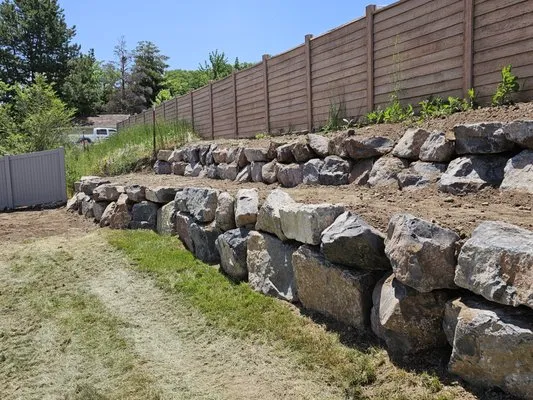
Edge Earthscapes in Pleasant View, UT, is a family-run landscaping company founded on over 25 years of hands-on construction and earthwork experience. Owner Nick, the 'earth surgeon,' leads the team w...

Lawn Police is a locally owned lawn care and pest control service in Pleasant View, UT, with over 30 years of combined experience. We specialize in custom fertilization, weed control, and grub control...

Lomond View Lawn & Landscaping has been a cornerstone of the Pleasant View community since 1987. More than just a service provider, we are a full-service nursery and garden center with a deep understa...

Supreme Cutz is a full-service landscaping and design company serving Pleasant View, UT, and the surrounding area. We specialize in creating beautiful, sustainable outdoor spaces that thrive in our lo...
Q&A
How quickly can a crew respond for an emergency cleanup or HOA compliance issue?
For urgent dispatch from our base near Barker Park, crews take the I-15 corridor to reach Pleasant View Meadows. Typical peak storm or compliance response is 20-30 minutes. We coordinate with the Pleasant View City Planning & Zoning office to understand specific HOA covenants, ensuring our electric maintenance equipment operates within the 8:00 AM to 9:00 PM noise ordinance window for immediate, compliant service.
What permits and licensing are required for major grading or landscape construction on a 0.35-acre lot?
Any significant grading or retaining wall installation requires a permit from the Pleasant View City Planning & Zoning office to ensure proper erosion control and drainage plans. The contractor must hold a current license from the Utah Division of Professional Licensing (DOPL) for landscaping or excavation. This is legally mandatory for projects altering water flow or soil stability on a property of this size to protect against liability and downstream damage.
What invasive weeds should we watch for, and how do we treat them safely?
Alert for Myrtle Spurge and Cheatgrass, which thrive in disturbed, alkaline soils. Treatment requires a spring pre-emergent application timed before the Early April mulching peak, followed by targeted manual removal or spot-organic herbicide. All treatments must comply with Utah's Phosphorus Application Standards, which prohibit phosphorus fertilization unless a soil test confirms deficiency, avoiding nutrient runoff into the watershed.
Why does the soil in Pleasant View Meadows seem so compacted and alkaline?
Properties built around 2002, like many in this neighborhood, have soil systems approximately 24 years old. The original alkaline silt loam (pH 8.1) was often compacted during construction, and decades of standard lawn care have further reduced microbial life and permeability. This mature but degraded soil profile now requires core aeration and the addition of acidifying organic matter, like composted pine fines, to improve structure and nutrient availability for long-term plant health.
Are permeable concrete pavers and river rock better than wood for durability and fire safety?
In Pleasant View's Moderate (WUI Zone 2) fire-wise rating, non-combustible materials are critical for defensible space. Permeable concrete pavers and washed river rock offer superior longevity over wood, with no rotting, warping, or termite risk. Their permeability also addresses the core drainage hazard, while the inorganic nature eliminates fuel for embers, directly supporting community wildfire safety goals.
Can we have a green lawn under Stage 1 water restrictions?
Yes, using smart Wi-Fi ET-based weather sensing controllers is the standard method. These systems apply water based on real-time evapotranspiration data, not a fixed schedule, aligning precisely with municipal conservation limits. For a Kentucky Bluegrass and Tall Fescue blend, this means deeper, less frequent watering cycles that encourage drought-tolerant root growth while maintaining canopy health within the seasonal allowance.
Is there a more sustainable, low-maintenance alternative to traditional turf?
Transitioning perimeter zones to a xeriscape of native plants like Blue Grama Grass, Rocky Mountain Penstemon, and Serviceberry significantly reduces water, mowing, and chemical inputs. This climate-adaptive landscaping stays ahead of regulatory trends, including tighter gas-blower restrictions under the noise ordinance. A layered native planting also provides superior habitat, supporting local biodiversity and soil mycorrhizae networks.
Our sloped yard has major runoff and erosion—what's the solution?
High runoff on alkaline silt loam slopes indicates poor percolation. The engineered solution involves installing subsurface French drains tied to dry creek beds made with permeable washed river rock. This system, combined with strategic terracing, manages velocity and volume. Using permeable concrete pavers for any new patios meets Pleasant View City Planning & Zoning runoff standards by allowing water infiltration directly at the source.
