Top Landscaping Services in Pleasant Grove, UT, 84003 | Compare & Call
There are 203 landscaping companies server in Pleasant Grove UT
Dream Scapes Landscapes & Property Maintenance
Dream Scapes Landscapes & Property Maintenance is a locally owned and operated landscaping company serving Lindon, UT, with over 45 years of combined experience. We specialize in comprehensive propert...
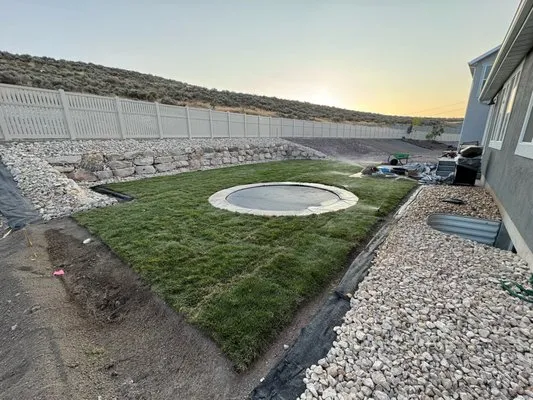
Happy Valley Landscaping is a trusted local landscaping company serving Pleasant Grove, UT, and the surrounding areas. We specialize in addressing common local yard challenges, particularly erosion pr...

White House Hills Property Management is a professional lawn care service provider based in Orem, Utah, dedicated to maintaining beautiful and healthy landscapes. We specialize in servicing both resid...
JA Taylor Landscaping is a trusted, locally-owned landscaping company serving Pleasant Grove, UT, and the surrounding Utah County area. We understand the specific challenges homeowners face in our com...
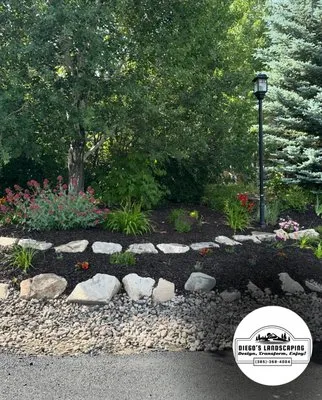
Diego's Landscaping in Orem, UT, provides comprehensive outdoor solutions tailored to Utah's unique climate. We offer 24/7 snow removal with flexible scheduling—on call before, during, and after storm...
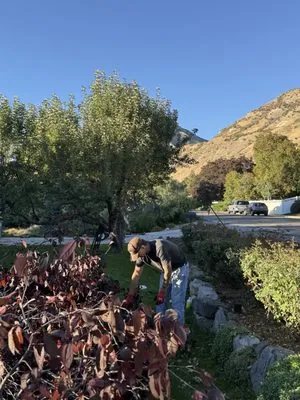
Sun Brothers is a family-run service company in Pleasant Grove, UT, dedicated to enhancing and maintaining your property's exterior. Built on the values of honesty and genuine care, we treat every hom...
Olsen Crane is a trusted, family-operated business serving Lindon, UT, and the entire state for decades. With a fleet of 40 to 90-ton cranes capable of reaching up to 202 feet, we provide dependable c...

Garcia's Landscaping & Tree Service has been a trusted provider in the Pleasant Grv area for 15 years, specializing in landscape maintenance and tree care. Founded in American Fork with a commitment t...
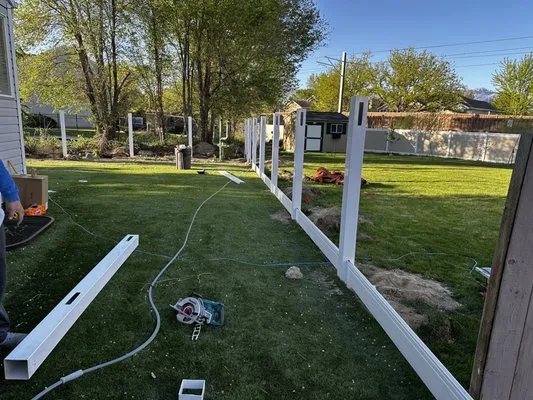
Green Lion Landscaping is a Vineyard, UT-based company specializing in lawn services and fence & gate solutions. We help local homeowners and businesses create and maintain beautiful, functional outdo...
Bestcare Landscaping is a trusted local landscaping company serving Lindon, UT, and surrounding areas. We specialize in addressing common landscaping challenges faced by homeowners in our community, s...
Estimated Landscaping Service Costs in Pleasant Grove, UT
Question Answers
We want to regrade our backyard for a new garden. What permits and contractor qualifications are needed?
Any significant grading or earthmoving on a 0.25-acre lot in Pleasant Grove requires a review by the Community Development Department to ensure compliance with drainage and erosion control ordinances. More critically, the contractor must hold specific licensing through the Utah Department of Professional Licensing (DOPL). For grading work, this typically requires a 'Construction' or 'Landscaping' license, which guarantees they carry the required insurance and understand state-mandated practices. Hiring a licensed professional is non-negotiable; it protects you from liability for runoff damage to neighboring properties and ensures the work passes final inspection.
We're adding a patio. Why choose permeable concrete pavers over traditional wood decking?
In Utah's climate with its freeze-thaw cycles and a Moderate Fire Wise rating (WUI Zone 2), material longevity and defensible space are critical. Permeable concrete pavers offer a 50+ year lifespan with zero rot, splintering, or termite risk, unlike wood. Their permeability manages onsite stormwater, a key compliance factor. Furthermore, they provide a non-combustible, ember-resistant zone close to the home, which is a recommended practice for creating defensible space in wildfire interface areas. The initial investment yields significantly lower lifetime maintenance and risk.
A major windstorm damaged trees and scattered debris everywhere. How quickly can a crew respond for an emergency HOA compliance cleanup?
An emergency storm response crew can typically mobilize within 90 minutes of dispatch. From our staging area near Discovery Park, the route north via I-15 provides direct access to the Old Fort area. Accounting for post-storm traffic and on-site hazard assessment, a full crew with chippers and loaders will arrive on-site within the 20-30 minute window for peak response scenarios. This allows for immediate debris management to meet HOA safety and aesthetic standards before any violation notices are issued.
We're tired of weekly mowing and gas blower noise. Is there a quieter, lower-maintenance alternative to our grass?
Transitioning high-input turf areas to a xeriscape featuring Utah natives like Rocky Mountain Penstemon, Desert Globemallow, and Blue Grama grass is a forward-thinking solution. These plants require no weekly mowing, minimal watering once established, and no gas-powered leaf blowing. This directly aligns with evolving noise ordinances targeting gas blowers and prepares your property for an electric maintenance fleet future. The resulting landscape provides superior habitat value and aligns with 2026 biodiversity initiatives, all while drastically reducing your Saturday morning chore list.
Our Old Fort neighborhood lawn struggles even with watering. What's the underlying issue with the soil here?
Properties built around 1998, common in Old Fort, are now nearly 30 years old, meaning the soil profile has matured with significant compaction. The native calcareous silty loam has a high clay content and pH of 7.8-8.2, which locks up essential nutrients like iron and phosphorus. Over decades of standard maintenance, organic matter has depleted, severely reducing permeability and root penetration. Core aeration paired with acidic organic compost is no longer optional; it's a necessary intervention to rebuild soil structure and bioavailability for your turf.
Water pools in our yard after every rain. What's a long-term solution that also looks good?
Moderate runoff and pooling are direct results of the high clay compaction in our calcareous silty loam, which has very low permeability. A functional solution integrates subsurface French drains with a decorative surface layer of permeable concrete pavers or washed river rock for patios and paths. These materials allow stormwater to infiltrate directly into the ground, mitigating runoff. This approach often satisfies the Pleasant Grove Community Development Department's runoff management standards for residential properties, turning a problem area into a durable, attractive hardscape feature.
We have a weed that's taking over. How do we treat it without harming the environment or breaking local rules?
First, identify the invasive species; common culprits here include Myrtle Spurge or Cheatgrass. Treatment must avoid the local fertilizer ordinance's blackout period, which prohibits any phosphorus application on frozen or saturated ground, typically from late fall through early spring. For many broadleaf invasives, a targeted spot-treatment with a selective herbicide in late spring, when the weed is actively growing but the ground is dry, is effective and legal. Always follow with a native seed mix to outcompete future weeds, ensuring soil health and preventing secondary infestation.
With Stage 1 water restrictions, how do we keep our Kentucky Bluegrass lawn alive without wasting water?
Under voluntary conservation, the key is precision. Wi-Fi-enabled, ET-based smart controllers are essential; they adjust schedules daily based on local weather data, eliminating overwatering. For Kentucky Bluegrass and Tall Fescue blends in Zone 7a, this means applying water only during pre-dawn hours to minimize evaporation, targeting deeper, less frequent soakings to encourage drought-resistant roots. This technology often reduces water use by 20-30% while maintaining turf health, keeping you well within municipal guidelines and prepared for potential stricter future mandates.
