Top Landscaping Services in North Salt Lake, UT, 84010 | Compare & Call

There are 204 landscaping companies server in North Salt Lake UT
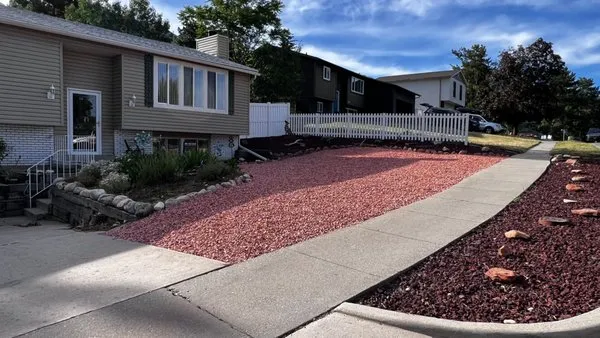
Amador Landscaping is a locally owned and operated landscaping company serving Salt Lake City and the surrounding areas. Founded in 2011 by Zenaido Amador, we have built our reputation on reliable, ex...
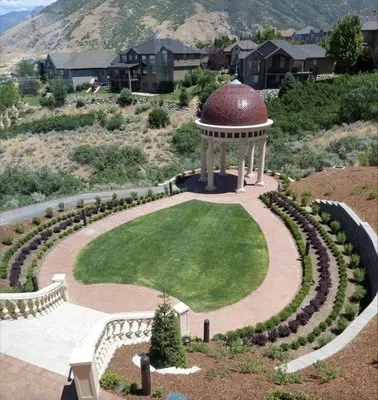
Estma Landscaping is a locally owned and insured landscaping company serving West Jordan, UT. We specialize in comprehensive outdoor solutions, from artificial turf installation and irrigation systems...
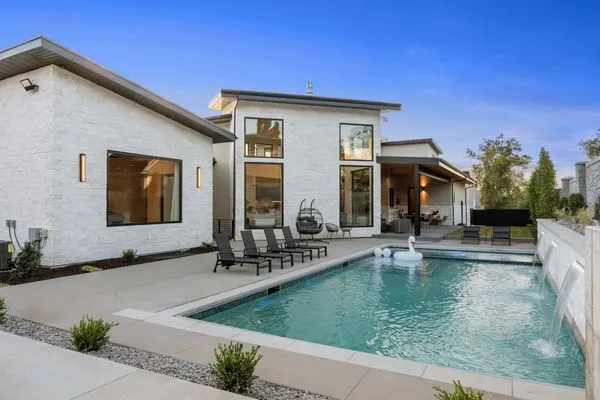
Ironwood Landscaping
Ironwood Landscaping is a family-owned and operated landscaping and paving company serving Sandy, Utah, and the surrounding areas. With over a decade of dedicated service and a team whose combined exp...
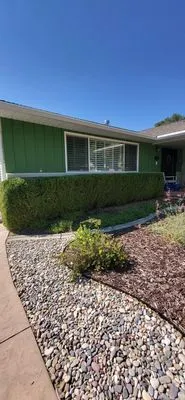
L&B Landscaping is a full-service provider in Salt Lake City, UT, dedicated to creating and maintaining beautiful, healthy outdoor spaces year-round. We specialize in comprehensive tree care, shrub se...
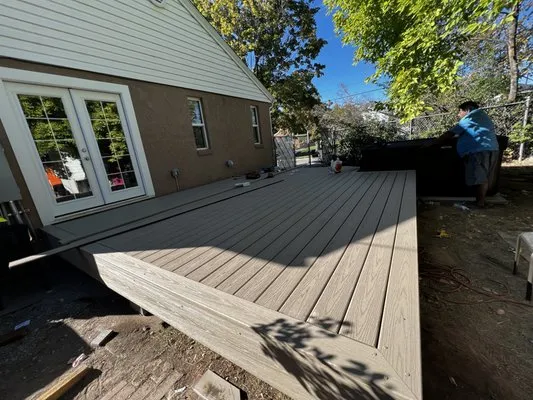
At J & K Fencing and Landscaping, we're a family-owned and operated business serving Salt Lake City with over seven years of dedicated experience. Founded on a genuine passion for working with our han...
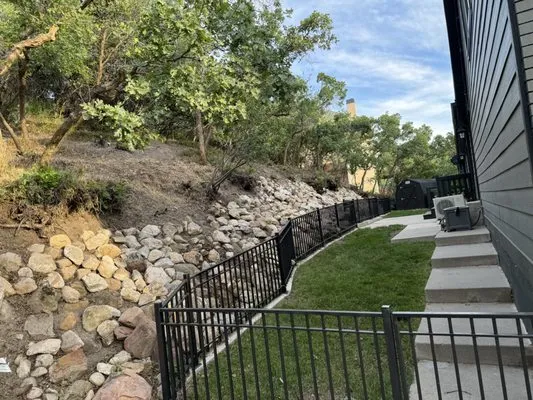
Tieran's Landscaping in Riverton, UT, brings a lifelong passion for outdoor spaces to every project. Founded on childhood memories of creating perfect lawn stripes on a family mower, Tieran has transf...
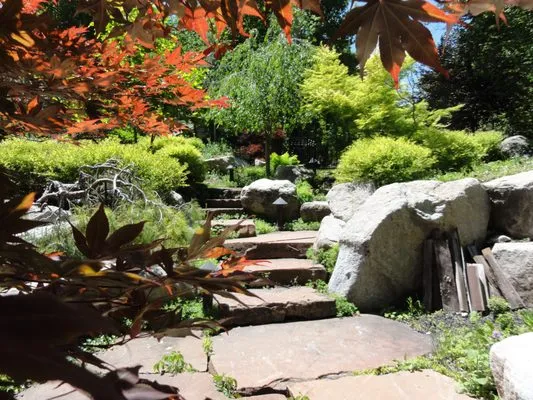
Gerber Landscapes
Gerber Landscapes brings over three decades of expertise to Cottonwood Heights and the greater Salt Lake area. Founded in 2006 by an owner with deep roots in the trade—including work on landmark proje...
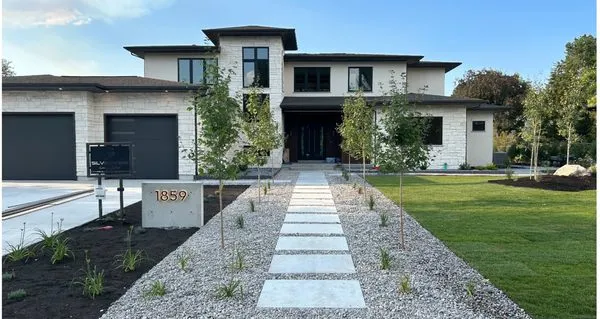
Thrive Landscape Services
Thrive Landscape Services is a full-service landscaping company serving Sandy, UT, specializing in tree care, landscape design, and construction. We help homeowners and businesses transform their outd...
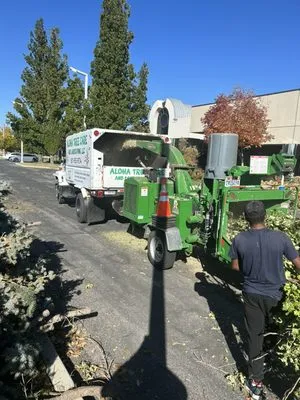
Aloha Tree & Landscaping is a trusted provider of comprehensive tree and shrub services for Salt Lake City homeowners. We specialize in everything from landscape design and planting to expert maintena...
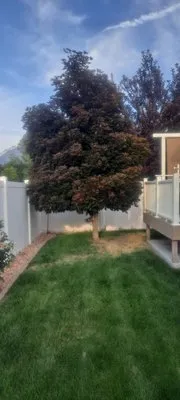
Based in Salt Lake City, JRP Siding & Paint is a full-service exterior contractor specializing in siding, painting, and comprehensive landscaping. We understand the unique challenges Utah homeowners f...
Estimated Landscaping Service Costs in North Salt Lake, UT
Common Questions
We want to regrade our backyard for better drainage. What permits and contractor credentials are required?
Regrading a 0.22-acre lot typically requires a permit from the North Salt Lake City Planning & Zoning Department to ensure drainage plans comply with municipal code and don't impact neighboring properties. More critically, you must hire a contractor licensed by the Utah DOPL (Department of Professional Licensing) for excavation or landscaping. This licensing guarantees they carry proper insurance and understand state-mandated practices for erosion control and utility line safety, protecting you from significant liability.
We get white, crusty salt deposits and pooling water in our yard. What's causing this and how do we fix it?
This is high alkalinity runoff, a direct result of irrigating Calcareous Silt Loam. Dissolved salts in the water precipitate out as it evaporates, creating crusts and reducing soil permeability. The solution is a two-part approach: first, improve subsurface drainage with French drains to move water away. Second, replace impervious surfaces with permeable hardscapes like washed river rock and flagstone. This combination reduces surface runoff, meets city stormwater standards, and mitigates salt accumulation.
With Stage 2 water restrictions, how do we keep our Kentucky Bluegrass alive without wasting water?
Smart ET-based controllers with integrated soil moisture sensors are the definitive solution. These systems use real-time evapotranspiration data and soil readings to apply water only when and where the turf needs it, bypassing preset schedules. This technology can reduce irrigation volume by 20-30% while maintaining turf health, ensuring compliance with time-of-day restrictions. Properly calibrated, it prevents the overwatering that exacerbates salt accumulation in our alkaline soils.
We have a tree down from a storm and need an emergency cleanup to meet HOA rules. How fast can a crew get here?
Our dispatch coordinates from Hatch Park, providing direct access to I-15 for a rapid response to Foxboro. During standard conditions, we can mobilize a crew within 20-30 minutes of notification. Our electric fleet of chippers and stump grinders operates within standard noise limits, allowing us to work within HOA time windows without violating ordinances. We prioritize securing the site and clearing debris to restore safety and compliance immediately.
Is a wooden deck or a stone patio better for longevity and fire safety in our foothill neighborhood?
Permeable flagstone and washed river rock are superior for both durability and fire mitigation. Unlike wood, which requires constant sealing and decays, stone is permanent and inert in our alkaline soil. For fire safety, this non-combustible material is essential for creating the defensible space required in High Wildland-Urban Interface (WUI Zone 2) areas like North Salt Lake's foothills. A stone patio provides a safe, low-maintenance zone that meets Fire Wise ratings without future replacement costs.
We have a weed that's taking over. How do we treat it without harming the environment or breaking rules?
First, identify the species; common invasive alerts here include Myrtle Spurge and Cheatgrass. For perennial weeds, a targeted, spot-applied herbicide in early growth stages is most effective. Crucially, all treatments must adhere to state guidance on phosphorus runoff prevention, meaning no applications before a rain or on frozen ground. For annual weeds, pre-emergent herbicides applied in early spring, combined with a thick layer of mulch, provide safe, ordinance-compliant control.
We're tired of weekly mowing and loud gas blowers. Are there lower-maintenance, quieter options?
Transitioning to a climate-adaptive xeriscape with regional natives is the most effective long-term strategy. Plants like Cliffrose, Utah Juniper, Indian Ricegrass, and Rocky Mountain Penstemon are evolved for our zone 7a conditions, requiring minimal water and no regular mowing. This landscape eliminates the need for gas-powered blowers, aligning with evolving noise ordinances. It also provides superior habitat, supporting local biodiversity and ahead of 2026 ecological landscaping standards.
Our yard's soil seems dense and nothing grows well. Is this normal for a house built around 2003?
Yes, this is a predictable soil maturity issue. Lots in the Foxboro neighborhood, developed around 2003, have a 23-year-old profile. The original Calcareous Silt Loam (pH 7.9-8.2) was heavily compacted during construction, severely limiting root penetration and water infiltration. This high-pH soil also ties up essential nutrients like iron. Annual core aeration and amending with elemental sulfur and composted organic matter are critical to counteract compaction and gradually improve soil structure and fertility.
