Top Landscaping Services in Naples, UT, 84078 | Compare & Call

There are 17 landscaping companies server in Naples UT
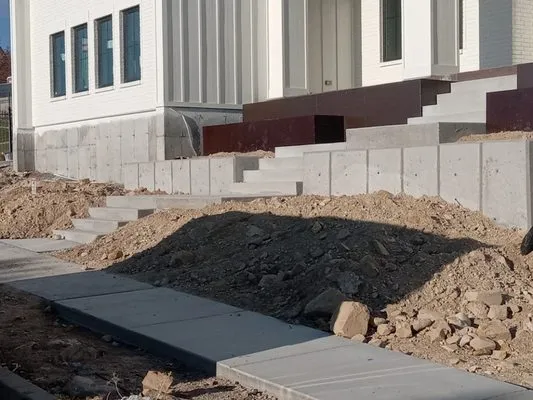
L&L Construction is a trusted, locally-owned contractor serving Vernal and the surrounding Uinta Basin for over two decades. With a foundation built on over 20 years of hands-on experience, we special...
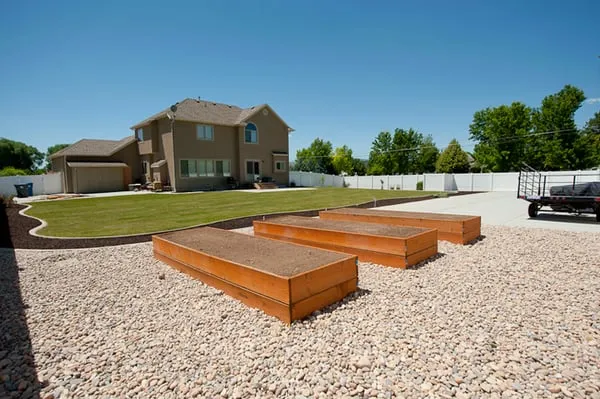
Edge Landscaping is your dedicated partner for creating and maintaining beautiful, functional outdoor spaces in Neola and throughout Utah County. As a licensed landscaping company, we combine thoughtf...
Lawn Works is your local, full-service landscaping and lawn care partner in Vernal, Utah, dedicated to elevating the beauty and health of your outdoor spaces. We believe quality is above all else, whi...
Humble Hand's is a trusted, local handyman service based in Vernal, UT, specializing in landscaping, home cleaning, and general property maintenance. We understand the unique challenges Vernal homeown...
Hone's Yard Care is a trusted lawn service provider in Vernal, UT, dedicated to helping homeowners maintain beautiful, healthy outdoor spaces. We specialize in comprehensive lawn care solutions that a...

Elements Lawn Care and Exterior Services LLC is your local partner for maintaining a healthy and beautiful property in Roosevelt, UT. As a dedicated local business, we provide expert landscaping, reli...
Adam Oaks Lawn Service Clean Ups and Repair is a trusted local lawn care provider in Vernal, UT, specializing in addressing common landscaping challenges faced by homeowners in the area. They focus on...
Big Jim's Tree Service is your trusted local expert for landscaping and tree care in Vernal, UT. We understand that local homeowners often face challenges like irrigation timer failures and dry lawn p...
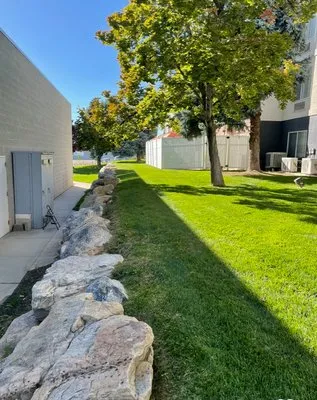
At Epic Lawns & Enhancements, we're your Roosevelt neighbors dedicated to creating beautiful and resilient outdoor spaces. We understand the local environment, from the need for durable landscaping th...
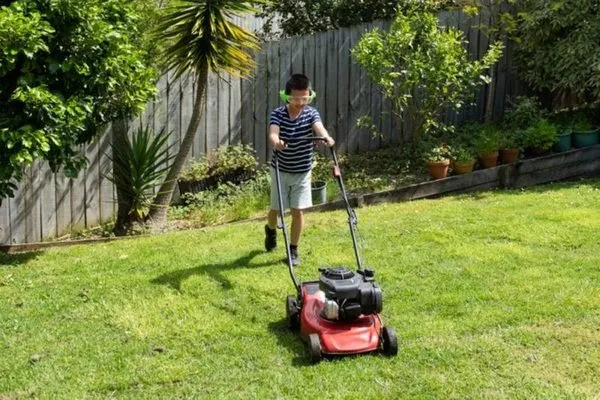
Zaydan Mowing is a Vernal-based lawn care service dedicated to helping local homeowners maintain healthy, resilient yards in the face of common regional challenges. We specialize in addressing issues ...
Estimated Landscaping Service Costs in Naples, UT
Q&A
What permits and credentials are needed for regrading our half-acre lot?
Significant earthwork on a 0.45-acre lot typically requires a grading permit from the Uintah County Community Development office to ensure proper erosion control and drainage. The contractor must hold a license through the Utah Department of Commerce Division of Professional Licensing. This guarantees they are bonded, insured, and knowledgeable about state codes, protecting you from liability and ensuring the work meets all structural and environmental standards.
What invasive weeds should we watch for, and how do we control them?
In our area, watch for aggressive perennials like Field Bindweed and Myrtle Spurge. Manual removal is effective for small infestations. For larger issues, targeted, state-compliant herbicide applications are timed for active growth phases, strictly avoiding the winter application blackout period mandated by Utah's nutrient management law. Always combine control with soil health practices, like mulching with compost, to help native plants outcompete invaders.
Our soil feels hard and water runs right off. What's wrong with it?
Properties in Naples City Center, built around 2002, have 24-year-old landscapes. The alkaline sandy loam, with a pH of 8.1, was likely compacted during construction and has matured without sufficient organic input. This combination creates poor soil structure, low water retention, and limited microbial activity. To correct this, we recommend core aeration and incorporating well-composted organic matter to lower pH, improve permeability, and build a healthy soil biome.
Can you respond quickly for emergency storm damage or an HOA violation notice?
Yes. For urgent service in the Naples City Center area, our dispatch routes from our base near Naples City Park directly onto US-40. This allows a consistent 20-30 minute response time, even during peak hours, for tasks like debris clearing, branch removal, or turf repair to address compliance issues. We coordinate with local authorities when necessary to ensure efficient site access and resolution.
Should we use wood or stone for a new patio or fire-wise zone?
For durability and fire resilience, native river rock or crushed limestone is superior to wood. These materials are non-combustible, require no sealing, and withstand freeze-thaw cycles. In Naples's Moderate Wildland-Urban Interface rating, using stone for patios, pathways, or a 30-foot defensible space zone directly reduces fire fuel. It also complements the local aesthetic and integrates seamlessly with the existing alkaline soil conditions.
Is there a lower-maintenance alternative to our weekly-mowed lawn?
Transitioning to a xeriscape with native plants like Rabbitbrush, Basin Big Sagebrush, and Indian Ricegrass drastically reduces water, mowing, and chemical inputs. This climate-adapted landscape thrives in Zone 5b and supports local pollinators. It also future-proofs your property against tightening noise ordinances, as it eliminates the need for frequent gas-powered mowing and blowing, aligning with the shift toward quieter, electric maintenance fleets.
We have erosion and salty soil on a slope. What's the fix?
Alkaline sandy loam on slopes has high erosion risk and poor salt leaching. The solution integrates grading to slow water flow and installing French drains lined with washed gravel. For hardscapes, use permeable crushed limestone or native river rock to increase infiltration, which also helps flush salts. These measures manage runoff to meet Uintah County standards and protect your landscape's foundation from washout and salt damage.
How do we keep our Kentucky Bluegrass green during voluntary water conservation?
Smart Wi-Fi ET-based controllers are essential. They automatically adjust watering schedules based on real-time evapotranspiration data, soil moisture, and local weather, applying water only when needed. This technology can reduce water use by 20-30% while maintaining turf health, perfectly aligning with Stage 1 conservation goals. Properly calibrated, it ensures deep root hydration without exceeding municipal guidelines or wasting resources on our sandy soil.
