Top Landscaping Services in Mountain Green, UT, 84050 | Compare & Call
There are 13 landscaping companies server in Mountain Green UT

Belt's Landscaping is a trusted Ogden-based company specializing in comprehensive landscaping and irrigation solutions for local homeowners. We address common local challenges like yard erosion and sp...
At SC Landscaping, we believe a successful project starts with you, the homeowner. Based in Layton with over ten years of experience, we specialize in turning your specific vision for your yard into r...
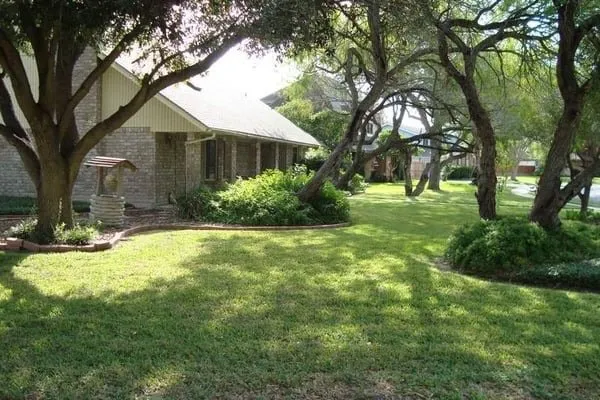
Lakeview Lawn is a dedicated landscaping company serving the Layton, UT community. We specialize in diagnosing and solving the common local issues of dead lawn areas and dry patches. Our team understa...
Estimated Landscaping Service Costs in Mountain Green, UT
Questions and Answers
What permits and licenses are required for regrading my half-acre property?
Significant grading work on a 0.45-acre lot in Morgan County requires a permit from the Planning & Development office to ensure compliance with erosion control and drainage plans. The contractor performing this work must hold appropriate licensing through the Utah Division of Professional Licensing (DOPL), typically a Specialty Contractor license. This licensing verifies insurance, bonding, and competency in earthwork that affects structural integrity and water management. Unlicensed grading can lead to slope failure, violation notices, and costly remediation orders.
How can I keep my Kentucky Bluegrass healthy during Stage 1 water restrictions?
Wi-Fi ET-based smart controllers are essential for managing Kentucky Bluegrass cultivars under voluntary conservation. These systems automatically adjust runtime based on real-time evapotranspiration data from local weather stations, applying water only as needed. Properly calibrated, they can reduce water use by 20-30% compared to traditional timers. This technology is the most effective method for preserving turf health within municipal water budgets, as it prevents overwatering and aligns irrigation with actual plant demand.
What invasive weeds should I watch for, and how do I control them safely?
Primary invasive species alerts for Zone 6a include Myrtle Spurge, Cheatgrass, and Leafy Spurge. Manual removal is preferred, but for persistent infestations, targeted spot-treatment with glyphosate or triclopyr is effective. All applications must adhere to Utah's guidance on phosphorus runoff prevention, avoiding treatments before forecasted rain to protect watersheds. It is critical to follow label instructions precisely and be aware of any local blackout dates for fertilizer and herbicide use to maintain environmental compliance.
My yard has significant runoff and slope instability. What's the best solution?
High runoff on sloped, calcareous silty clay loam is a common drainage hazard in Mountain Green's alluvial fans. The primary solution involves regrading to create swales and redirect water flow, coupled with installing permeable hardscapes. Using native Wasatch Range quartzite or permeable concrete for patios and walkways increases ground absorption and meets Morgan County Planning & Development's runoff standards. These materials allow stormwater to infiltrate locally, reducing erosion and slope instability significantly.
How quickly can you respond to an emergency cleanup after a windstorm?
Emergency dispatch for storm debris in Mountain Green Estates typically requires 45-60 minutes during peak response windows. Our route originates near the Cottonwood Canyon Road & Old Highway Road landmark, proceeding east on I-84 to your neighborhood. This timeframe accounts for high traffic volume and potential weather-related delays on the interstate. We coordinate directly with HOA managers to prioritize safety hazards and ensure compliance with community standards for rapid site stabilization.
Is quartzite or permeable concrete better than wood for a new patio?
Native Wasatch Range quartzite and permeable concrete offer superior longevity and fire resistance compared to wood. In this High Fire Wise (WUI Zone 2) area, these non-combustible materials are mandated for defensible space within 30 feet of structures. Quartzite provides a permanent, low-maintenance surface with natural drainage, while permeable concrete manages runoff effectively. Both options meet critical safety codes for wildfire mitigation and will not decay or require the chemical treatments needed for wooden decks.
What are the long-term benefits of replacing some lawn with native plants?
Transitioning high-maintenance turf to a palette of Rocky Mountain Penstemon, Blue Flax, and Serviceberry reduces water consumption, mowing frequency, and nutrient inputs. This shift aligns with evolving municipal standards anticipating tighter restrictions on gas-powered equipment due to noise ordinances. Native plantings establish deeper root systems that stabilize slopes, support local pollinators, and enhance biodiversity. This approach creates a resilient, low-input landscape that stays ahead of regulatory trends and reduces long-term maintenance costs.
Why does my lawn seem to have such poor soil structure, and what can I do about it?
Properties built around 2010 in Mountain Green Estates have soils approximately 16 years post-construction. Calcareous silty clay loam, common in alluvial fan areas, compacts heavily under machinery and foot traffic. This compaction severely limits soil percolation and root penetration, creating a dense, water-resistant layer. Core aeration, followed by top-dressing with compost, is critical to introduce organic matter and improve permeability. Without this intervention, turfgrass and landscape plants will struggle to access water and nutrients effectively.
