Top Landscaping Services in Midvale, UT, 84047 | Compare & Call
There are 212 landscaping companies server in Midvale UT
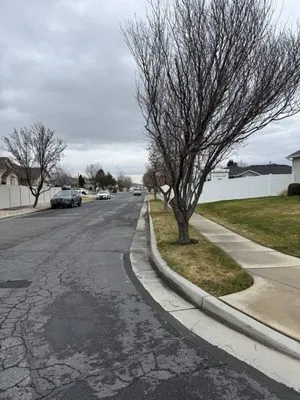
Strong Roots Co. is a locally owned tree service and landscaping company based in West Jordan, UT, founded by industry professionals who saw a need for reliable, safe, and affordable care. After exper...
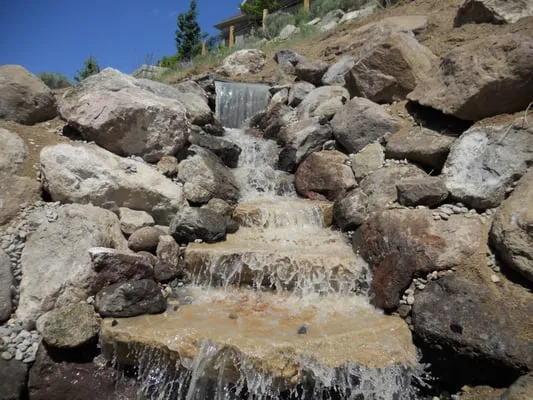
Rock and Walls of Utah
Rock and Walls of Utah is a family-owned landscaping company rooted in Herriman, with over 20 years of hands-on experience transforming local yards. Founded by an owner who started building rock walls...
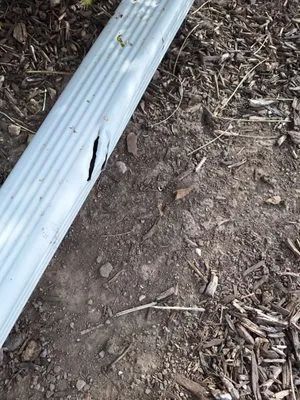
Steve-N-Son Landscaping has been a trusted South Jordan landscaping partner since 1993. We understand the specific challenges of our local climate and soil, from managing sprinkler coverage gaps to re...
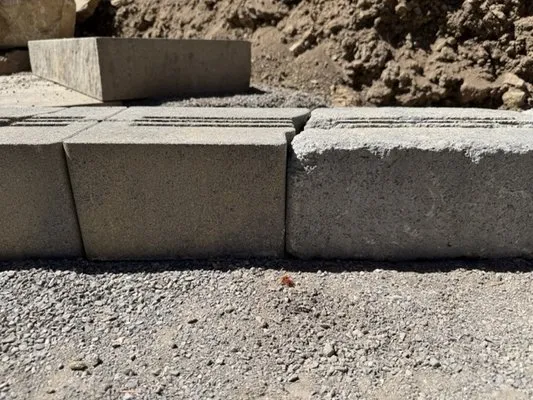
Land Design By Armstrong
Land Design By Armstrong is a locally owned and operated landscape design firm founded in Salt Lake City and Park City, Utah. With deep roots in the Holladay community, they specialize in comprehensiv...

B&B Mowing Maintenance and More has been serving Sandy, UT, and surrounding communities since 2010, growing from a small lawn service into a trusted, year-round landscaping operation. Fully licensed, ...
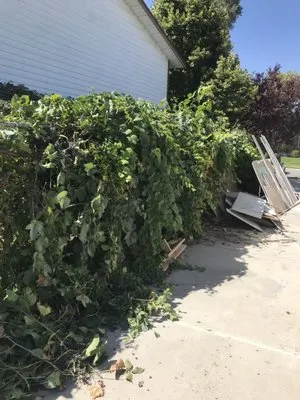
Rich Lawns, LLC is a trusted, full-service provider in Taylorsville, UT, specializing in both property enhancement and cleanup. We offer comprehensive landscaping services, from routine lawn maintenan...
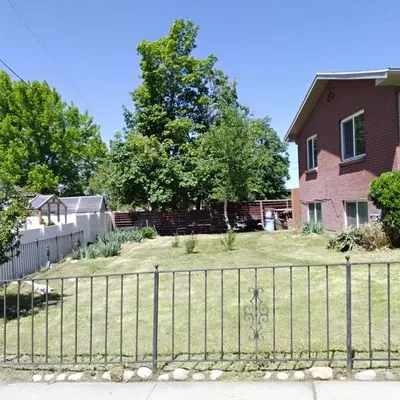
Alberto AA Landscaping is a full-service Kearns, UT company dedicated to creating and maintaining beautiful, resilient outdoor spaces. We specialize in everything from earthmoving and irrigation to tr...
Wandering Husky Landscaping provides lawn care services to West Valley City residents. We focus on practical solutions for common local landscape issues, like irrigation leaks and tree root damage, wi...
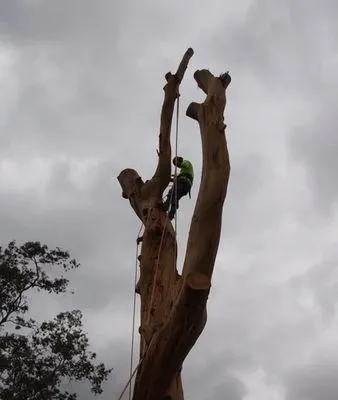
Jireh Landscaping is a full-service Sandy, UT, company dedicated to creating and maintaining beautiful, functional outdoor spaces for local homeowners. We understand the common challenges in our area,...
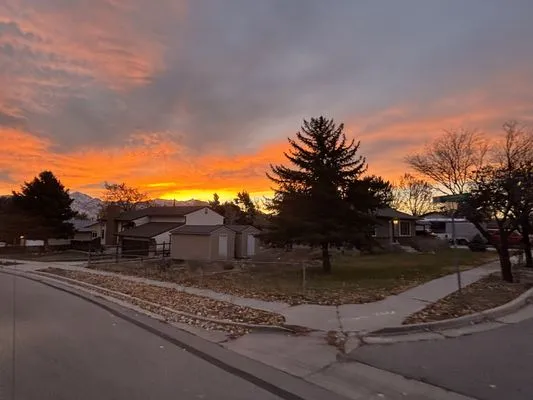
Hibiscus Landscaping Services is a locally owned and operated family business proudly serving West Jordan and the greater Salt Lake County area. For over a year, we have been dedicated to providing re...
Estimated Landscaping Service Costs in Midvale, UT
Q&A
Are permeable concrete pavers a better long-term choice than wood for a new patio?
Yes. Permeable concrete pavers offer superior longevity and functionality in Utah's climate. They resist frost heave, will not rot or splinter, and their permeability directly mitigates the site's runoff hazard. For properties in Moderate (WUI Zone 2) fire-risk areas, they provide a non-combustible, defensible space material. Their durability often results in a lower lifecycle cost compared to maintaining or replacing wooden structures.
My yard pools water and creates a muddy mess. What's the cause and a lasting fix?
High runoff in Midvale is typically caused by sodic soil compaction, where sodium particles collapse soil pores. This prevents percolation. A durable solution integrates subsurface drainage with surface grading toward permeable concrete pavers. These pavers meet Midvale Community Development Department's stormwater standards by allowing infiltration. Combining this with gypsum applications to displace sodium corrects the underlying soil chemistry.
How quickly can you respond for an urgent HOA violation notice or post-storm cleanup?
Emergency and compliance services dispatch from our central yard near Midvale City Park. Using I-15, our electric fleet navigates peak traffic for a 20-30 minute arrival in Midvale City Center. We prioritize debris removal and turf repair to meet HOA aesthetic codes. Our quiet, battery-powered equipment allows work within the city's 10 PM to 7 AM noise ordinance, providing flexible scheduling for urgent needs.
Do I need a permit to regrade my yard, and what type of contractor should I hire?
Regrading a 0.22-acre lot often requires a permit from the Midvale City Community Development Department to ensure drainage plans comply with city code. The work must be performed by a contractor licensed by the Utah Division of Professional Licensing (DOPL) for landscaping or excavation. This licensing guarantees they carry proper bonding and insurance, protecting you from liability for improper drainage that could affect neighboring properties.
With Stage 2 water restrictions, how do I keep my Kentucky Bluegrass alive without wasting water?
EPA WaterSense certified, Wi-Fi ET-based controllers are the standard solution. They adjust runtime daily using local evapotranspiration data, applying water only when the turf needs it. For Kentucky Bluegrass low-water cultivars, this can reduce usage 20-30% while maintaining canopy health. Properly calibrated systems avoid runoff on compacted soils and keep you in compliance with Salt Lake County's voluntary conservation targets.
What are the most aggressive weeds here, and how do I treat them safely?
Invasive species alerts for Midvale include Myrtle Spurge and Cheatgrass. Manual removal before seed set is most effective. For chemical control, use selective, phosphorus-free herbicides to comply with statewide fertilizer restrictions. Always apply during calm, cool mornings to minimize drift. Treating in early spring or late fall avoids summer blackout dates designed to protect watersheds from nutrient runoff.
Is there a lower-maintenance, eco-friendly alternative to my traditional lawn?
Transitioning to a xeriscape with Utah natives like Rocky Mountain Penstemon, Blue Flax, and Serviceberry significantly reduces water, mowing, and chemical inputs. These plants are adapted to Zone 7b and alkaline soils. This shift preempts evolving noise ordinances targeting gas-powered blowers and mowers. The resulting landscape supports local pollinators and meets 2026 biodiversity benchmarks for the urban wildland interface.
Why does my soil seem so hard and lifeless compared to newer neighborhoods?
Midvale City Center properties, built around 1984, have 42-year-old soil systems. Original alkaline silt loam (pH 7.9-8.2) has compacted under decades of traffic and high-sodium irrigation, reducing permeability. This sodic condition inhibits root growth and microbial activity. Annual core aeration and amendments like elemental sulfur and composted organic matter are necessary to rebuild soil structure and lower pH for healthier plant life.
