Top Landscaping Services in Mapleton, UT, 84660 | Compare & Call

Gomez Landscaping is a full-service landscaping company serving Mapleton, UT, specializing in landscaping, masonry/concrete, and irrigation. We help homeowners transform their outdoor spaces with serv...
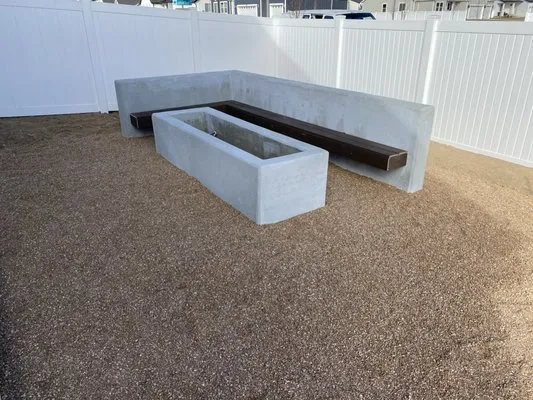
Sprinkler Service Pro LLC has been serving Mapleton and Utah Valley for over 18 years, growing from a one-man sprinkler repair operation into a trusted local provider of comprehensive landscaping and ...

Big Sky Landscaping & Design
Big Sky Landscaping & Design serves homeowners and businesses in Mapleton, UT, with comprehensive landscape solutions. We specialize in custom design and expert installation to address common local ch...
Utah Ponds is a Mapleton-based landscaping company specializing in water feature design and maintenance, helping local homeowners address common irrigation and sprinkler issues. Many homes in Mapleton...
Maple Mountain Construction is a trusted landscaping company serving Mapleton, UT, dedicated to helping homeowners maintain beautiful, functional outdoor spaces. We specialize in addressing common loc...
Haderlie Lawn Care is your trusted local provider for residential lawn care services in Mapleton, UT. We specialize in helping homeowners maintain beautiful, healthy yards in the face of common local ...
Soil Sharks is a licensed and insured general contracting company based in Mapleton, UT, specializing in landscaping, masonry, and concrete work. We provide comprehensive services for residential and ...

Genesis Landscaping helps Mapleton homeowners and businesses achieve a healthy, vibrant outdoor space. We understand that local soil conditions and irrigation challenges require specific expertise. Ou...
South Valley Borders is a Mapleton-based landscaping company dedicated to solving common local yard challenges. We specialize in creating durable, beautiful outdoor spaces that withstand Utah's unique...
Questions and Answers
Do I need a permit to regrade my backyard, and what kind of contractor should I hire?
Regrading a 0.50-acre lot, especially on the North Bench's sloping terrain, almost always requires a grading permit from Mapleton City Planning & Zoning to ensure proper drainage and erosion control. You must hire a contractor licensed by the Utah Department of Commerce - Division of Occupational and Professional Licensing for excavation or landscaping. This ensures they carry the required liability insurance and understand state codes, protecting you from subsidence or runoff damage liability.
My yard soil seems compacted and nothing grows well. Is this typical for newer Mapleton homes?
Soil compaction is a common issue in Mapleton North Bench, where many homes were built around 2001. This creates a 25-year-old soil profile that remains immature and unamended. The native alkaline calcareous loam (pH 7.9-8.2) is naturally dense and low in organic matter, which restricts root growth and water percolation. Annual core aeration and the incorporation of compost are essential practices to improve soil structure and biological activity for long-term landscape health.
Is Wasatch Sandstone a better choice than a wood deck for a new patio, considering wildfire risk?
For longevity and fire resilience in Mapleton's High Wildland-Urban Interface (WUI Zone 2), split-face Wasatch Sandstone is a superior choice. As a non-combustible material, it contributes directly to defensible space requirements. Unlike wood, it requires no sealing, resists frost heave, and will not decay or attract pests. Its natural thermal mass also moderates patio temperature more effectively than composite or wooden surfaces.
Will my Kentucky Bluegrass survive if we have to follow stricter water conservation rules?
Yes, low-water cultivars of Kentucky Bluegrass can be maintained effectively under Stage 1 voluntary conservation and potential future restrictions. Modern Wi-Fi ET-based weather sensing irrigation controllers are the key technology. They automatically adjust run times based on real-time evapotranspiration data, applying water only when the turf needs it. This precise approach often uses less water than a fixed schedule while preserving turf health and meeting municipal water budgets.
Myrtle spurge and cheatgrass are taking over a garden bed. How do I remove them without harming my other plants?
Myrtle spurge is a toxic, invasive alert species requiring careful manual removal with gloves, ensuring all taproot is extracted. For cheatgrass, a pre-emergent herbicide applied in very early spring before germination is most effective, but timing is critical to avoid Utah's Phosphorus Application Regulations blackout dates. Always follow label instructions precisely and consider soil temperature rather than calendar date for application to prevent nutrient runoff into waterways.
Water runs straight off my sloped yard. What's a permanent solution that will also look good?
High runoff on sloped, alkaline loam is a significant erosion hazard. A tiered solution combines subsurface French drains with surface swales planted with deep-rooted natives to slow and absorb water. For hardscape areas, using permeable jointing techniques with local split-face Wasatch Sandstone can meet Mapleton City Planning & Zoning runoff standards by allowing infiltration rather than directing water to the storm drain.
How quickly can a crew respond for an emergency cleanup after a major windstorm?
A crew can typically be dispatched within 20-30 minutes during a peak storm event from a staging area near Mapleton City Park. The primary route uses US-89 for efficient access to the North Bench neighborhood. This rapid response window is critical for HOA compliance and to mitigate immediate hazards like downed limbs or blocked drainage paths before secondary damage occurs.
I'm tired of weekly mowing and loud gas equipment. What's a quieter, lower-maintenance alternative?
Transitioning high-maintenance turf areas to a xeriscape of regionally native plants like Cliffrose, Rocky Mountain Penstemon, and Blue Flax dramatically reduces mowing and watering needs. This aligns with forward-looking noise ordinance trends phasing out gas-powered blowers. An established native planting requires minimal maintenance with electric trimmers, eliminates weekly mowing, and provides superior habitat value, staying ahead of 2026 biodiversity and conservation standards.
