Top Landscaping Services in Magna, UT, 84044 | Compare & Call
There are 189 landscaping companies server in Magna UT
Superior Rockwork is a locally owned and operated landscaping company with over 20 years of experience building and maintaining outdoor spaces throughout Utah. Based in Magna, we specialize in creatin...
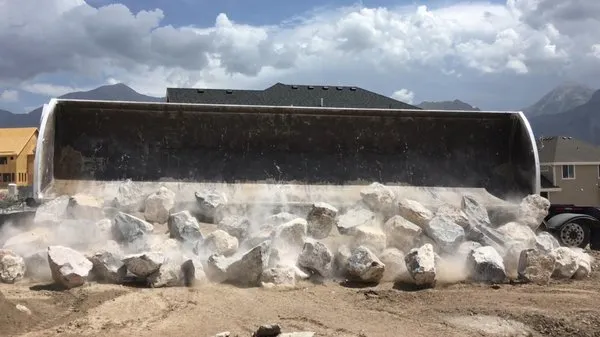
Extreme Rockwalls and Landscaping
Extreme Rockwalls and Landscaping is a licensed and insured landscaping company serving Magna, UT, and the surrounding areas for over 15 years. Founded on a commitment to quality and durability, we sp...
Juane's Landscaping has been serving the Magna and greater Salt Lake City area for 18 years, providing reliable residential and commercial landscaping services. We specialize in sprinkler and irrigati...
Handymans Landscaping is your trusted, local partner for transforming outdoor spaces in Magna, UT. We understand the common challenges homeowners face, such as stubborn weed infestations and unsightly...
Wasatch Landscape & Snow Removal is a trusted, full-service landscaping company serving Magna, UT and surrounding areas. We specialize in comprehensive solutions including irrigation design and constr...
BMA Landscaping is a trusted Salt Lake City contractor specializing in landscaping, masonry, and fencing. We understand the unique challenges local homeowners face, from heavy clay soil compaction tha...
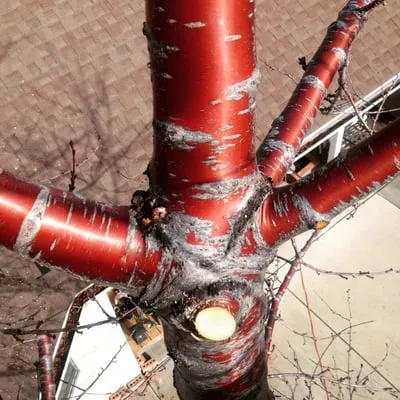
Serving Magna and the surrounding Wasatch Front, Simply Trees is a full-service landscaping company dedicated to creating and maintaining healthy, beautiful outdoor spaces. We specialize in everything...
At Lakeside Lawn and Yard in Magna, we're your local, hands-on partner for a healthier yard. We believe in clear communication and a collaborative approach. You tell us what you envision for your outd...
Antonio Landscape and Maintenance is a trusted local landscaping company serving Magna, UT homeowners. We specialize in addressing common local landscaping challenges like sprinkler coverage gaps that...
Estimated Landscaping Service Costs in Magna, UT
Common Questions
With Stage 1 water conservation, how can I keep my Kentucky Bluegrass healthy without wasting water?
Wi-Fi ET-based weather sensing controllers are the precise tool for this. They automatically adjust irrigation schedules by using local evapotranspiration data, applying water only when the turf needs it. This technology can reduce water use by 20-30% compared to traditional timers, keeping your lawn healthy while adhering to Magna's voluntary conservation goals. Properly calibrated, it prevents both underwatering and the excessive runoff that exacerbates alkaline crusting.
A storm damaged trees and I need an emergency cleanup to meet HOA rules. How quickly can a crew arrive?
For an emergency compliance cleanup, our dispatch from Magna Regional Park via UT-201 allows for a targeted response. Accounting for typical peak traffic conditions, a crew with necessary chippers and loaders can be on-site within 25 to 35 minutes. We coordinate directly with your HOA to ensure the scope of work meets their specific debris and safety standards immediately.
Our Magna home is from the 1980s. Why does the soil seem so dense and hard to work with?
Homes built around 1982, common in the Magna Main Street District, have soils that have matured for over 40 years. The native alkaline silt loam, with its high pH of 7.9-8.3, naturally compacts over time, especially under traditional lawn irrigation. This compaction reduces soil percolation and encourages surface crusting. Annual core aeration and the addition of organic compost are essential to mitigate this and improve root zone health.
I'm tired of weekly mowing and noisy gas blowers. Are there quieter, lower-maintenance options?
Yes, transitioning to a climate-adaptive landscape with native plants like Blue Grama grass, Palmer Penstemon, and Apache Plume drastically reduces maintenance. These species require no mowing, minimal water, and support local pollinators. This shift also future-proofs your property against tightening noise ordinances that restrict gas-powered equipment. An established native garden eliminates the need for weekly lawn care, aligning with 2026 sustainability and biodiversity practices.
We want to regrade our backyard for better drainage. What permits and contractor qualifications are needed?
Regrading a 0.21-acre lot typically requires a permit from Salt Lake County Planning & Development Services to ensure proper drainage flow and compliance with erosion control standards. The contractor must hold specific licensing through the Utah Department of Commerce - DOPL for landscaping or excavation work. This ensures they are bonded, insured, and knowledgeable about local soil conditions and legal grade changes, protecting you from liability and substandard work.
Water pools in my yard and leaves a white, chalky residue. What's causing this and how do I fix it?
The pooling and white crust are classic signs of high runoff on alkaline silt loam soil. The crust forms as water evaporates, leaving dissolved salts behind. The solution involves improving permeability: first, aerate the soil and amend with gypsum to help break up the crust. For new patios or paths, using permeable crushed Wasatch Granite allows water to infiltrate, meeting Salt Lake County's runoff management standards and solving the pooling issue.
Is crushed granite a better choice than wood mulch for a new patio area near the foothills?
For durability and fire safety, crushed Wasatch Granite is superior. Unlike wood mulch, it is inorganic, non-combustible, and will not decompose or blow away. In Magna's Moderate Fire Wise rating zone due to WUI proximity to the Oquirrh foothills, using non-flammable materials like granite for hardscaping creates critical defensible space. It also provides excellent drainage and a stable, long-lasting surface that integrates with the local geology.
I've spotted Myrtle Spurge and Russian Knapweed. How do I remove them safely?
Myrtle Spurge and Russian Knapweed are serious invasive species alerts in Utah. Manual removal with gloves is effective for small infestations, ensuring you get the entire root. For larger areas, a targeted, systemic herbicide applied in late spring when plants are actively growing is necessary. Critically, any application must avoid frozen or saturated ground to comply with the local fertilizer ordinance, which prohibits phosphorus applications under those conditions to protect watersheds.
