Top Landscaping Services in Lake Shore, UT, 84660 | Compare & Call
There are 195 landscaping companies server in Lake Shore UT
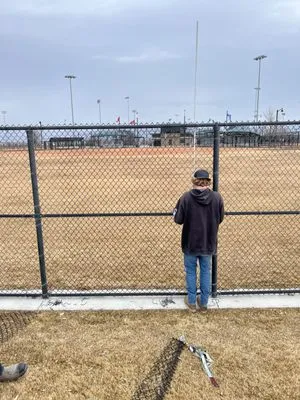
AAJ Construction is a trusted, full-service contractor serving Saratoga Springs, UT, specializing in fencing, irrigation, and landscaping. We understand the common challenges local homeowners face, su...
At Utah Backyard Creations in Herriman, we specialize in turning your backyard into a space for family fun. We install high-quality swing sets from local manufacturers and offer custom designs to fit ...
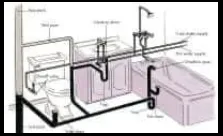
Lutua Construction is a trusted, West Jordan-based general contractor specializing in plumbing and landscaping solutions for local homeowners. We understand that many homes in our community face persi...
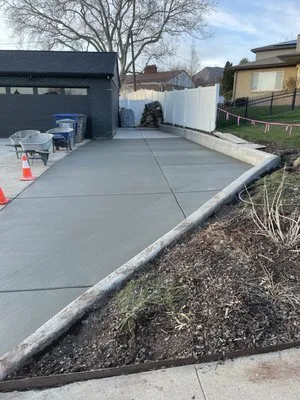
Razorback Concrete is your local West Jordan expert for durable, professional concrete work and reliable property maintenance. As an ACI-certified professional with over 14 years of specialized flatwo...
For over two decades, Bestyards Landscaping has been building and maintaining outdoor spaces throughout West Jordan and the Salt Lake Valley. Founded on a perfectionist's attention to detail and a han...
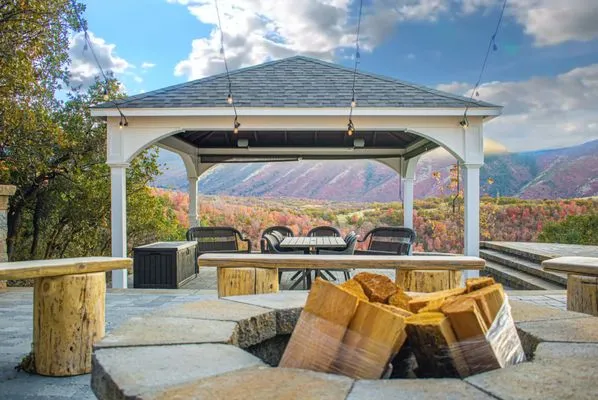
Chopper Landscaping
Chopper Landscaping is a licensed and insured landscaping contractor serving South Jordan, UT, with comprehensive services including landscape design, hardscaping, irrigation, and maintenance. Special...
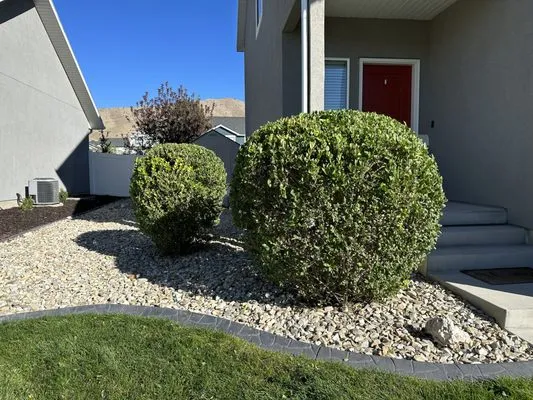
Bee Garden Landscape is a local landscaping service in Eagle Mountain, UT, specializing in eco-friendly garden design and maintenance. We focus on sustainable practices to enhance outdoor spaces, offe...
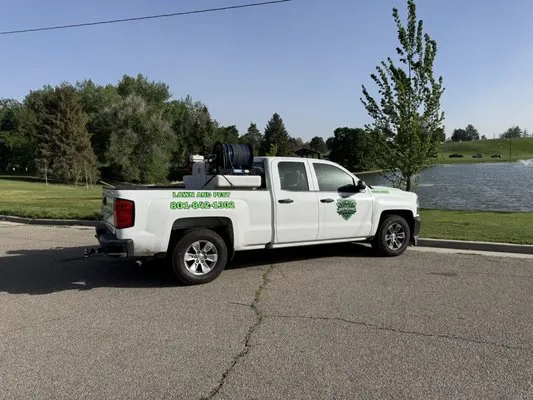
GreenGuard Lawn and Pest Solutions is a local, family-owned business serving Millcreek, UT, with reliable lawn care and pest control. Founded by Utah native Caden Childrey, the company grew from a sid...
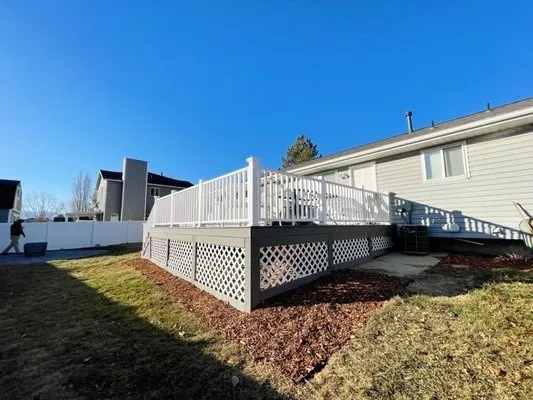
Cooley Landscaping is a full-service landscaping company serving Highland, UT, specializing in both construction and maintenance to create beautiful, functional outdoor spaces. We help local homeowner...
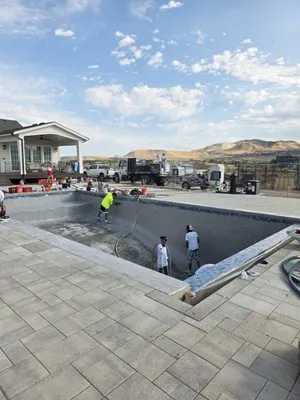
Circle Point in Lehi, UT, specializes in comprehensive pool and hot tub service to help local homeowners maintain their outdoor living spaces. While our primary focus is on pristine water quality, eff...
Estimated Landscaping Service Costs in Lake Shore, UT
Common Questions
Our yard pools water after rain. What's the best solution for our soil type?
Alkaline silt loam in Lake Shore has notoriously slow infiltration rates. The primary solution is to improve subsoil permeability by fracturing or using a deep-tine aerator, followed by amending with gypsum and compost. For new installations, specifying permeable concrete pavers for patios or walkways creates a managed infiltration point, helping to meet Utah County Planning and Zoning standards for on-site stormwater management and reducing surface runoff.
How quickly can you respond to an emergency like a storm-damaged tree blocking a driveway?
For urgent HOA compliance or safety issues, our standard dispatch originates near Lake Shore Park. Using I-15, we can typically reach most addresses in the Lake Shore Residential District within the 45-60 minute window noted for peak storm response. This routing accounts for real-time traffic data to ensure the fastest possible arrival with necessary equipment for immediate debris management and mitigation.
Why is professional licensing so important for grading and drainage work on our half-acre lot?
Altering the grade on a 0.50-acre parcel affects stormwater flow and can impact neighboring properties, triggering Utah County Planning and Zoning review. A contractor licensed by the Utah Division of Professional Licensing (DOPL) is legally required for this work, ensuring they carry the necessary insurance, understand soil mechanics, and will secure required permits. This protects you from liability for runoff damage and ensures the work meets engineered standards for stability and drainage.
Are permeable pavers a better long-term choice than wood decking for our area?
Yes, for durability and fire resilience. Permeable concrete pavers have a lifespan exceeding 25 years with minimal upkeep, unlike wood which requires regular sealing and is susceptible to rot. For properties in the Moderate (WUI Zone 2) fire risk rating, pavers provide critical non-combustible defensible space immediately adjacent to the home. Their permeability also addresses the core drainage hazard of slow infiltration common to local soils.
Why does our soil seem so compacted and poor here in Lake Shore?
Homes built in 1996, like many in the Lake Shore Residential District, are now on 30-year-old landscapes where original subsoil fill and construction compaction remain. Alkaline silt loam naturally has low organic matter and slow permeability, which decades of standard maintenance have exacerbated. This history explains the hardpan layer and poor percolation you observe. Core aeration and deep incorporation of composted organic matter are necessary to rebuild soil structure and microbial activity.
What invasive weeds should we watch for, and how do we treat them safely?
In USDA Zone 6b, watch for Myrtle Spurge and Cheatgrass, which thrive in disturbed, alkaline soils. Treatment involves targeted post-emergent herbicide application during active growth phases, strictly avoiding periods when the ground is frozen or saturated to comply with local fertilizer and pesticide ordinances. For long-term control, promoting dense ground cover with competitive natives like Rocky Mountain Penstemon is essential to resist reinvasion.
We want to reduce mowing and gas equipment noise. What are our options?
Transitioning perimeter or low-use zones to a xeriscape of regionally native plants like Rabbitbrush, Desert Globemallow, and Big Sagebrush is a forward-thinking strategy. These species require no weekly mowing, minimal watering once established, and support local pollinators. This shift pre-adapts your property to potential future tightening of noise ordinances on gas-powered blowers and mowers, while significantly cutting maintenance inputs and enhancing ecological function.
How can we keep our Kentucky Bluegrass healthy under Stage 2 water restrictions?
Wi-Fi ET-based weather-sensing irrigation is the precise tool for this mandate. The system automatically adjusts runtime based on local evapotranspiration data, soil moisture, and forecasted rainfall, applying water only when and where the turfgrass root zone requires it. This technology can reduce potable water use by 20-30% while maintaining turf health, aligning perfectly with voluntary conservation goals by eliminating wasteful overwatering cycles.
