Top Landscaping Services in Highland, UT, 84003 | Compare & Call
There are 208 landscaping companies server in Highland UT
Max's Tilling in Highland, UT, is your local solution for restoring and maintaining a healthy landscape. We understand that Highland homeowners frequently face challenges like lawn damage from tree ro...
JAG Services is a landscaping, tree service, and irrigation company serving Alpine, UT, with over 20 years of professional experience in property management and landscape installation. We specialize i...
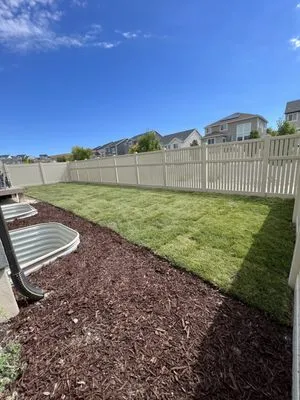
5 Starr Services is a Lehi-based landscaping and property maintenance company specializing in comprehensive solutions for local homeowners. We address common Utah Valley issues like soil compaction an...
Walker & Sons Landscaping is a family-owned and operated lawn care business serving Alpine, UT, for over 30 years. Founded and run by a father and his sons, we've built our reputation on reliability, ...
Valley View Landscaping
Valley View Landscaping is a full-service landscape design and maintenance company serving American Fork, UT. We specialize in creating sustainable, beautiful outdoor spaces that thrive in our local c...
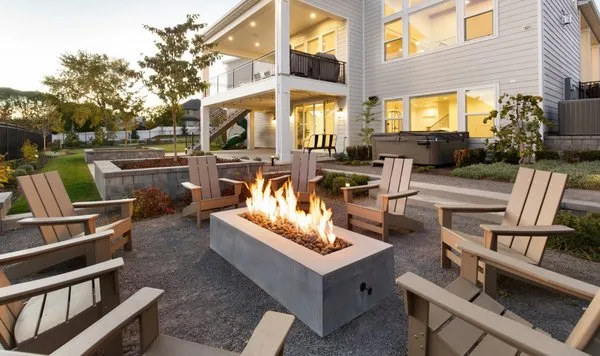
IKON Landscape is your trusted local partner for a healthy, thriving yard in American Fork, UT. We specialize in comprehensive lawn care, expert irrigation systems, and professional tree services. Our...
Genie Green is a trusted lawn care provider serving Draper, UT, specializing in comprehensive lawn services to keep your outdoor space healthy and beautiful. We understand the common local challenges ...

Walco Sprinklers is a locally owned and licensed irrigation service provider in American Fork, UT, specializing in sprinkler system design, installation, repairs, and maintenance. With years of hands-...
Estimated Landscaping Service Costs in Highland, UT
Questions and Answers
Is flagstone or wood a better choice for a new patio in our area?
Permeable flagstone and washed river rock are superior to wood for longevity and fire resilience in Highland's climate. Wood requires constant sealing and deteriorates within 5-10 years. In contrast, stone is permanent and aligns with the Moderate Wildland-Urban Interface (WUI) fire rating by creating a defensible space of non-combustible material. A properly installed flagstone patio also mitigates local drainage hazards by allowing water to permeate, whereas solid concrete or wood decks can exacerbate runoff problems.
What are the long-term benefits of replacing some lawn with native plants?
Transitioning high-maintenance turf to a palette of natives like Rocky Mountain Penstemon, Apache Plume, and Blue Grama grass builds a resilient, low-input landscape. These plants are adapted to Zone 6b conditions, requiring significantly less water and no chemical inputs once established. This approach future-proofs your property against evolving noise ordinances targeting gas-powered blowers and mowers. Furthermore, it enhances local biodiversity and provides critical habitat, aligning with 2026 ecological landscaping standards.
How quickly can you respond to an emergency like a fallen tree after a storm?
For urgent situations requiring HOA compliance or safety cleanup, we dispatch a crew from our staging near Highland City Hall. Taking I-15 to the Highland Glen neighborhood allows us to navigate most incidents within a 20-30 minute window during peak response times. This routing is optimized for the typical storm debris patterns and traffic conditions we monitor in real-time. Our fleet readiness ensures we can secure a site and begin safe removal operations promptly.
What invasive weeds should I watch for, and how do I treat them safely?
In Highland, common invasive alerts include Cheatgrass, Field Bindweed, and Myrtle Spurge. Treatment must be precise to avoid harming desirable plants and comply with the local phosphorus-free fertilizer mandate. For perennial weeds, a targeted, systemic herbicide applied at the correct growth stage is often necessary. We never apply treatments during prohibited blackout dates or near waterways. For organic suppression, heavy mulching in mid-April with a coarse wood chip layer can smother many annual weed seeds.
Why is professional licensing so important for grading and drainage work?
Any significant grading on a 0.35-acre lot alters the property's hydrology and can impact neighboring parcels. The Highland City Planning Department requires permits for such work to ensure it complies with erosion and runoff codes. A contractor licensed by the Utah Department of Professional Licensing (DOPL) carries the required bonding and insurance, protecting you from liability. Their expertise is critical for correctly engineering slopes and drainage paths that function long-term and avoid creating legal nuisances or violation notices.
My yard has erosion issues on slopes. What's a lasting solution?
Moderate runoff on sloped lots is a direct result of alkaline silt loam's poor permeability when compacted. The Highland City Planning Department now encourages surface solutions that increase infiltration. Installing permeable flagstone pathways or terraces with washed river rock catch basins interrupts water flow and allows gradual percolation. This strategy addresses the erosion hazard at its source by managing the water volume before it gains destructive velocity, often meeting or exceeding municipal runoff standards.
Why does my soil seem so hard and dry, even after watering?
Homes in the Highland Glen area, built around 1996, have soils that are now 30 years post-construction. This age indicates the underlying alkaline silt loam has been compacted by decades of foot traffic and equipment. A mature soil profile in our 6b zone should have better structure; your current high pH (7.5-8.2) and compaction inhibit water infiltration and root growth. To rehabilitate it, we recommend core aeration in fall and amending with composted organic matter to improve permeability and microbial activity.
How can I keep my lawn green under Stage 2 water restrictions?
Stage 2 conservation is managed effectively with smart, Wi-Fi ET-based irrigation controllers. These systems use local evapotranspiration data to apply water only when your Kentucky Bluegrass or Tall Fescue truly needs it, avoiding the 20-40% waste common with traditional timers. Programming for deep, infrequent watering during early morning hours maximizes uptake and minimizes evaporation. This technology is the definitive method for maintaining turf health within municipal allotments without overdrawing our water budget.
