Top Landscaping Services in Farmington, UT, 84025 | Compare & Call

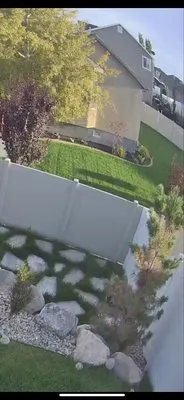
Phelps Landscaping serves Farmington, UT, providing comprehensive outdoor construction and design solutions. We help local homeowners transform their yards into functional, beautiful spaces. A common ...

Hansen Landscape is a trusted local landscaping company serving Farmington, UT, dedicated to solving common residential landscaping problems. Many homeowners in our area face issues like landscape edg...
Green Summit Development is a Farmington-based landscaping and general contracting company dedicated to enhancing outdoor spaces in our community. We specialize in addressing common local issues like ...
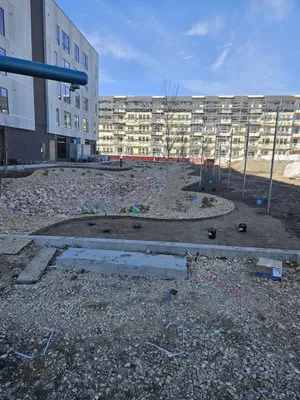
Lawson Landscaping Design and Construction
Lawson Landscaping Design and Construction serves Farmington, UT, with a comprehensive approach to outdoor spaces. Our team handles everything from initial design and irrigation systems to full-scale ...
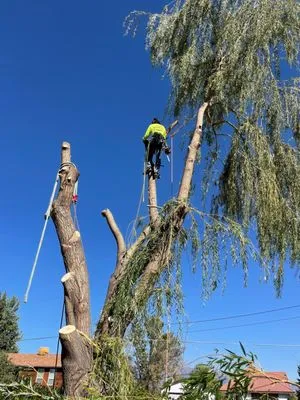
Advanced Tree Service has been serving Farmington, UT and surrounding areas for over 20 years as a licensed and insured provider. Our team of certified arborists delivers professional tree care, snow ...
Advantedge Landscapes is a trusted, Farmington-based landscaping company dedicated to solving the specific challenges homeowners face in our local environment. We specialize in addressing common local...
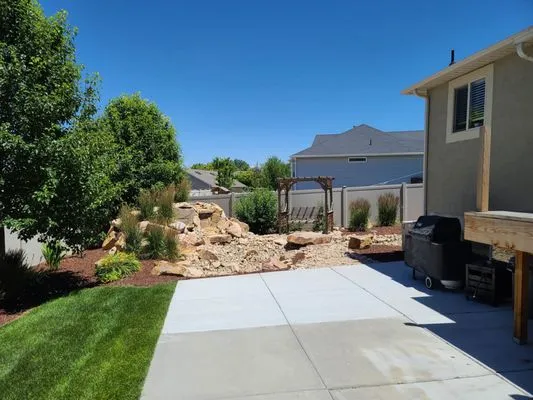
Hot Shot Sprinkler Repair & Landscape - Farmington
Hot Shot Sprinkler Repair & Landscape has been a trusted local presence in Farmington, UT, since 1996. Our team of certified professionals specializes in creating and maintaining healthy, efficient ou...
Iscape Landscaping is a trusted, full-service landscaping company proudly serving Farmington, UT. We specialize in creating and maintaining beautiful, resilient outdoor spaces tailored to our local cl...

Forever Landscapes is a Farmington-based landscaping company with over 15 years of experience serving Utah's Davis County. As licensed and insured professionals, we specialize in creating durable, bea...
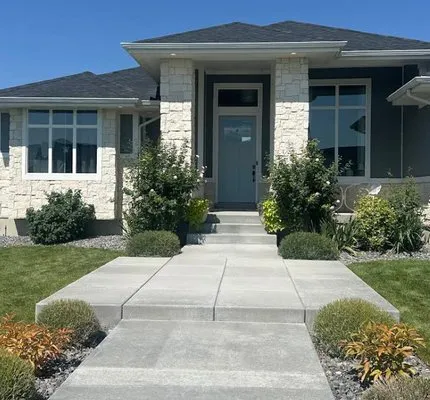
Lawn & Order is your trusted local lawn care provider in Farmington, UT. We specialize in keeping your property healthy and resilient against common local challenges like storm debris cleanup and soil...
Q&A
What's the best solution for erosion and pooling on my sloped lot?
High slopes and localized clay compaction in alkaline soils create rapid runoff and erosion. A tiered approach using permeable washed river rock in drainage swales and segmental concrete pavers for patios increases surface infiltration. These materials meet Farmington City Planning and Zoning standards for stormwater management by reducing impervious surface area. Integrating a French drain system can further intercept subsurface water and redirect it safely away from foundations.
Is permeable rock or wood decking better for longevity and fire safety?
In Farmington's Moderate to High Fire Wise rating zone, non-combustible materials are recommended for defensible space. Permeable washed river rock and segmental concrete pavers offer superior longevity over wood, which requires constant sealing and is vulnerable to rot and ember ignition. These inorganic materials also manage thermal expansion better in our climate and contribute to the required firebreak around structures, a key consideration in the Wildland-Urban Interface.
Can I keep my Kentucky Bluegrass healthy under Stage 2 water restrictions?
Yes, with precise management. Smart Wi-Fi ET-based controllers are essential, as they automatically adjust watering schedules based on real-time evapotranspiration data and local weather. This technology applies water only when the turf needs it, aligning with municipal conservation tiers. Deep, infrequent watering cycles that promote deeper root growth are more effective than frequent shallow watering, helping the grass withstand drier periods within the allotted limits.
Are there lower-maintenance alternatives to my high-water turf?
Transitioning to a climate-adaptive landscape with natives like Blue Grama Grass, Rocky Mountain Penstemon, and Desert Globemallow significantly reduces water, mowing, and chemical inputs. These plants are adapted to local alkaline soils and seasonal drought. This shift also future-proofs your property against evolving noise ordinances, as electric maintenance equipment for these plantings operates quietly within the 7:00 AM to 9:00 PM window and produces zero emissions.
How quickly can a crew respond for emergency storm damage cleanup?
For urgent situations like windthrow or HOA compliance deadlines, our dispatch from the Station Park area via I-15 allows for a 20-30 minute arrival to Farmington Ranches during peak traffic. We prioritize routing around known congestion points to meet this window. Crews are equipped to secure hazardous limbs and initiate cleanup immediately upon arrival to mitigate further property damage.
Why does my lawn struggle despite regular care?
Farmington Ranches homes built around 2001 have soils that are now 25 years into their development cycle. The prevalent alkaline silt loam becomes increasingly compacted over time, restricting root growth and water infiltration. This compaction is exacerbated by standard construction practices, which often involve grading and removing topsoil. Core aeration and the addition of organic compost are critical interventions to improve soil structure and biological activity in these mature landscapes.
What permits and credentials are needed for a patio or regrading project?
Any significant grading or hardscape installation on a 0.25-acre lot typically requires a permit from Farmington City Planning and Zoning to ensure compliance with drainage and setback codes. The contractor must hold appropriate licensing through the Utah Department of Commerce, Division of Occupational and Professional Licensing. This verifies they carry the necessary insurance and bonding, protecting you from liability for improper work that could cause erosion or structural damage to your or a neighbor's property.
How do I manage weeds and pests without using restricted fertilizers?
Invasive species like cheatgrass and bindweed thrive in stressed turf. Control begins with cultural practices—proper mowing height and soil health—to outcompete weeds. Spot-treatment with herbicide should be precise and timed before seeding. Crucially, all turf maintenance fertilizers must be phosphorus-free per local ordinance, focusing instead on slow-release nitrogen and soil amendments to correct imbalances without contributing to algal blooms in watersheds.
