Top Landscaping Services in Draper, UT, 84003 | Compare & Call

All States Landscaping
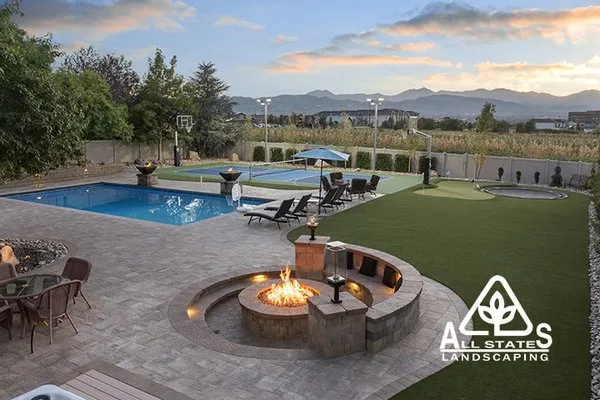
All States Landscaping has been transforming outdoor spaces in Draper, UT, and surrounding Utah communities since 1985. With over 35 years of experience in design/build landscaping, we specialize in c...
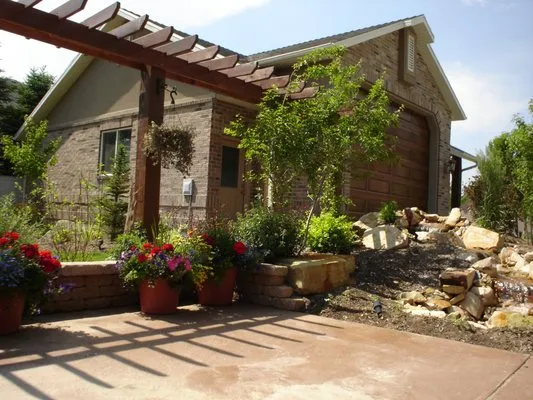
Pebble Creek Design is a Draper-based landscape architecture firm with over two decades of experience transforming Northern Utah properties. Specializing in custom hardscaping and water-efficient desi...
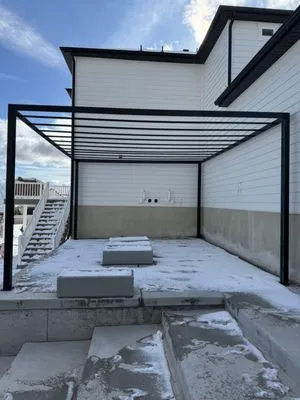
Calvary Luxe Metals is a Draper-based contractor specializing in metal fabrication, landscaping, and masonry/concrete services. Serving the Salt Lake City area, we bring years of experience to custom ...
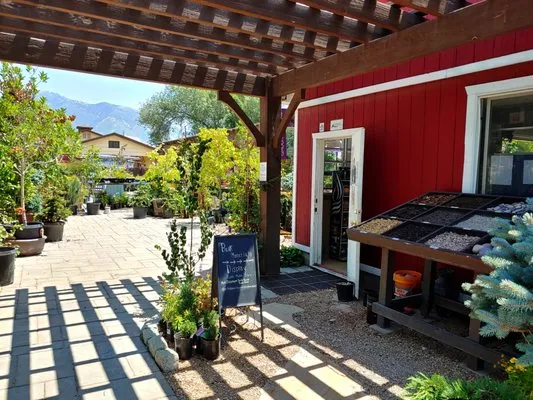
Landscape Supply of Utah is a Draper-based center built to empower DIY homeowners with the quality and knowledge for their landscaping projects. Founded by owner Ken, the business is more than just a ...
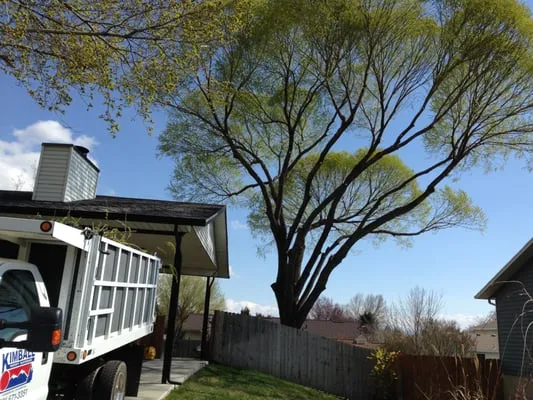
Kimball Property Maintenance
Since 1984, Kimball Property Maintenance has grown from a one-truck operation into a trusted local resource for Draper property owners. Founded by Russell Kimball on the principles of personal relatio...
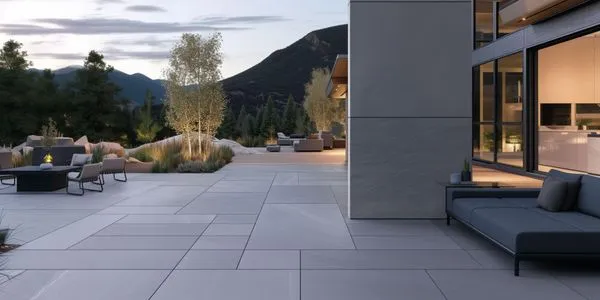
Stone Era in Draper, UT, is a trusted supplier of premium stone products for residential and commercial projects across Utah. We specialize in natural stone, pavers, brick, coping, and floor stone, of...
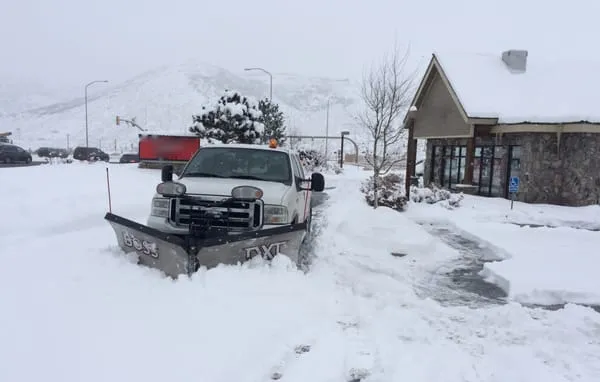
Green Acre Landscape Services in Draper, UT is a full-service landscape management company with deep roots in the community. As a second-generation landscape business, the owner brings both passion an...
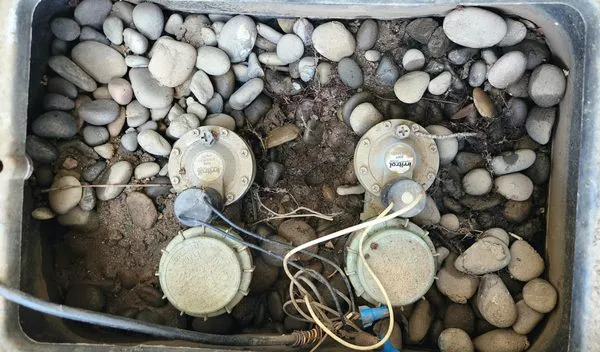
Hot Shot Sprinkler Repair & Landscape
For over 25 years, Hot Shot Sprinkler Repair & Landscape has been a trusted, locally-owned resource for Draper homeowners. Founded in 1996, our team brings nearly four decades of combined expertise to...
Best Sprinkler Co is a Draper-based irrigation and landscaping specialist dedicated to keeping your outdoor spaces healthy and efficient. We provide comprehensive services including irrigation constru...

Valley 3 Landscape is a Draper-based landscaping and masonry company dedicated to solving the common local challenges homeowners face. Many properties in the area struggle with inefficient irrigation ...
FAQs
We have patches of weeds that choke out the grass. How do we treat them without harming the environment or breaking local rules?
First, identify the invasive species; common alerts in Draper include Myrtle Spurge and Cheatgrass. Treatment must be precise to avoid violating the state's phosphorus reduction guidance near water bodies. We use targeted, organic-acid based spot treatments for broadleaf weeds and manual removal for others, strictly avoiding fertilizer or herbicide application during any local blackout dates. Long-term health requires improving soil competition by overseeding with strong turf grass or native ground covers.
A windstorm damaged trees and scattered debris just before an HOA inspection. How quickly can a crew respond for emergency cleanup?
A fully equipped crew can be dispatched from Draper City Park within 15 minutes. Using I-15, the travel time to the Draper Peaks area is a reliable 20-30 minutes, even during peak traffic. We prioritize HOA compliance and safety emergencies, coordinating all work within the city's commercial landscaping hours of 7:00 AM to 9:00 PM. The initial response focuses on securing the site and removing hazards, followed by a detailed debris haul.
We want to regrade our backyard for a patio. What permits and contractor qualifications are required?
Regrading a 0.28-acre lot in Draper typically requires a permit from the Draper City Planning Division, especially for significant earth movement or altering drainage patterns. The contractor must hold a current license with the Utah Department of Commerce, Division of Professional Licensing (DOPL) for residential landscaping. This licensing ensures they are bonded, insured, and understand critical codes related to slope stability, erosion control, and property line setbacks, protecting you from liability and substandard work.
We're tired of weekly mowing and gas blower noise. What's a quieter, lower-maintenance alternative to our lawn?
Transitioning to a climate-adaptive xeriscape with native plants is the definitive solution. Species like Rocky Mountain Penstemon, Desert Four O'Clock, and Fernbush are evolved for Zone 7a, requiring minimal water once established and no weekly mowing. This approach significantly reduces the need for gas-powered equipment, aligning with evolving noise ordinances and electric fleet trends. It also builds biodiversity and creates a fire-resilient landscape appropriate for the Wildland-Urban Interface.
Is a wooden deck or a stone patio better for longevity and safety in our area?
In Draper's high Fire Wise rating zone, non-combustible materials are critical for defensible space. Permeable flagstone or washed river rock patios offer superior longevity without the decay, insect, or fire risks of wood. These materials also address drainage by allowing water percolation, unlike solid concrete. For a 0.28-acre lot, a well-designed stone patio reduces maintenance, complies with fire mitigation codes, and integrates seamlessly with the native landscape for decades.
With Stage 2 water restrictions, how do we keep a Kentucky Bluegrass lawn alive without wasting water?
Stage 2 restrictions mandate tiered watering schedules, which a Wi-Fi, ET-based smart controller manages precisely. This technology adjusts irrigation runtimes daily based on real-time evapotranspiration data, local weather, and soil moisture. For your calcareous clay soil, it will implement deep, infrequent cycles to encourage root growth while preventing runoff. This system is the most effective method for preserving a cool-season turf blend within municipal allotments, often reducing water use by 20-30%.
Water pools against our foundation and erodes the slope. What's a permanent solution for our hilly lot?
Your calcareous silty clay loam has very low infiltration, making slope erosion a high-risk hazard. The solution integrates subsurface and surface management. We would install a French drain system to intercept subsurface water, daylighting it safely away from the foundation. For surfaces, replacing impermeable concrete with permeable flagstone or washed river rock patios increases ground absorption. These strategies collectively manage runoff to meet Draper City Planning Division's drainage and erosion control standards.
Our yard in Draper Peaks is over 20 years old but the soil is hard and nothing grows well. What's the real issue?
The core issue is the age and composition of your soil. Lots developed around 2002, like many in Draper Peaks, typically have calcareous silty clay loam compacted by construction machinery. After 24 years, this soil has matured into a dense, alkaline (pH 7.9-8.2) layer with very poor permeability and organic matter content. To restore function, we must mechanically fracture this layer with core aeration and incorporate 2-3 inches of composted organic matter to improve water infiltration and support microbial life.
