Top Landscaping Services in Cottonwood Heights, UT, 84047 | Compare & Call

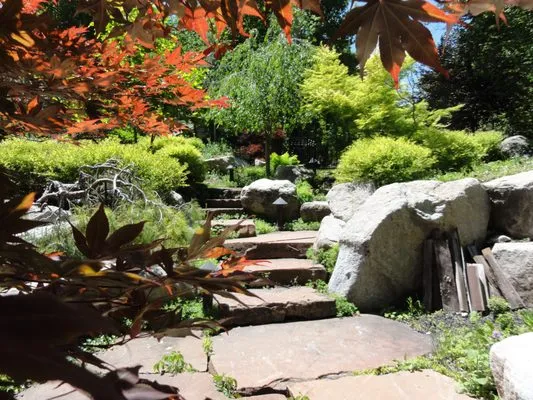
Gerber Landscapes
Gerber Landscapes brings over three decades of expertise to Cottonwood Heights and the greater Salt Lake area. Founded in 2006 by an owner with deep roots in the trade—including work on landmark proje...
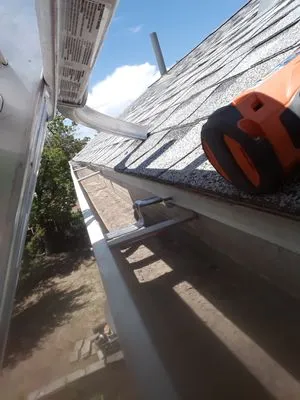
Elevated Landscaping & Maintenance
I'm Josh, the owner of Elevated Landscaping & Maintenance. At 33, I decided to turn my extensive hands-on experience into a business serving my neighbors in Cottonwood Heights. My expertise spans ever...

Kodiak Landscape
Kodiak Landscape is a full-service landscape design and construction company based in Cottonwood Heights, UT, serving residential and commercial clients throughout the Salt Lake City and Park City are...

Smile Kings Contractors is your trusted local expert in Cottonwood Heights, UT, specializing in fencing, gates, and masonry. We understand the unique challenges of our area, like yard erosion and dama...
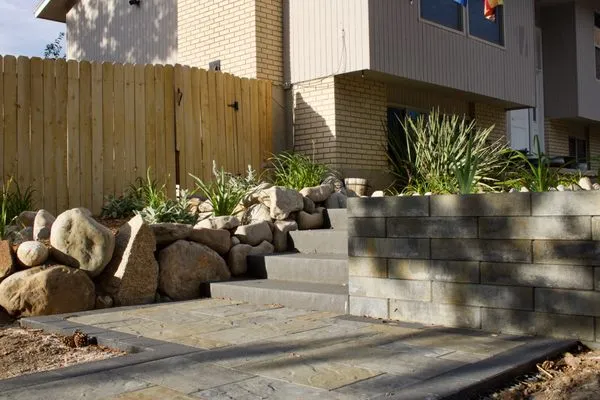
Estate Property Repair in Cottonwood Heights, UT, is your local expert for enhancing and protecting your home's exterior. We specialize in building, repairing, and replacing decks and fences, which ar...

JZ Landscaping is your trusted local lawn care specialist in Cottonwood Heights, UT. We understand the unique challenges of our area, including soil compaction and struggling plants that can leave you...

Turfing Zion brings durable, low-maintenance beauty to homes and businesses in Cottonwood Heights. We specialize in artificial turf installation and care, from creating lush, pet-friendly play areas t...
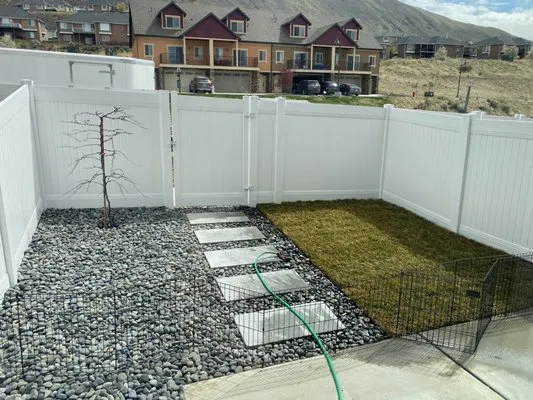
Lotus Landscaping
Lotus Landscaping is a full-service landscaping and masonry contractor serving Cottonwood Heights and the surrounding Wasatch Front. We specialize in both the creative design and practical constructio...
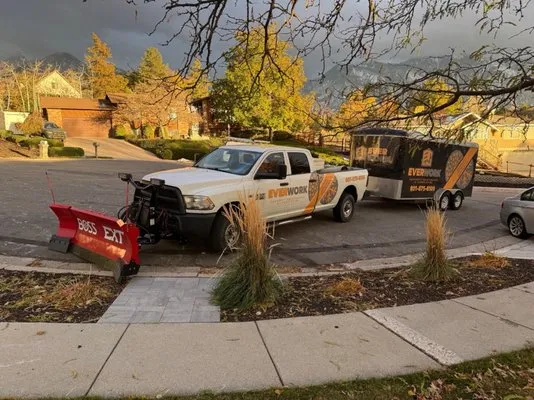
Everwork is a trusted landscaping company serving Cottonwood Heights, UT, specializing in creating and maintaining beautiful, resilient outdoor spaces. We understand the unique challenges homeowners f...
Utah American Lawn Service
Utah American Lawn Service provides professional lawn care and snow removal for homeowners in Cottonwood Heights, UT. We understand the unique challenges of local landscaping, including common issues ...
Frequently Asked Questions
Why choose permeable granite over wood for patios in fire-prone areas of Cottonwood Heights?
Permeable Wasatch Granite pavers provide superior longevity and fire resistance compared to wood decking, crucial in High Fire Wise WUI Zone 1 areas. Granite withstands Utah's freeze-thaw cycles without deterioration and creates defensible space by eliminating combustible materials near structures. The permeability reduces runoff while the material's thermal mass moderates temperature extremes. This hardscape choice meets both safety requirements and durability expectations in Cottonwood Heights' foothill environment.
What permits and licensing are required for regrading my 0.28-acre lot in Cottonwood Heights?
Grading work on a 0.28-acre lot requires a permit from Cottonwood Heights Planning & Development to ensure proper drainage and erosion control. The contractor must hold appropriate licensing through Utah DOPL (Department of Commerce, Division of Professional Licensing) for landscape construction. Significant earth moving may trigger additional reviews for slope stability and runoff management. Professional licensing ensures compliance with state regulations regarding excavation depth, soil disposal, and protection of adjacent properties during construction.
What solutions prevent slope erosion and runoff on my sloped Cottonwood Heights property?
High runoff on sloped benches requires engineered drainage solutions that address Calcareous Silty Clay Loam's low permeability. Permeable Wasatch Granite pavers in patios and walkways allow water infiltration while meeting Cottonwood Heights Planning & Development runoff standards. French drains with clean gravel and filter fabric redirect subsurface water, and terraced planting beds with deep-rooted natives slow surface flow. These systems work together to prevent erosion while managing the 7.5-8.2 pH soil's tendency to shed water rather than absorb it.
How can I maintain healthy Tall Fescue and Kentucky Bluegrass turf while following Cottonwood Heights' water conservation rules?
Wi-Fi ET-based weather sensing controllers automatically adjust irrigation schedules using real-time evapotranspiration data from local weather stations. These systems reduce water use by 20-30% compared to traditional timers while keeping turf healthy during Stage 1 voluntary conservation periods. Programming deep, infrequent watering cycles encourages deeper root growth and drought tolerance. This technology ensures your lawn receives precisely what it needs without exceeding municipal water limits during Utah's dry seasons.
What landscape changes will help me stay ahead of coming restrictions on gas-powered equipment?
Replacing high-maintenance turf with native Rocky Mountain Penstemon, Big Sagebrush, and Gambel Oak reduces mowing frequency and eliminates gas blower use. These drought-tolerant species thrive in Zone 6b with minimal irrigation once established, aligning with voluntary electric-only incentives in Cottonwood Heights' noise ordinance. Apache Plume and Serviceberry provide year-round interest while supporting local pollinators. This transition creates a low-maintenance landscape that anticipates tighter equipment regulations and reduces your carbon footprint.
How do I safely control invasive weeds without violating local fertilizer restrictions?
Identify and treat invasive species like cheatgrass, myrtle spurge, or Russian olive before they establish. Spot-treat with EPA-approved herbicides during active growth periods, avoiding phosphorus-containing products prohibited by Cottonwood Heights ordinance except for new turf establishment. Manual removal before seed set prevents spread, and pre-emergent applications in early spring target annual invaders. Always follow label directions and consider organic alternatives like horticultural vinegar for small infestations to protect soil microbiology.
Why does my Butlerville yard have such hard, compacted soil that struggles to absorb water?
Cottonwood Heights lots in the Butlerville neighborhood, with homes averaging 49 years old since 1977, have developed mature Calcareous Silty Clay Loam soil. This soil type naturally compacts over decades, reducing permeability and creating a dense layer that restricts root growth and water infiltration. Core aeration with organic amendments like composted bark or well-aged manure is essential to improve soil structure and microbial activity. Without this intervention, irrigation water will run off rather than penetrate, wasting resources and stressing turf.
How quickly can you respond to an emergency tree cleanup after a windstorm in Cottonwood Heights?
Emergency cleanup crews can typically reach Butlerville properties within 20-30 minutes during peak response times. Our dispatch routes from Butler Park via I-215, optimizing travel through Cottonwood Heights' foothill neighborhoods. This rapid response helps address immediate hazards like downed branches blocking driveways or threatening structures. HOA compliance issues involving storm debris are prioritized to meet neighborhood safety standards and prevent further property damage.
