Top Landscaping Services in Coalville, UT, 84017 | Compare & Call
There are 109 landscaping companies server in Coalville UT
Extreme Excavating & Landscaping has been a trusted name in Kamas, Utah, and the greater Park City and Heber City area for over two decades. We specialize in handling complex excavation and landscapin...
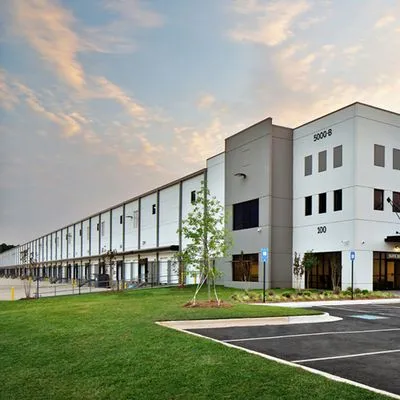
Turf Worx in Midvale, UT, is a local, family-operated company dedicated to building and maintaining healthy, beautiful outdoor spaces. Our team brings a practical, problem-solving approach to every jo...
Tree & Landscaping Care Certified
Tree & Landscaping Care Certified is a family-owned business serving Eagle Mountain and the surrounding area. For over 15 years, we've combined expertise in tree services, professional landscaping, an...
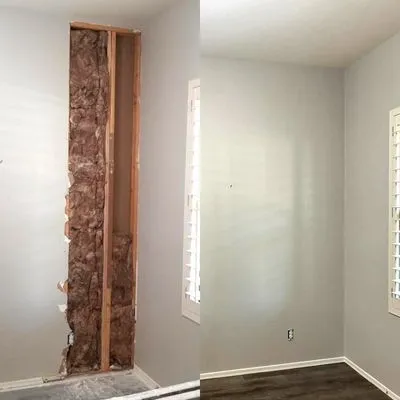
Atwood Handyman & More is your trusted local home solutions expert in West Jordan. Owner Quentin Atwood brings over 13 years of hands-on experience from the construction and trades industry, ensuring ...
Sod King has been a trusted sod provider in Northern Utah since 2015. Founded to help homeowners and contractors get quality sod delivered directly to their site at a fair price, the company was acqui...

Pro Turf Services has been a trusted name in landscape care since Nick founded it with a single mower in 1978. Beginning in Phoenix, Arizona, the company expanded to Utah, building decades of expertis...

AAJ Construction is a trusted, full-service contractor serving Saratoga Springs, UT, specializing in fencing, irrigation, and landscaping. We understand the common challenges local homeowners face, su...
At Utah Backyard Creations in Herriman, we specialize in turning your backyard into a space for family fun. We install high-quality swing sets from local manufacturers and offer custom designs to fit ...

Greenleaf Tree & Pest Control is a trusted, family-operated business serving Park City since 1985. Founded by Brad Bailey in 1983, the company has been a part of the local community for decades, with ...

Grounds Maintenance Service is Park City's trusted local landscape contractor, dedicated to serving both homes and businesses. With over 14 years of hands-on experience in our community, we understand...
Estimated Landscaping Service Costs in Coalville, UT
Frequently Asked Questions
How can I keep my Kentucky Bluegrass healthy during Coalville's Stage 1 water restrictions?
Smart Wi-Fi ET-based irrigation controllers are the definitive solution. These systems use local weather data to apply water only when evapotranspiration demands it, eliminating wasteful schedules. This technology can reduce outdoor water use by 20-30% while maintaining turf health, keeping you well within voluntary conservation guidelines. Properly tuned, it delivers precise hydration during the critical weekly mowing season from May to September.
My yard floods every spring with snowmelt. What is the most effective long-term fix?
High spring runoff is a major hazard with Coalville's silt loam soils, which have slow permeability. The primary solution involves regrading to create positive flow and installing subsurface French drains. For any new hardscape, specify permeable concrete or local Wasatch granite set with open joints. These materials meet Summit County Community Development runoff standards by allowing water to infiltrate rather than contributing to sheet flow.
Do I need a permit to regrade and reshape my 0.35-acre lot?
Yes, significant earthwork typically requires a permit from the Summit County Community Development office. Altering drainage patterns or moving more than a minimal amount of material triggers review to prevent off-site erosion and flooding. Furthermore, this work must be performed by or under the supervision of a contractor licensed by the Utah Division of Professional Licensing (DOPL). This ensures compliance with state codes and protects you from liability.
A storm caused significant debris on my property. What is your emergency response time for cleanup in Coalville?
Our standard emergency dispatch aims for a 45 to 60 minute arrival during peak events, accounting for weather and traffic. We route from our central coordination point near the Summit County Courthouse, utilizing I-80 for primary access to the Historic District. This protocol ensures we can address immediate safety hazards like blocked driveways or downed limbs to meet HOA compliance deadlines swiftly.
I want to reduce mowing and watering. What are my best plant choices?
Transitioning to a xeriscape palette of regional natives is the most ecologically sound strategy. Rocky Mountain Penstemon, Blue Flax, and Serviceberry are adapted to Zone 5a, alkaline soils, and require minimal irrigation once established. This approach drastically cuts maintenance, conserves water, and builds biodiversity. It also future-proofs your property against potential tightening of noise ordinances related to gas-powered maintenance equipment.
I've spotted what looks like invasive weeds. How should I handle them without harming my garden?
First, identify the species; common alerts in our area include Cheatgrass and Leafy Spurge. Manual removal before seed set is most effective. For persistent perennial weeds, a targeted spot-treatment with a glyphosate alternative may be necessary, always applied during calm conditions to avoid drift. Crucially, any fertilizer used must be phosphorus-free to comply with statewide reduction guidelines, and applications should avoid any local blackout dates.
Is Wasatch granite or wood better for building a durable patio in Coalville?
Local Wasatch granite is superior for longevity and fire resilience. It withstands freeze-thaw cycles with minimal deterioration, unlike wood which decays and requires chemical treatment. For properties in Moderate Fire Wise zones (WUI Zone 2), granite provides critical non-combustible defensible space. Its permanence and permeability also align with sustainable site standards, adding value without the recurring maintenance of wooden structures.
The soil in my Coalville Historic District yard seems compacted and plants struggle. Is this common for older homes here?
Yes, this is a predictable condition. Homes built around the area's 1985 average sit on 40-year-old soil profiles. The prevalent alkaline silt loam (pH 7.9) naturally compacts over decades, restricting root growth and water percolation. Core aeration in early spring and amendments with composted organic matter are essential to rebuild soil structure and moderate pH for healthier plant establishment.
