Top Landscaping Services in Clearfield, UT, 84015 | Compare & Call
There are 192 landscaping companies server in Clearfield UT
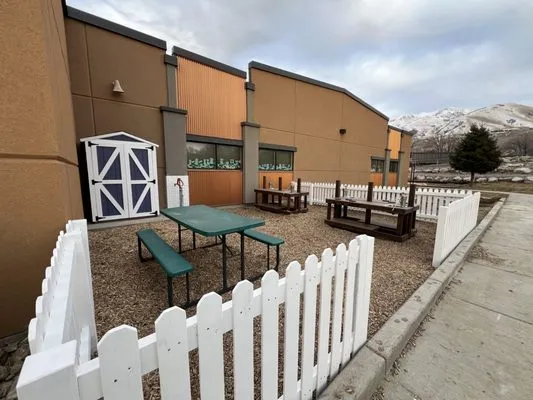
Good Shepherd Company is a Willard-based contractor serving residential and commercial clients across Northern Utah's Wasatch Front. With decades of combined experience, we specialize in a full spectr...
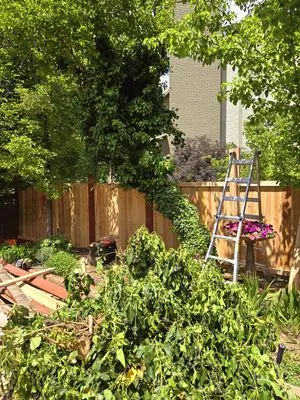
EverRoot Tree Services & Landscaping is a Sandy-based, family-friendly company dedicated to helping neighbors create and maintain beautiful, healthy outdoor spaces. With over 20 years of hands-on expe...
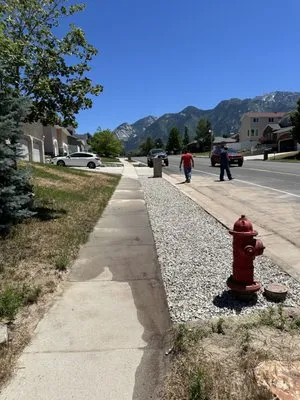
Intermountain Home Maintenance
Intermountain Home Maintenance is a Bountiful-based company dedicated to keeping local homes functioning smoothly and efficiently. We understand the specific challenges homeowners face in our area, fr...
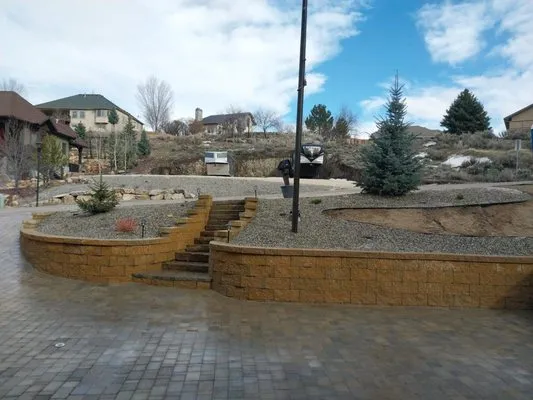
Stoneridge Landscape And Design
Stoneridge Landscape And Design is a family-owned business in Layton, UT, built on a legacy of craftsmanship and personal connection. Founded by a professional with over two decades of industry experi...
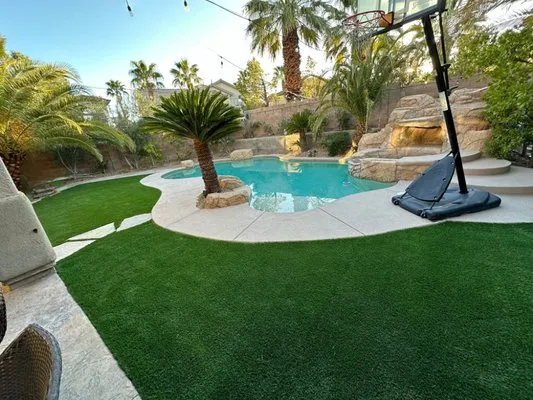
LV Synthetic Grass is a licensed and insured artificial turf installation company serving Salt Lake City, UT, and surrounding areas. We specialize in creating custom outdoor spaces with high-quality s...
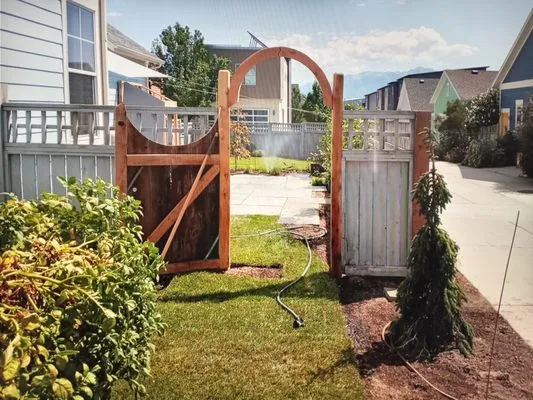
Rock Pavers and Landscaping in Sandy, UT is a local landscaping and handyman service specializing in creating functional and beautiful outdoor spaces for homeowners. We offer comprehensive landscape d...
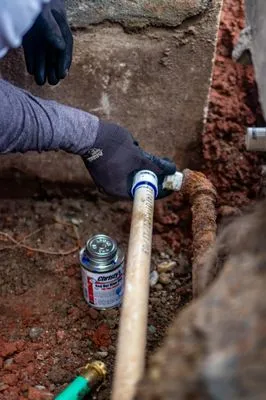
JV Landscaping provides expert lawn care services to Riverton homeowners. We specialize in diagnosing and resolving common local issues like dry lawn patches and lawn damage from tree roots. Our targe...
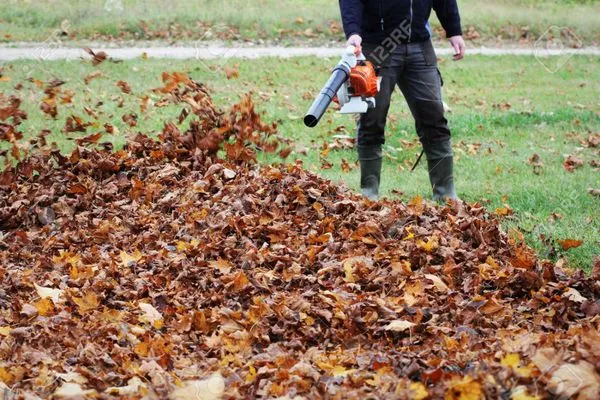
Vergara Landscaping provides reliable lawn care and professional holiday decorating services for Herriman, UT homeowners. We understand the specific challenges of the local landscape, such as landscap...

Lopez Landscaping & Maintenance is a full-service landscaping company serving Bluffdale, UT, specializing in excavation, irrigation, and landscape construction. We address common local issues like soi...
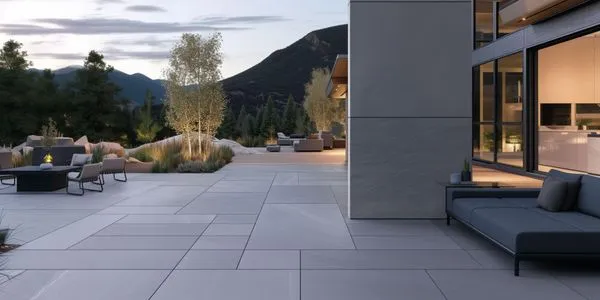
Stone Era in Draper, UT, is a trusted supplier of premium stone products for residential and commercial projects across Utah. We specialize in natural stone, pavers, brick, coping, and floor stone, of...
Estimated Landscaping Service Costs in Clearfield, UT
Question Answers
How can I keep my lawn green under Stage 2 water restrictions?
Stage 2 conservation mandates require precise water management. A Wi-Fi ET-based weather-sensing controller automatically adjusts irrigation schedules using real-time evapotranspiration data, ensuring Kentucky Bluegrass or Tall Fescue receives only the water it needs. This technology can reduce usage by 20-30% compared to traditional timers, keeping turf healthy while complying with municipal water budgets and avoiding runoff penalties.
How quickly can you respond for emergency tree or storm cleanup?
For urgent HOA compliance or post-storm debris removal, a crew can typically be dispatched within 90 minutes. Our routing from a central location like Steed Park utilizes I-15 for efficient north-south access, accounting for an estimated 25-35 minute arrival during peak traffic conditions. This schedule aligns with local noise ordinance windows to ensure operations are concluded by 10:00 PM.
Do I need a permit to regrade my yard or install a patio?
Yes, significant grading or hardscape installation on a 0.22-acre lot typically requires a permit from the Clearfield City Planning Division to ensure proper drainage and compliance with zoning codes. Furthermore, any contractor performing this work must hold appropriate licensing through the Utah Department of Professional Licensing (DOPL). This protects you from liability and ensures the work meets state standards for structural and environmental safety.
My yard floods and creates runoff. What's the solution?
High runoff and sodic soil crusting are common with alkaline silt loam, which has very low permeability. Installing permeable concrete pavers for patios or walkways allows stormwater to infiltrate on-site, meeting Clearfield City Planning Division's runoff management standards. For turf areas, deep-tine aeration and grading to direct flow into amended planting beds can significantly reduce surface water and improve soil structure.
What are low-maintenance alternatives to a traditional grass lawn?
Transitioning high-water turf to a xeriscape with native species like Rocky Mountain Penstemon, Apache Plume, and Desert Globemallow drastically reduces mowing, watering, and chemical inputs. This approach future-proofs your landscape against evolving noise ordinances targeting gas-powered equipment and supports 2026 biodiversity standards. These plants are adapted to local alkaline soils and require minimal irrigation once established.
Are permeable pavers a better choice than wood decks?
For durability and fire resilience, permeable concrete pavers outperform wood in our climate. They do not rot, splinter, or require chemical treatments, and their non-combustible nature contributes to a defensible space important in Clearfield's Moderate Wildland-Urban Interface fire rating. Their installation also mitigates local drainage issues by reducing impervious surface area, a functional advantage wood decks cannot provide.
What invasive weeds should I watch for, and how do I control them?
In Clearfield, watch for aggressive perennials like Field Bindweed and Myrtle Spurge, which thrive in disturbed, alkaline soils. Effective control combines targeted manual removal with precise, organic-acid-based spot treatments. It is critical to follow Utah's Phosphorus Application Guidelines, which prohibit winter fertilizer application, to prevent nutrient runoff while managing weeds. Promoting dense, healthy turf or native ground covers is the best long-term defense.
Why is my yard's soil so hard and unproductive?
Clearfield City Center lots, developed around 1987, have soil that has matured for nearly 40 years without significant amendment. The original alkaline silt loam (pH 7.9-8.2) has become compacted and sodic, forming a hard crust that restricts water infiltration and root growth. Annual core aeration and the incorporation of composted organic matter are essential to counteract this compaction, lower soil pH, and rebuild soil biology for long-term plant health.
