Top Landscaping Services in Centerville, UT, 84014 | Compare & Call
There are 197 landscaping companies server in Centerville UT
Cortez Lawn Care is a dedicated, local lawn service provider in Bountiful, UT. We specialize in comprehensive lawn care to address common local challenges like irrigation timer malfunctions and tree r...
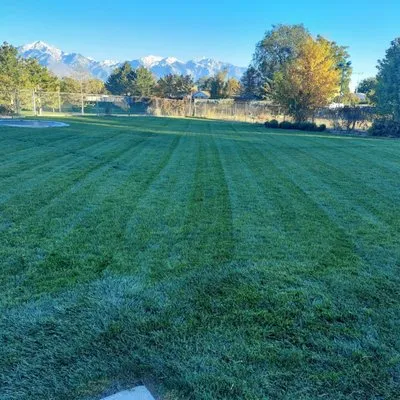
Total Lawn Care is a family-owned lawn maintenance company based in Woods Cross, UT, with over 10 years of experience serving residential properties. Founded by John E. Harper and his wife Janet, the ...
Universal Landscaping Solutions is a trusted, locally-owned provider of comprehensive lawn and tree care services in Bountiful, UT. We understand the unique challenges of our local soil and climate, i...

Line Up Lawns is a trusted lawn care provider serving West Bountiful, UT. Specializing in professional lawn maintenance, we help homeowners tackle common local landscaping challenges, including yard e...

American Firewood and Tree Service is a Woods Cross, UT, family-owned tree specialist focused on safe, efficient tree removal for homeowners who find the task daunting. Owner David Brown, who took ove...
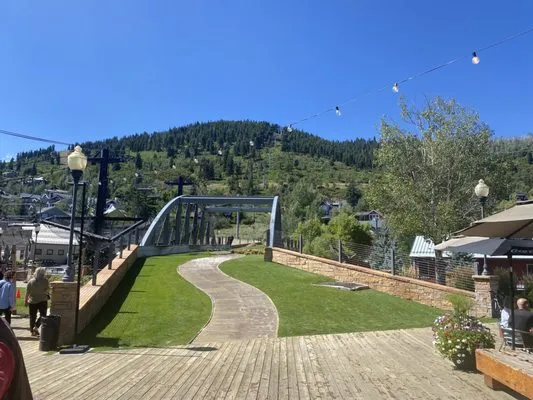
Wagstaff Lawn and Transport
Wagstaff Lawn and Transport is your trusted local partner in Farmington, UT, specializing in lawn care and reliable delivery services. We understand the common landscaping challenges many homeowners f...
Vita-Lawn is a Bountiful-based pest control and lawn care specialist dedicated to preserving the beauty and health of local landscapes. We understand the unique challenges homeowners face in our area,...
Estimated Landscaping Service Costs in Centerville, UT
Q&A
We're planning a major backyard regrading and patio project. What permits and contractor credentials should we verify?
Any significant alteration of drainage or construction of hardscapes on a 0.35-acre lot requires a permit from the Centerville City Planning & Zoning Department. The contractor must hold a current license with the Utah Department of Commerce, DOPL, specifically for landscaping or general contracting. This licensing ensures they understand structural loads, proper drainage engineering, and local codes, protecting you from liability and substandard work that could cause property damage or violate municipal standards.
We want a new patio but are worried about fire risk and maintenance. Is stone or composite wood better for our area?
Permeable Wasatch Front mountain stone is superior for longevity and fire safety in Centerville's Moderate Fire Wise rating zone. It provides a permanent, non-combustible surface that contributes to defensible space, unlike wood or composite materials which can degrade and pose a fuel hazard. Stone also integrates seamlessly with the local geology, requires no sealing or replacement, and its permeability aids in managing the site's natural runoff patterns.
My flower beds are being taken over by bindweed and myrtle spurge. How do I get rid of them safely?
Bindweed and myrtle spurge are pervasive invasive species in Utah. Effective control requires a persistent, integrated approach: careful manual removal, smothering with heavy mulch, and targeted, professional-grade herbicide applications timed for early spring growth. All treatments must adhere to statewide BMPs for nutrient and chemical runoff, avoiding application before forecasted rain to prevent contamination of waterways. Consistent monitoring for several seasons is essential for eradication.
Our HOA gave us a 48-hour notice for overgrown weeds. How quickly can a crew get here for emergency cleanup?
An emergency compliance crew can typically be dispatched within 24 hours. From our staging area at Centerville City Park, the route north via I-15 to the Centerville North Central neighborhood allows for a 20-30 minute arrival, even during peak traffic. We prioritize these dispatches to meet short deadlines, utilizing electric maintenance equipment that complies with local noise ordinances for early morning starts if necessary.
With Stage 1 water conservation in effect, how do I keep my Kentucky Bluegrass alive without wasting water?
A Wi-Fi ET-based smart controller is now a requirement for efficient irrigation in Centerville. It adjusts watering schedules in real-time based on local evapotranspiration data, soil moisture, and forecasted rainfall. This technology can reduce water use by 20-30% while maintaining turf health by applying water only when and where it's needed. Deep, infrequent watering cycles encourage deeper root systems, making your lawn more drought-resilient within voluntary conservation limits.
Water pours down my sloped yard during a storm, carving channels and leaving silt behind. What's a lasting solution?
The high slope runoff and alluvial sediment deposition are common with alkaline silt loam. A tiered solution using dry creek beds or French drains lined with permeable Wasatch Front mountain stone can effectively slow and redirect water flow. This material meets Centerville City Planning & Zoning Department standards for stormwater management by allowing infiltration, reducing erosion, and filtering sediment before water leaves your property.
My Centerville North Central yard never seems to hold water, and the soil is hard as a rock. What's the real issue here?
Properties built around 1986, like many in this neighborhood, have soil that has matured for about 40 years. The native alkaline silt loam becomes heavily compacted over decades, restricting percolation and root growth. This compaction is exacerbated by the area's high slope runoff. Core aeration and amending with 2-3 inches of quality compost are critical first steps to rebuild soil structure and increase permeability for healthier turf and planting beds.
I'm tired of weekly mowing and the noise. Is there a quieter, lower-maintenance alternative to my lawn?
Transitioning high-maintenance turf to a climate-adaptive xeriscape with native plants like Rocky Mountain Penstemon, Desert Globemallow, and Blue Grama grass drastically reduces mowing, watering, and fuel use. This shift aligns with evolving noise ordinances restricting gas-powered blowers and mowers. An established native planting requires minimal input, supports local pollinators, and enhances biodiversity, staying ahead of regulatory trends toward electric maintenance fleets.
