Top Landscaping Services in Castle Dale, UT, 84513 | Compare & Call
There are 205 landscaping companies server in Castle Dale UT
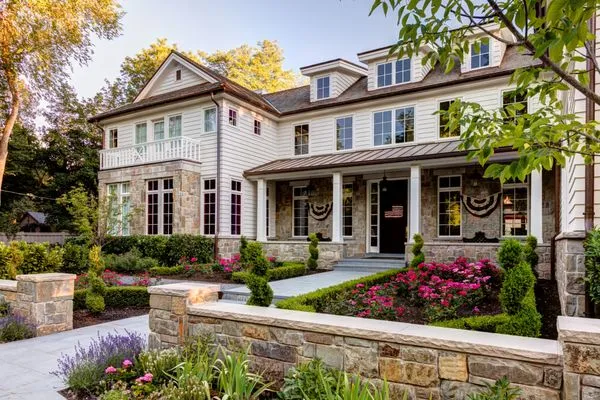
Tuck Landscape
Tuck Landscape is a Salt Lake City institution, founded in 1981 by Rob Radcliffe and Kevin Tuck. Their partnership combined Rob's deep-rooted, community-focused lawn care experience, which began in hi...
Riverbank Landscaping is a licensed, Murray-based landscaping company dedicated to transforming and maintaining outdoor spaces for both residential and commercial clients. We specialize in comprehensi...
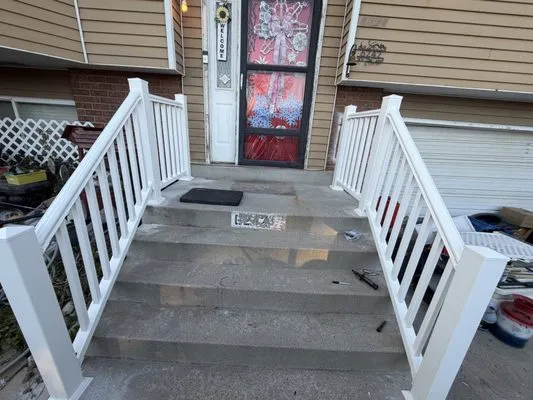
Moritz Enterprise is a trusted, locally owned and operated business serving Sandy, UT, and the surrounding communities. We specialize in a full range of property care services, from dependable junk re...
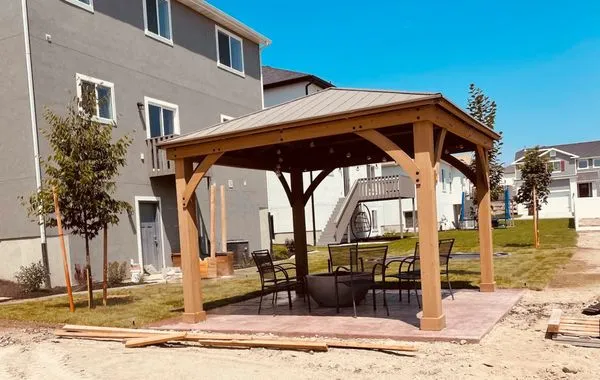
JP Landscape Services
JP Landscape Services is a locally owned and operated landscaping company based in American Fork, UT, serving Salt Lake, Utah, and Davis Counties. Founded in 2012 by Joel, who brings over 25 years of ...
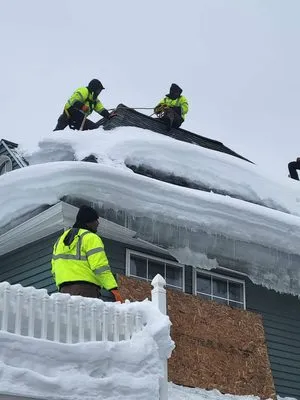
Founded in 2018 by Daniel Chavez, Prime Landscaping brings a legacy of family expertise to Park City. Daniel grew up learning the trade from experienced landscapers, and he built his company on that f...
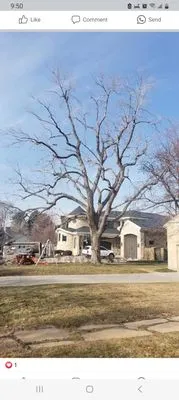
Behunin Tree
Behunin Tree has been a trusted name in Taylorsville and across Utah since 1943, making it the state's oldest tree and landscape company. With over 70 years of experience, their team includes ISA Cert...
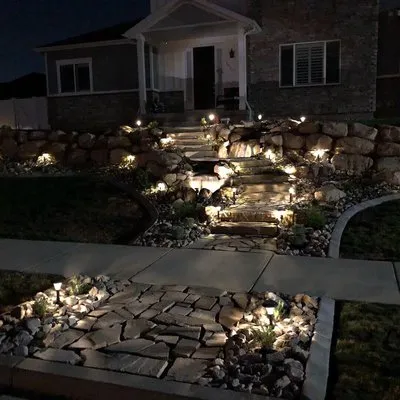
Old Mill Landscape Supply in Spanish Fork, UT, is a locally owned and operated business that has been serving the community since 2007. Specializing in landscaping materials, they provide a comprehens...
Johnson Landscape is a trusted Springville, UT, landscaping company focused on solving the common lawn and garden challenges homeowners face. We understand that local issues like sprinkler coverage ga...

Garden Green Lawn Care is a trusted, full-service property and grounds maintenance provider serving Spanish Fork, Utah, and surrounding Utah County. We specialize in comprehensive commercial and resid...
GR Landscaping & Masonry is a trusted local contractor in Spanish Fork, UT, specializing in comprehensive landscaping and masonry solutions. We help homeowners address common local issues like yard er...
Estimated Landscaping Service Costs in Castle Dale, UT
Frequently Asked Questions
How can we keep our Kentucky Bluegrass healthy during voluntary water conservation?
Under Stage 1 voluntary conservation, smart irrigation is key. A properly configured ET (Evapotranspiration) controller, using local weather data via Bluetooth or Wi-Fi, applies water only when the turfgrass needs it. This technology can reduce water use by 20-30% while maintaining turf health by preventing the cycle of drought stress and overcompensation. Deep, infrequent watering cycles timed for early morning further optimize efficiency for the local alkaline soil conditions.
Do we need a permit to regrade our yard, and what kind of contractor should we hire?
Yes, significant regrading on a 0.35-acre lot typically requires a permit from the Emery County Building & Planning Department to ensure proper drainage and erosion control. You must hire a contractor licensed by the Utah Department of Professional Licensing (DOPL) for landscaping. This licensing guarantees they carry the required liability insurance and have passed competency exams, which is essential for work that alters water flow and could impact neighboring properties.
What are the biggest weed threats here, and how do we deal with them safely?
Invasive species like Cheatgrass and Russian Knapweed are primary alerts, outcompeting natives and increasing fire risk. Management requires a pre-emergent herbicide application in early spring, followed by manual removal. All treatments must comply with Utah's state-standard nutrient management plan, avoiding application before forecasted rain to prevent runoff. For alkaline soils, boosting competition with dense native plantings is the most sustainable long-term defense.
We're tired of constant mowing and blowing. What's a lower-maintenance, eco-friendly alternative?
Transitioning perimeter zones to a xeriscape of native plants like Rabbitbrush, Four-wing Saltbush, and Indian Ricegrass drastically reduces maintenance. These plants require no weekly mowing, minimal water once established, and support local pollinators. This shift also future-proofs your property against increasing regional noise ordinances targeting gas-powered blowers, as native beds require only seasonal cleanup with quieter electric equipment.
Our yard washes out during heavy rain. What's a permanent solution for this erosion?
Flash flood susceptibility is high here due to the low permeability of compacted alkaline sandy loam. A functional solution integrates subsurface French drains with surface swales to redirect water flow. Using permeable materials like local decomposed granite for paths increases ground absorption. Any regrading or drainage structure installation must be designed to meet the Emery County Building & Planning Department's runoff management standards, which are critical for erosion control in this terrain.
Is local sandstone a good choice for a patio, or should we use composite wood?
Local sandstone is a superior, permanent choice for Castle Dale. It offers exceptional durability against freeze-thaw cycles and requires zero maintenance compared to wood's need for sealing or replacement. For Fire Wise (WUI Zone 2) compliance, sandstone provides a critical non-combustible defensible space within 5 feet of the home. Its natural thermal mass also moderates temperature extremes, making it a high-performance, climate-adaptive material.
We have unexpected storm debris and need emergency cleanup to meet HOA rules. How quickly can a crew get here?
For HOA compliance or post-storm emergencies, a crew can typically be dispatched from the Emery County Courthouse area within the hour. The route via SR-10 allows for efficient access to most of the Historic District. Our standard travel time for the regional service hub is 45-60 minutes, ensuring a same-day response for urgent site stabilization and debris removal to mitigate further property damage.
Our soil feels dead and won't hold water. Is this just how it is in Castle Dale?
Properties in the Castle Dale Historic District, with homes built around 1979, have had nearly 50 years for soil to mature, often to its detriment. The native alkaline sandy loam (pH 8.1) becomes compacted over decades, losing organic matter and permeability. This leads to poor water infiltration and a lifeless soil food web. Core aeration and the addition of composted organic matter are essential to rebuild soil structure and microbial activity, countering this long-term degradation.
