Top Landscaping Services in Alpine, UT, 84004 | Compare & Call
There are 213 landscaping companies server in Alpine UT
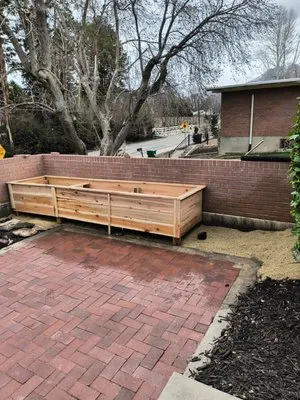
Mountain Peaks Landscaping is a family-owned business founded on a simple, neighborly principle: creating outdoor spaces you can enjoy without the hard work. It started in 2024 with a passion for help...
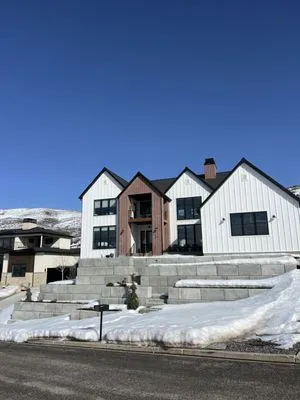
Regal Service Team (RST) is a locally owned and insured excavation, landscaping, and septic service company based in Daniel, UT, serving Wasatch and Summit Counties. Founded in the Wasatch Back, we be...
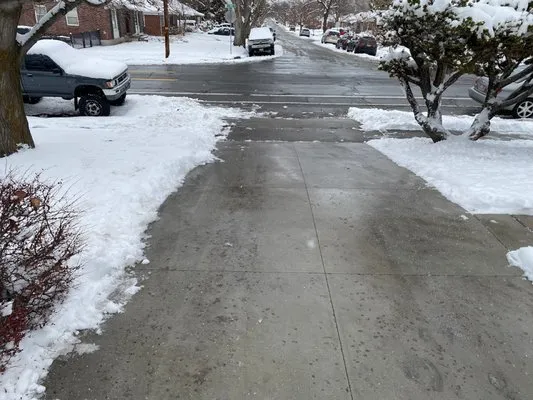
Green Thumb Landscaping And Services is a family-owned business in West Jordan, UT, founded by owner Thomas Fischer. We specialize in comprehensive landscaping and property services, from earthmoving ...
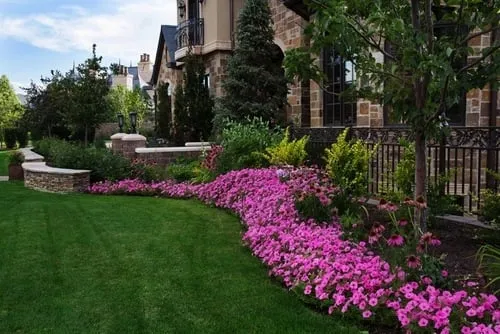
Platinum Landscape & Pools is a full-service landscape and swimming pool construction firm based in Pleasant Grove, UT. With over 25 years of dedicated service to Utah communities, we specialize in tr...
Green Master
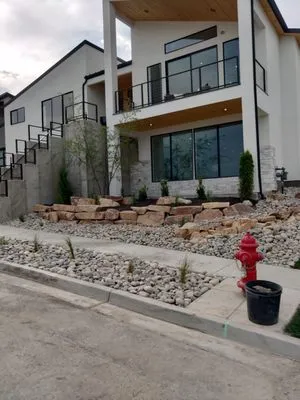
Green Master is a family-owned landscaping and irrigation company serving West Jordan for over 30 years. Founded by LaMont, the business is now run alongside his two sons, maintaining a commitment to ...
Eagle is a full-service landscaping, fencing, and irrigation contractor serving West Valley City and the surrounding areas. We specialize in solving common local yard problems, such as soil erosion fr...
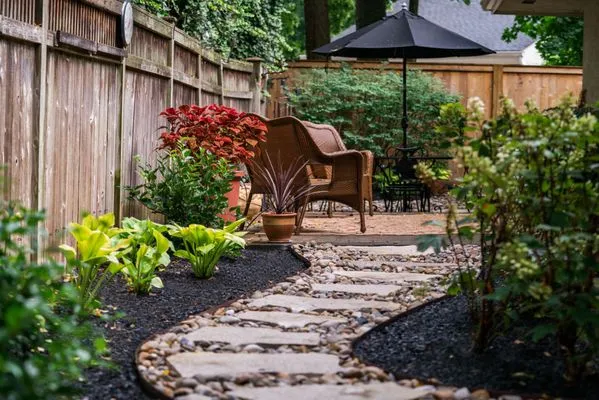
Earthly Designs Landscaping is a West Valley City, UT-based landscaping company dedicated to keeping local yards beautiful and functional year-round. We understand the specific challenges homeowners f...
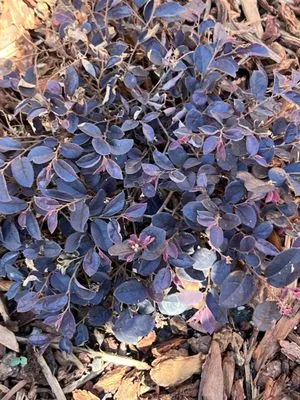
GS Landscaping in Provo, UT, is a locally owned and operated landscaping business founded by Gabriel Scott, a licensed general contractor with a lifelong passion for building and creating outdoor spac...
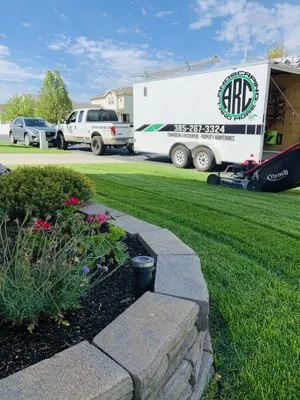
ARC landscaping & more
ARC Landscaping & More LLC is a locally owned and operated company in West Valley City, UT, fully insured and licensed by the State of Utah. We specialize in deck construction, repair, and replacement...
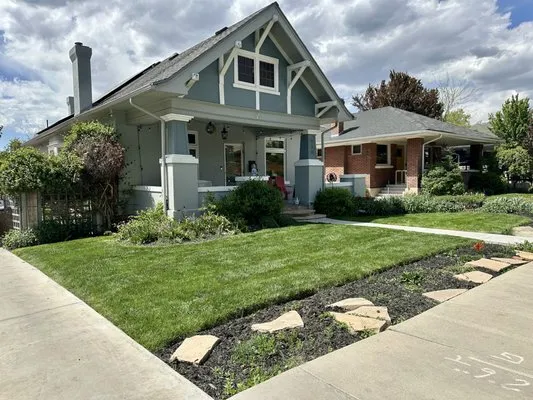
Higginson Landscaping is a trusted, locally-owned landscaping company serving Salt Lake City and the surrounding areas. We focus on building lasting relationships through clear communication and relia...
Estimated Landscaping Service Costs in Alpine, UT
Q&A
Water runs straight down our sloped yard during storms, causing erosion. What's the best solution?
Steep slopes with alkaline silt loam are prone to high runoff due to reduced permeability. A tiered strategy is most effective: installing subsurface French drains to intercept water, followed by creating berms and swales planted with deep-rooted natives to slow and absorb flow. Replacing impervious surfaces with local Wasatch Granite permeable pavers further reduces erosion and helps meet Alpine Planning & Zoning drainage standards.
We're tired of weekly mowing and gas-powered maintenance. Are there lower-input alternatives?
Transitioning high-maintenance turf areas to a xeriscape featuring Alpine natives like Big Sagebrush, Rocky Mountain Penstemon, and Curl-leaf Mountain Mahogany drastically reduces water, mowing, and chemical inputs. This forward-looking approach also aligns with evolving noise ordinances restricting gas blowers and mowers, as native plant beds require minimal maintenance with electric hand tools.
We're adding a patio. Is Wasatch Granite a better choice than wood for our fire-prone area?
Yes. Local Wasatch Granite and permeable paver systems offer superior longevity and zero flammability, directly supporting your property's High Fire Wise (WUI Zone 1) rating by creating critical defensible space. Unlike wood, which requires chemical treatments and degrades, stone hardscape maintains its integrity for decades without contributing to fuel loads, a key consideration for alpine safety and compliance.
How can we keep our Kentucky Bluegrass healthy while following Alpine's water conservation rules?
Under Stage 2 voluntary conservation, efficiency is paramount. Modern smart Wi-Fi ET-based controllers adjust watering schedules using real-time evapotranspiration data from local weather stations. This technology, paired with high-efficiency bluegrass cultivars, applies water only when and where the turf needs it, often reducing usage by 20-30% while maintaining canopy health and meeting municipal benchmarks.
We have unexpected HOA compliance needs for a property inspection tomorrow. What's the fastest you can be on-site?
An emergency compliance crew can dispatch from our central staging area near Lambert Park. The route via I-15 to Alpine City Center typically requires 45-60 minutes during peak traffic windows. We prioritize these calls to meet short-notice deadlines, ensuring all equipment—including quiet, electric tools for noise-sensitive hours—is prepared for immediate deployment upon arrival.
We want to regrade part of our half-acre lot. What permits and contractor credentials are needed?
Significant earthwork on a 0.50-acre parcel in Alpine requires a grading permit from the City Planning & Zoning Department to ensure slope stability and drainage control. Utah law mandates that any contractor performing this work must hold appropriate licensing through the Department of Commerce, Division of Professional Licensing (DOPL). Always verify this license to guarantee technical competency and compliance with state nutrient and erosion control ordinances.
Our lawn seems thin and compacted despite regular care. Is this typical for our area?
Properties in Alpine City Center built around 1997 now have nearly 30-year-old soil profiles. The original alkaline silt loam (pH 7.8-8.2) has likely become increasingly compacted and depleted of organic matter. This reduces water percolation and root penetration, explaining thin turf. Core aeration and amending with composted organic matter are critical to rebuild soil structure and microbial life.
What are the most aggressive weeds here, and how do we manage them responsibly?
In this zone, invasive threats include Myrtle Spurge and Cheatgrass. Control requires a precise, integrated method: manual removal for small infestations and targeted, professional-grade herbicide application for larger areas, always scheduled outside the state-mandated pre-storm blackout dates to prevent runoff. Promoting dense, healthy native plantings is the ultimate defense against weed establishment.
