Top Landscaping Services in Wimberley, TX, 78666 | Compare & Call
There are 198 landscaping companies server in Wimberley TX
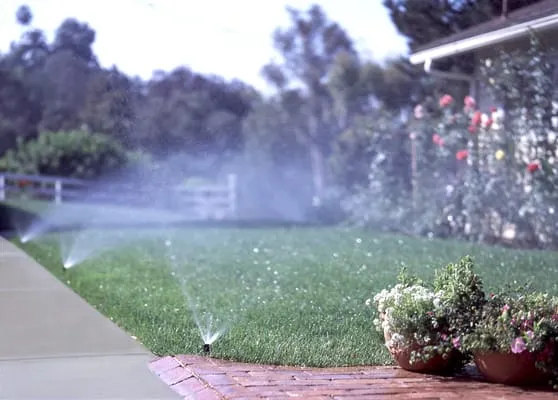
Founded in 2010 by Charles and Beverly Cody, Cody's Irrigation and Landscape began with a simple goal: to provide Bastrop and its surrounding communities with dependable, high-quality outdoor services...

Lone Star Drainage Solutions is a licensed and insured provider serving the Austin community. We specialize in designing and installing effective drainage systems, including French drains and gutter s...
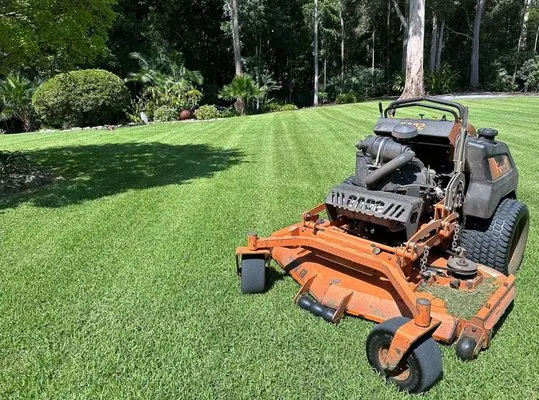
Brentwood Lawn Care is a family-owned lawn care company serving Austin since 2015. Under the leadership of manager Jeremy, who brings over 20 years of experience, the business has grown from a small o...
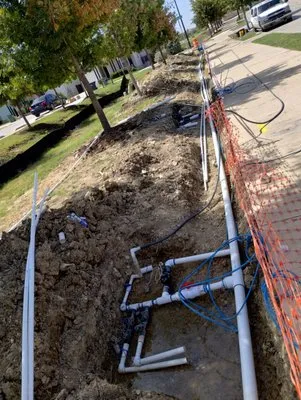
M.F Landscape Pro is your trusted, full-service landscape partner in Liberty Hill, TX. We specialize in creating and maintaining beautiful, healthy outdoor spaces for homes and businesses across our c...

Trinity Landscape & Design brings over three decades of combined expertise in handyman work and landscaping to Kyle, TX. Owner-operated since 1991, the business is built on a foundation of practical, ...
Covenant Clean & Green is your trusted local partner in Austin for a spotless home and a healthy yard. We provide comprehensive home cleaning services—from deep cleans and maid services to move-in/mov...

Real Green Pest and Lawn is a licensed pest control and lawn care provider serving Austin and Central Texas with over 34 years of experience. Licensed by both the Texas Department of Agriculture and t...
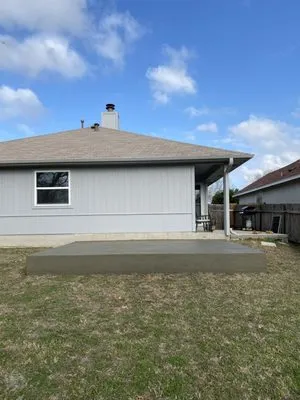
Austin Concrete Construction is a family-owned and operated concrete contractor that has been serving the Austin community since 1975. With nearly five decades of experience, we specialize in a wide r...
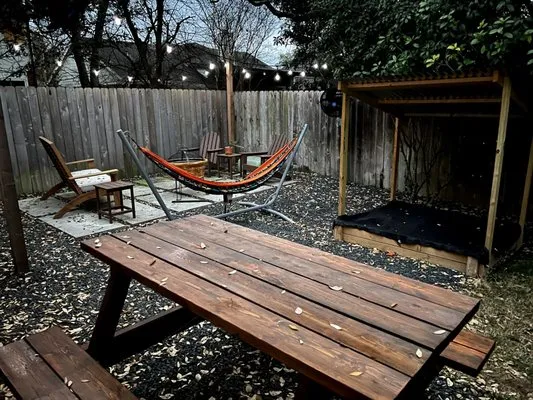
Kyle Landscaping Services
Kyle Landscaping Services is a family-owned business that has been serving the Kyle, TX community since 2011. We take pride in fulfilling our customers' landscaping needs by going the extra step in ev...
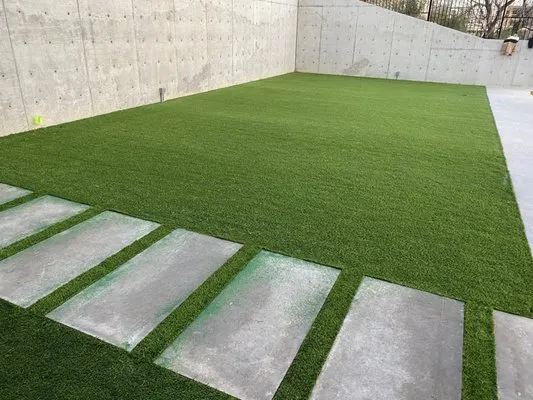
Best Buds Landscaping LLC is a Round Rock-based landscaping company dedicated to transforming outdoor spaces for both residential and commercial clients. We specialize in comprehensive landscape desig...
Estimated Landscaping Service Costs in Wimberley, TX
Question Answers
Can we keep our St. Augustine lawn alive on the Stage 2, two-day watering schedule?
Yes, but it requires precise management. St. Augustine and Zoysia have different drought tolerances, but both benefit from an ET-based smart irrigation controller. This system uses local weather data to apply only the water lost to evapotranspiration, avoiding the waste of fixed schedules. Deep, infrequent watering on your assigned days encourages deeper roots. For a 0.5-acre lot, pairing this technology with a soil moisture sensor is the most effective strategy for maintaining turf health within municipal limits.
Is a limestone patio better than a wooden deck for our hillside property?
For longevity and fire safety, native limestone is superior. Austin Chalk or Texas Cream Limestone is a non-combustible material that contributes to your property's defensible space, a key factor for WUI Zone 2 compliance. Unlike wood, it does not rot, warp, or require sealing in our climate. When properly dry-set on a compacted gravel base, it also allows for better water permeability than a solid concrete pour, addressing both the drainage hazard and the aesthetic integration with the Hill Country landscape.
What invasive species should we watch for, and how do we control them safely?
In this area, Bermuda grass encroachment and Nandina domestica (Heavenly Bamboo) are primary concerns. For Bermuda in planting beds, consistent manual removal is required. Chemical controls must be used selectively and never during seasonal blackout dates that protect water quality. Crucially, Wimberley's fertilizer ordinance prohibits phosphorus application unless a soil test confirms a deficiency, so any weed-and-feed products are likely non-compliant. A soil test every 2-3 years is the best guide for lawful and effective plant health care.
We're tired of weekly mowing and blowing. What's a quieter, lower-maintenance alternative?
Transitioning high-maintenance turf areas to a climate-adapted xeriscape is the most effective step. A matrix of native plants like Texas Sage, Flame Acanthus, and Cedar Sage provides year-round interest, supports local biodiversity, and requires no mowing or frequent blowing. This directly reduces noise and emissions, aligning with evolving ordinances on gas-powered equipment. The established root systems of these natives also make them exceptionally drought-resilient, permanently reducing your irrigation demand.
What permits and licenses are needed to regrade our half-acre lot?
Any significant grading or earth-moving on a 0.5-acre lot typically requires a permit from the City of Wimberley Planning & Development to ensure compliance with erosion control and stormwater management ordinances. The contractor performing this work must hold appropriate licensing from the Texas Department of Licensing and Regulation (TDLR), which ensures they carry the required insurance and understand state landscape installation standards. Always verify this TDLR license is current before signing a contract for structural landscape changes.
Why is the soil in our Wimberley Square yard so hard to work with?
Properties here, built around 1997, have nearly 30 years of soil development on the native Calcareous Brackett-Tarrant Clay. This alkaline clay (pH 8.1) becomes highly compacted over time, severely limiting root penetration and water permeability. The primary solution is not tilling, which destroys soil structure, but annual core aeration in the fall to relieve compaction. Following aeration, amending with 1/4 inch of high-quality compost is critical for building organic matter and supporting microbial life in this challenging substrate.
How quickly can you respond to an emergency tree cleanup after a storm?
Our electric fleet allows us to operate within Wimberley's noise ordinance (7 AM to 9 PM) immediately after a weather event. For a property in Wimberley Square, our standard dispatch routes from Blue Hole Regional Park via RR 12. Under normal conditions, we can mobilize within 60 minutes, though peak storm response may extend this to the upper end of our 45-60 minute window due to debris on secondary roads. We prioritize safety hazards and road-blocking limbs first.
Our yard floods and then dries out completely. What's the best long-term fix?
This cycle indicates poor permeability in the clay soil and the karst topography common here, where water runs off quickly or contributes to sinkhole risk. The solution involves redirecting water flow with graded swales and capturing it in rain gardens planted with natives like Lindheimer Muhly. For hardscapes, specify permeable installations using native Texas Cream Limestone set in a gravel base, which meets City of Wimberley Planning & Development standards for managing runoff and recharging the aquifer.
