Top Landscaping Services in White Settlement, TX, 76108 | Compare & Call
There are 199 landscaping companies server in White Settlement TX
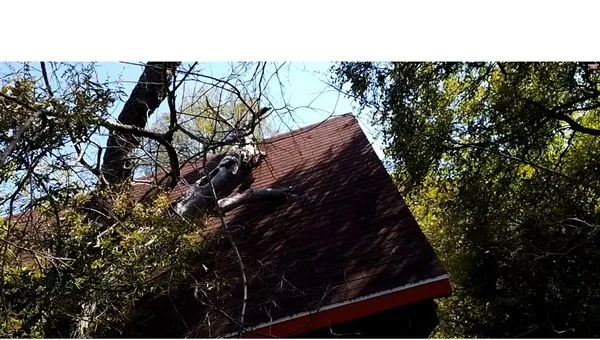
Sal's Landscape & Tree Service
Sal's Landscape & Tree Service is a family-owned and operated company proudly serving Fort Worth and the greater Dallas-Fort Worth area. With a combined experience of over 50 years, we provide compreh...
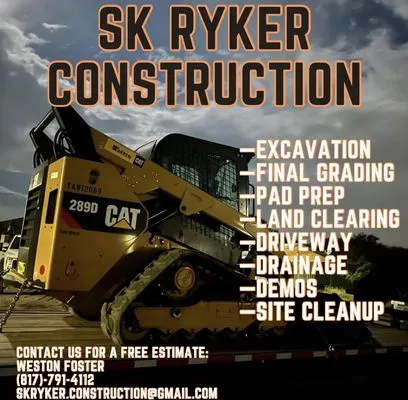
SK Ryker Construction is your trusted local partner for excavation, landscaping, and demolition in Joshua, TX. We specialize in preparing your land for success, from initial site clearing and grading ...
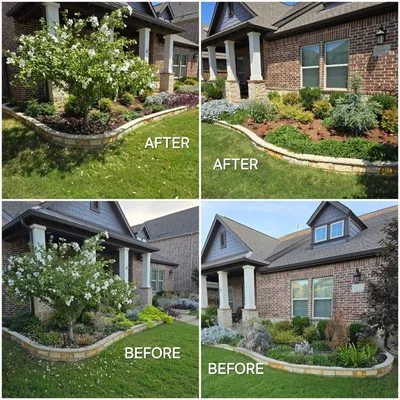
Rockin' GI Land Services is a local Ft Worth company specializing in transforming and maintaining residential and commercial properties. We offer a practical range of services, from foundational earth...
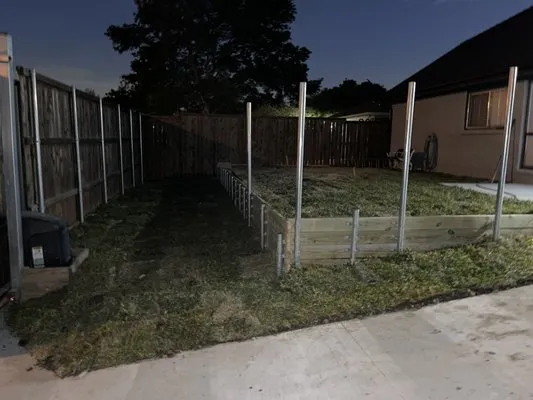
Vazquez Landscape
Vazquez Landscape is a full-service landscaping and masonry contractor serving Alvarado, TX, and the surrounding areas. We specialize in transforming outdoor spaces with expert earthmoving, custom har...
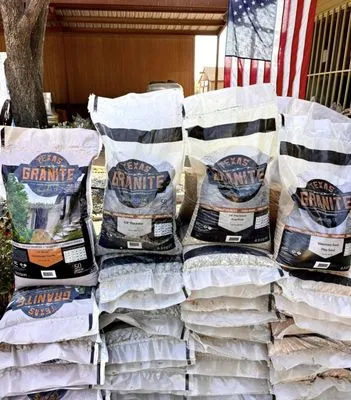
Silver Creek Materials has been a trusted Fort Worth resource since 1983, specializing in building supplies and landscaping solutions. We provide earthmoving and regrading services, along with aggrega...
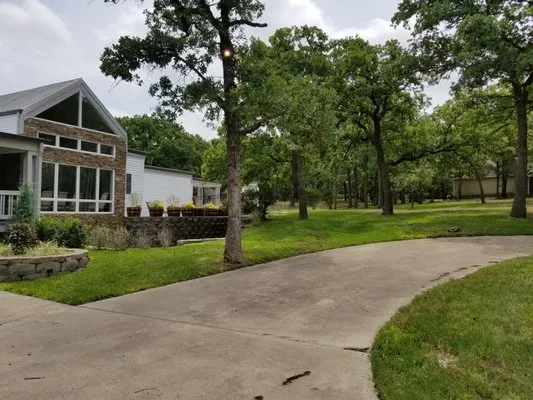
Cowboy Lawn Care is a Springtown-based landscaping company founded with the goal of providing comprehensive, high-quality services at accessible rates for local residents. What began as a two-person o...
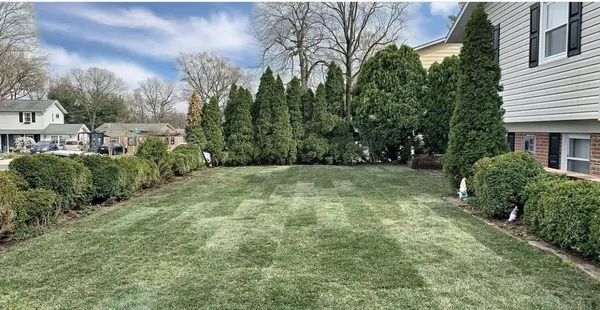
White Oak Landscaping is a trusted Fort Worth-based company specializing in comprehensive landscaping, masonry, and patio covering services. We handle everything from driveway and retaining wall const...
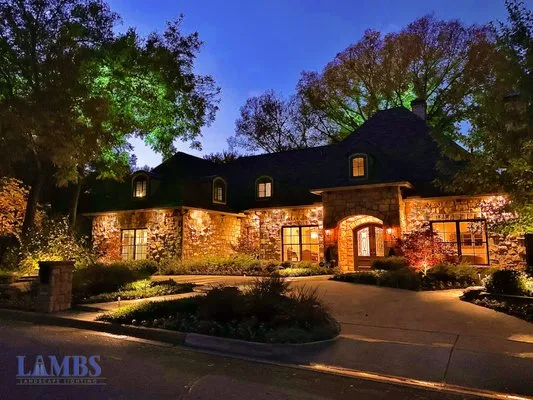
Lambs Landscape and Lighting
Lambs Landscape and Lighting has been transforming outdoor spaces in Fort Worth and surrounding areas since 1996. As a licensed landscape design and installation service, we specialize in creating fun...
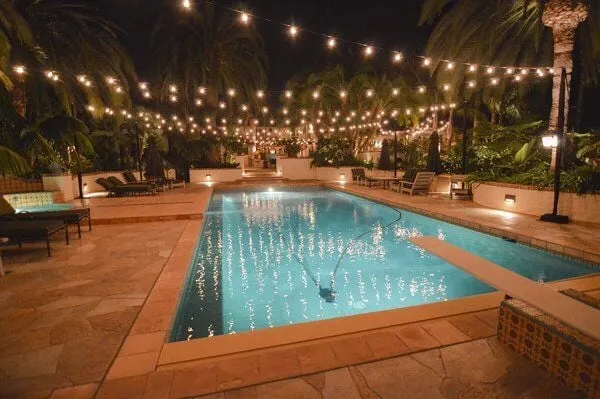
GreenCare Lawn and Landscape is a family-owned business deeply rooted in Crowley, TX. Founded in 2009 by two brothers who started with used equipment and a handful of clients, the company has grown th...
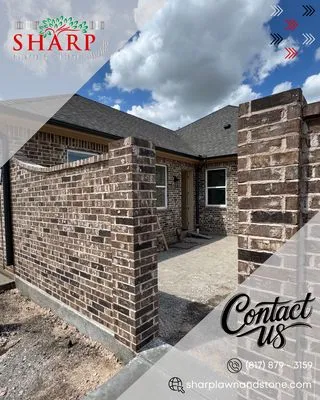
Sharp Lawn & Stone is your trusted Fort Worth neighbor for landscaping, masonry, and fencing projects. Locally owned and operated, we build our business on honesty, integrity, and a deep understanding...
Estimated Landscaping Service Costs in White Settlement, TX
Common Questions
How can we keep our lawn alive under twice-weekly watering rules?
Stage 1 water restrictions mandate efficient irrigation, which is achievable with smart ET-based controllers and soil moisture sensors. This system schedules watering only when evapotranspiration data and sensor readings indicate a need, preventing overwatering. For TifTuf Bermuda or Zoysia, this deep-but-infrequent method encourages deeper root growth and drought tolerance. Properly calibrated, it maintains turf health while strictly adhering to municipal limits.
What permits and qualifications are needed for regrading our yard?
Significant earthmoving or grading on a 0.22-acre lot often requires a permit from the City of White Settlement Development Services to ensure proper drainage and compliance with codes. The contractor must hold appropriate licensing from the Texas Department of Licensing and Regulation (TDLR), which validates their competency in excavation and soil management. This is crucial for preventing structural damage to your home or neighboring properties from improper water diversion.
Our yard floods and then cracks. What's the long-term solution?
This cycle is symptomatic of the area's high shrink-swell clay, which has poor vertical infiltration. Surface water cannot percolate, causing pooling and subsequent soil cracking. The solution involves regrading to direct runoff and installing subsurface drainage like French drains. For patios or walkways, using permeable concrete pavers or crushed limestone aggregate increases ground absorption and helps meet City of White Settlement Development Services standards for stormwater management.
What should we do about invasive weeds without harming the lawn?
Common invaders like Bermuda grass in flower beds or nutsedges require targeted treatment. Spot-applying a selective, non-volatile herbicide during calm, dry weather is effective. Critically, this must be scheduled outside the local fertilizer ordinance's blackout periods, which prohibit any application before forecasted heavy rain to prevent runoff into impervious surfaces. Always follow label instructions and consider organic pre-emergent options like corn gluten meal for prevention.
How fast can you respond to an emergency tree cleanup after a storm?
Our storm response protocol is designed for rapid deployment from our base near Veterans Park. Using I-30, we can typically reach addresses in the West Settlement district within 20-30 minutes during peak disruption, depending on specific road conditions. We prioritize safety and HOA compliance, with electric chainsaws and chippers to minimize noise and begin debris management immediately upon arrival.
Is there a lower-maintenance alternative to a traditional grass lawn?
Transitioning to a climate-adaptive landscape with native plants like Texas Sage, Flame Acanthus, and Little Bluestem significantly reduces water, mowing, and chemical inputs. This xeriscape approach builds resilience ahead of potential tighter noise or emission ordinances on gas equipment. A layered planting of these natives supports local biodiversity and requires only seasonal pruning, aligning with forward-looking 2026 ecological standards.
Are permeable pavers a better choice than wood for a new patio?
For durability and fire safety, permeable concrete pavers or crushed limestone aggregate outperform wood in our climate. They are non-combustible, which contributes directly to the Moderate Fire Wise rating requirement for a 30-foot defensible space. These materials also mitigate the local soil's drainage issues, resist heaving from shrink-swell clay, and have a lifespan decades longer than treated lumber, with minimal maintenance.
Why does our neighborhood soil seem so dense and uncooperative for planting?
Most properties in the West Settlement Residential District were built around 1973, giving the soil over 50 years of compaction from construction and routine maintenance. The native alkaline clay, with a pH of 7.9-8.2, has poor structure and minimal organic matter. This leads to high shrink-swell behavior and restricts root growth. Corrective action requires deep-tine core aeration and incorporating 3-4 inches of composted organic matter to improve soil tilth and biological activity.
