Top Landscaping Services in White Oak, TX, 75604 | Compare & Call
There are 146 landscaping companies server in White Oak TX
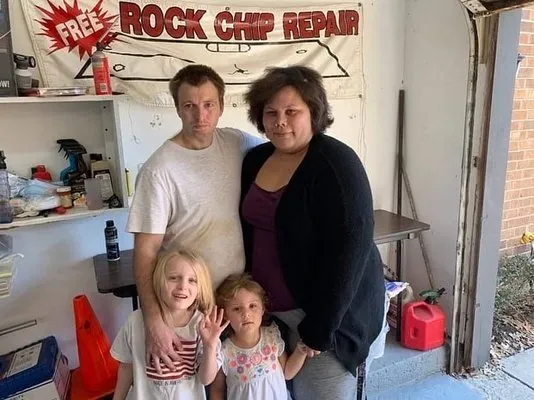
Time2Shine Lawn Pros is a dedicated lawn care service based in Rusk, TX, specializing in maintaining and restoring the health and beauty of local lawns. We understand that many Rusk homeowners face co...
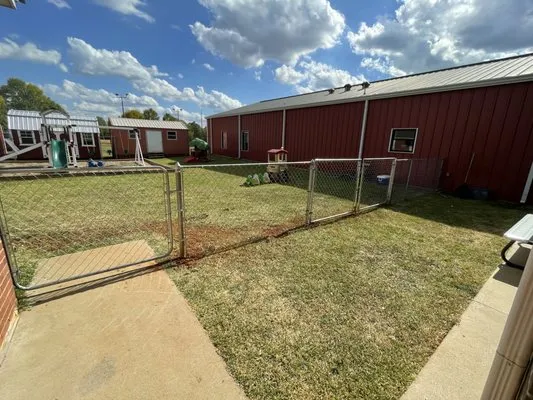
Lance-Scaping, LLC is a dedicated landscaping company serving Cushing, TX, and the surrounding area. We specialize in artificial turf solutions—including installation, cleaning, repair, and infill app...

EPAR Aeration Services is a veteran-owned lawn care business in Yantis, TX, specializing in core removal aeration to improve soil health and lawn vitality. We focus on helping local homeowners address...
Tony's Lawn & Care is a trusted lawn service provider in Tyler, TX, specializing in comprehensive lawn care solutions for local homeowners. We understand that Tyler residents often face challenges wit...

Faith in Action Enterprises has been serving Longview, TX since 2015, providing sustainable lawn care and landscaping services. We specialize in personalized care plans tailored to each lawn's specifi...
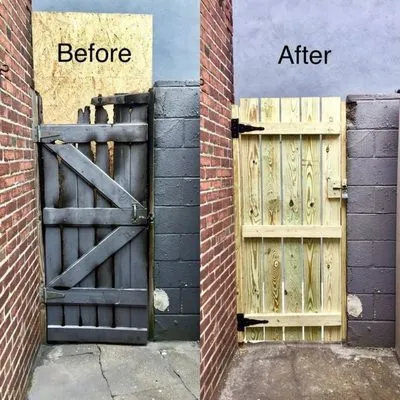
E&EE Property Care is a trusted handyman and landscaping service based in Longview, TX, dedicated to enhancing local properties with reliable workmanship. We specialize in a wide range of services, fr...
Ortiz Landscaping and Mowing Services is a full-service provider for Longview, TX homeowners, tackling common local landscaping challenges like sprinkler leaks and weed infestations. By specializing i...

Eaves Woodworking in Diana, TX, is a licensed woodworking and interior design service that transforms your environment into something spectacular. Whether you need small changes or full-scale remodels...
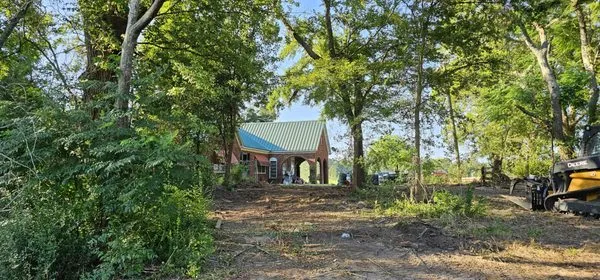
Southern Land Clearing Services in Tyler, TX, is a dedicated local provider specializing in comprehensive tree services and landscaping solutions. We help Tyler homeowners and businesses maintain beau...
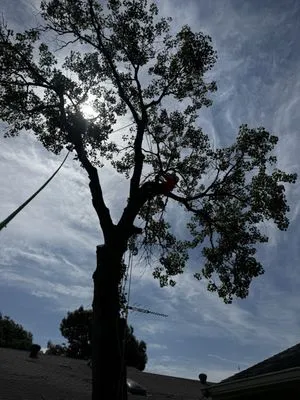
Ground Down Stump Grinding and Tree Service is a veteran-owned tree care and landscaping business serving Bullard, TX and surrounding communities like Tyler. With nearly 35 years of experience, we spe...
Estimated Landscaping Service Costs in White Oak, TX
Question Answers
Do I need a permit to regrade my backyard, and what kind of contractor should I hire?
Yes, significant regrading on a 0.35-acre lot typically requires a permit from the White Oak City Hall Planning Department to ensure proper stormwater management. You must hire a contractor licensed by the Texas Department of Licensing and Regulation (TDLR) for earthmoving or irrigation work. This licensing ensures they understand local codes related to slope stability, drainage conveyance, and protecting adjacent properties from runoff damage.
I see a fast-spreading vine choking my shrubs. What is it, and how do I stop it safely?
You are likely describing invasive Japanese Honeysuckle or Virginia Creeper. Manual removal of roots is most effective for immediate control. For chemical treatment, a targeted glyphosate application to fresh-cut stems in late fall minimizes drift and follows state BMPs for fertilizer and pesticide use. Always avoid treatment during spring green-up or before heavy rain to protect groundwater in our sandy soil.
Why does my soil seem so compacted and thirsty compared to newer neighborhoods?
White Oak Estates lots, built around 1981, have 45-year-old landscapes with established but depleted soil. The native acidic sandy loam has likely lost organic matter from decades of standard maintenance, reducing its water-holding capacity. This leads to the characteristic compaction and poor percolation. Core aeration in early spring, followed by incorporating 2-3 inches of compost, is the most effective way to rebuild soil structure and biology for long-term health.
My HOA gave me a 48-hour notice for overgrowth. How quickly can you get a crew here?
For HOA compliance emergencies, our standard response from White Oak High School via US Highway 80 is 15-20 minutes. We dispatch electric maintenance fleets that comply with local noise ordinances, allowing work to begin promptly within permitted hours. The crew will assess the overgrowth, typically Common Bermuda or St. Augustine, and execute a cleanup to meet the visual standards outlined in your covenant.
My yard gets soggy patches every spring. What's a permanent fix that won't look ugly?
Seasonal saturation is common in White Oak's sandy loam due to underlying clay layers. A functional solution integrates permeable hardscaping with grading. Using native sandstone for a dry creek bed or crushed granite for a permeable patio directs runoff while meeting city planning standards. The key is creating a gentle slope (1-2% grade) to channel water away from foundations, turning a drainage hazard into a landscape feature.
Is crushed granite or a wooden deck better for a new patio, considering the heat and fire risk?
Crushed granite is superior for durability and fire mitigation. It withstands our heat without warping or splintering and, when properly compacted with a stabilizer, provides a solid, permeable surface. For properties in the Wildland-Urban Interface with a 'Moderate' Fire Wise rating, non-combustible materials like stone and granite are critical for creating defensible space, a requirement that wood cannot meet.
How can I keep my St. Augustine green during Stage 1 water restrictions without overwatering?
Smart Wi-Fi ET-based irrigation controllers are essential for compliance. They adjust runtimes daily based on local evapotranspiration data, applying water only when the turf needs it. For your sandy loam soil, this means shorter, more frequent cycles to prevent runoff. Properly programmed, these systems can maintain turf health while reducing water use by 20-30%, keeping you well within voluntary conservation guidelines.
I'm tired of weekly mowing and gas blower noise. What's a quieter, lower-maintenance alternative?
Transitioning perimeter zones to a xeriscape with native plants like American Beautyberry, Turk's Cap, and Little Bluestem drastically reduces maintenance. These adapted species require no supplemental irrigation once established and no weekly mowing. This shift aligns with evolving noise ordinances restricting gas-powered equipment and supports local biodiversity, creating a resilient landscape that thrives with minimal input.
