Top Landscaping Services in White Deer, TX, 79097 | Compare & Call
There are 49 landscaping companies server in White Deer TX
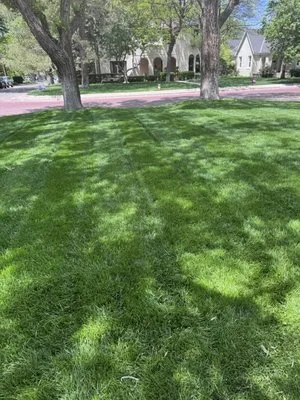
Green Grass Landscapes is a full-service landscaping company dedicated to enhancing and protecting Amarillo properties. We understand the unique challenges local homeowners face, such as dying shrubs ...

Red Bird Lawn Mowing is your local Amarillo partner for a healthy, beautiful yard. We started in 2024 with a simple mission: to provide dependable lawn care you can count on. Our services include week...
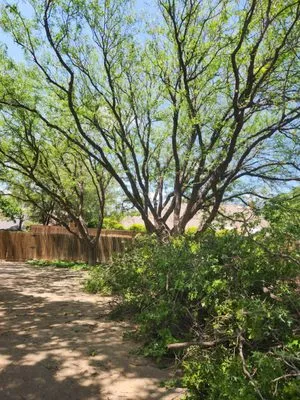
C&T Tree and Landscape
C&T Tree and Landscape is a full-service landscape and tree care company serving Amarillo homeowners. We specialize in creating and maintaining beautiful, resilient outdoor spaces that thrive in the T...
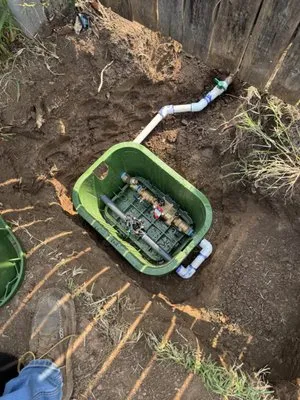
Elite Lawn Care is your Amarillo neighbor for a healthier lawn. Founded in 2023, we've grown from a single mowing crew to a full-service team, now offering expert lawn care and irrigation services to ...

Lowerys Mowing & Maintenance is a trusted lawn care provider serving Amarillo, TX, specializing in comprehensive lawn care services. Many local homes face common landscaping challenges like weed infes...
Green Plain's Design
Green Plain's Design in White Deer, TX, is your local expert for comprehensive outdoor solutions, specializing in both irrigation and landscaping. We understand the common challenges White Deer homeow...
Outlaw Mowing Service is your trusted local partner for lawn care in White Deer, TX. Owner Virginia brings over 15 years of hands-on landscaping experience to every job, ensuring reliable and knowledg...
Lawn's Men is a trusted lawn care provider serving the Amarillo, TX community. We specialize in comprehensive lawn maintenance designed to tackle the specific challenges of our local climate and soil....
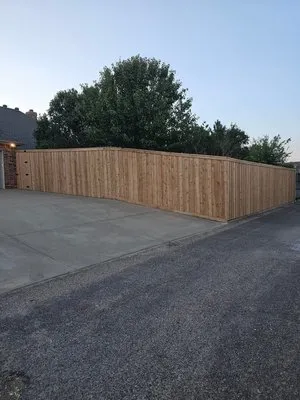
Scroggs Fencing is a trusted, locally-owned fence and gate specialist serving the Panhandle, TX community. We provide comprehensive solutions for residential and commercial properties, including exper...
Estimated Landscaping Service Costs in White Deer, TX
Common Questions
What alternatives exist for reducing mowing frequency and gas equipment noise in my neighborhood?
Transitioning to native plant communities like Little Bluestem, Sideoats Grama, and Purple Prairie Clover eliminates weekly mowing while providing habitat. These deep-rooted perennials require minimal irrigation once established and support local pollinators. The shift aligns with evolving noise ordinances that increasingly restrict gas-powered equipment, while electric maintenance fleets handle occasional trimming without violating quiet hour standards from 10 PM to 7 AM.
How quickly can you respond to an HOA violation notice for overgrown vegetation in Central White Deer?
Emergency cleanup crews dispatch from White Deer City Park via US Highway 60, reaching most Central White Deer properties within 45-60 minutes during Panhandle Regional response hours. We maintain electric maintenance fleets that comply with quiet hour ordinances while providing immediate service. This routing prioritizes high-visibility compliance issues that typically trigger HOA notifications during growing season inspections.
Which hardscape material performs best for longevity and fire safety in our grassland region?
Crushed limestone offers superior durability over wood in White Deer's climate, with 20-30 year lifespan versus wood's 8-12 years. This non-combustible material contributes to defensible space requirements in Moderate Fire Wise rated zones. Permeable concrete provides similar fire resistance while addressing runoff concerns. Both materials maintain structural integrity through freeze-thaw cycles and require minimal maintenance compared to organic alternatives that degrade in alkaline soils.
What's the most effective solution for standing water in my yard after heavy rains?
Pullman Clay Loam's low permeability creates chronic runoff issues that require engineered solutions. Permeable concrete or crushed limestone hardscapes allow 3-8 inches per hour infiltration versus traditional surfaces. These materials meet Carson County Planning & Development runoff standards while directing water away from foundations. For severe cases, French drains with gravel beds and proper grading create subsurface channels that bypass the clay layer entirely.
What permits and licenses are required for regrading my 0.25-acre property in White Deer?
Grading projects exceeding 50 cubic yards of earth movement require Carson County Planning & Development permits to ensure proper drainage and erosion control. Contractors must hold Texas Department of Licensing and Regulation landscaping irrigation licenses for any associated water management systems. On quarter-acre lots, even minor elevation changes can impact neighboring properties, making certified professional oversight essential for compliance with municipal codes and preventing liability issues from improper water diversion.
How should I handle invasive species like Johnsongrass without using prohibited chemicals?
Texas A&M Agrilife Extension BMPs recommend mechanical removal for invasive species before seed set, followed by solarization with clear plastic during summer months. For persistent infestations, targeted spot treatments with EPA-approved herbicides during allowable application windows avoid fertilizer ordinance conflicts. Implementing competitive native groundcovers like Sand Sagebrush creates ecological resistance while improving soil health through mycorrhizal associations that suppress weed establishment.
Why does my Central White Deer lawn have such compacted soil that resists water penetration?
White Deer's 1971 average home construction means your soil has matured for 55 years in Pullman Clay Loam. This alkaline soil (pH 7.5-8.2) naturally compacts over decades, reducing permeability to critical levels. Core aeration every 2-3 years with organic amendments like composted manure addresses this historical compaction. The process creates channels for water and oxygen while introducing beneficial microorganisms that improve soil structure over time.
How do I maintain Buffalograss during Stage 1 water restrictions without letting it go dormant?
Smart Wi-Fi controllers with ET-based scheduling optimize irrigation by calculating actual evapotranspiration rates for your specific microclimate. These systems automatically adjust watering based on weather data, soil moisture sensors, and municipal water limits. For Buffalograss in Zone 7a, this typically means 0.5-0.75 inches weekly during peak season, delivered in early morning cycles to minimize evaporation loss while meeting voluntary conservation targets.
