Top Landscaping Services in Webster, TX, 77058 | Compare & Call
There are 197 landscaping companies server in Webster TX

Aqua-Springs is a Houston-based Certified Aquascape Contractor specializing in custom water features like Koi ponds, Pondless Waterfalls, and EcoSystem designs. Founded in 2021, they focus on chemical...
Founded over a decade ago in Fort Worth, A & J Unlimited has built its reputation in Pearland on a foundation of hard work, honesty, and affordability. As a family-owned and operated business, we spec...

Bay Area Design & Landscape brings over three decades of professional expertise to the homes of Seabrook and the surrounding Bay Area. Founded on a blend of formal education—including Landscape Archit...
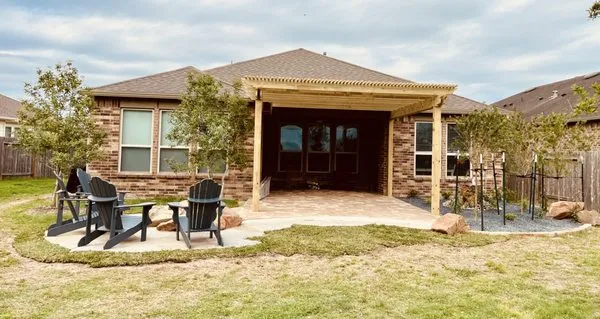
Beck Landscaping
Beck Landscaping is a full-service design and installation company proudly serving the Dickinson community and the broader south Houston area, including League City, Galveston, and Pearland. Founded i...
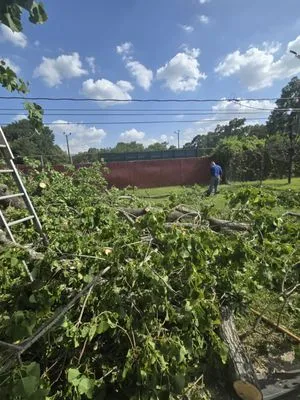
Cut-N-Edge is a Houston-based tree and lawn care company with 15 years of experience serving the local community. We specialize in comprehensive tree services including pruning, removal, disease manag...
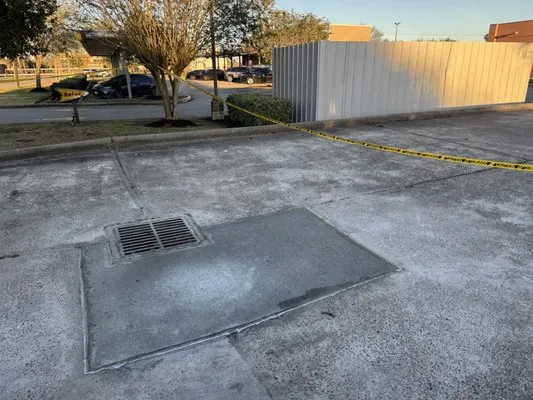
DIAC is your trusted, local expert in Pearland for masonry, concrete, and landscaping solutions. We specialize in comprehensive property enhancement, from building durable driveways, patios, and retai...
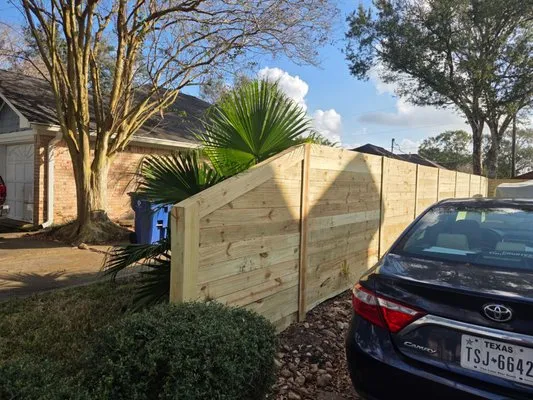
Integrity Landscaping & Fencing is a locally owned and operated business serving Clute and Brazoria County with comprehensive outdoor solutions. We specialize in landscaping, fence installation and ma...
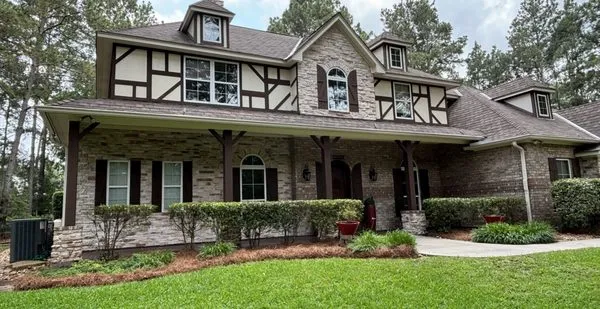
Pine Straw Texas provides high-quality longleaf pine straw mulch and professional landscaping services to the Katy area. We supply wholesale to nurseries and landscapers while also offering retail sal...
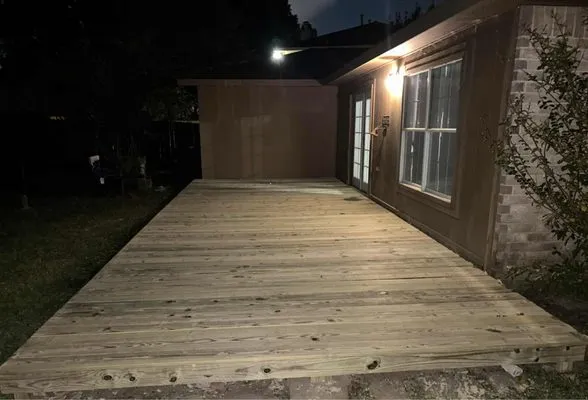
Souto's Landscaping & Fencing is a family-owned business based in Pearland, TX, built on a foundation of faith and pride in craftsmanship. For nearly two decades, the owner has been dedicated to worki...
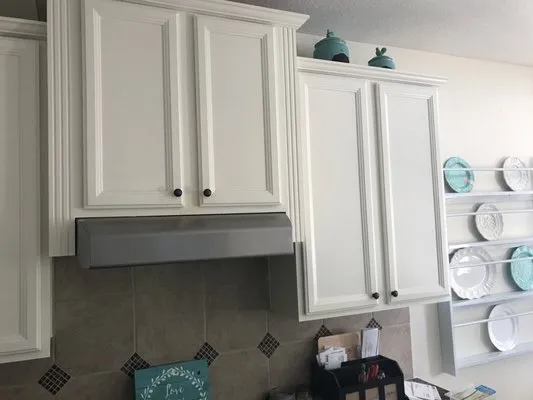
UPLIFT Outdoor is a licensed home services company based in Pearland, TX, specializing in comprehensive outdoor and property enhancement solutions. We focus on landscaping, fencing and gates, and pain...
Estimated Landscaping Service Costs in Webster, TX
FAQs
Do I need a permit to regrade my backyard, and what kind of contractor should I hire?
Yes, significant regrading on a 0.22-acre lot typically requires a permit from the Webster Planning & Development Department to ensure proper drainage and compliance with erosion control ordinances. The work must be performed by a licensed irrigator or landscape architect registered with the Texas Department of Licensing and Regulation. This licensing guarantees the contractor understands soil mechanics, proper slope calculations, and legal placement of fill material to prevent diverting water onto neighboring properties, which is a common liability issue.
Is crushed granite or a wood deck better for a new patio in terms of longevity and fire safety?
For durability and fire mitigation in Webster's Moderate Fire Wise rating zone, inorganic materials like crushed granite or permeable concrete are superior. Wood decks require constant sealing and remain combustible, while crushed granite stabilizes with a binder, offers excellent drainage, and creates a defensible space of non-flammable material. This is a prudent choice for properties adjacent to natural areas, as it meets defensible space guidelines without the maintenance decay and fire risk associated with organic materials.
How quickly can you respond for an emergency tree cleanup after a storm to avoid HOA violations?
For an urgent HOA compliance or safety issue in Webster, our standard storm response window is 20-30 minutes during peak periods. We dispatch crews from our staging area near Texas Avenue Park, taking I-45 South for direct access to the Greenspoint area. This rapid response is coordinated to address immediate hazards like downed limbs blocking driveways or sidewalks, which are common HOA violation triggers following severe weather events in Southeast Texas.
My yard floods after every rain. What's a permanent solution for Webster's clay soil?
Persistent pooling indicates the poor permeability inherent to Vertisol clay, which creates high runoff. A fundamental correction involves integrating subsurface French drains or dry creek beds to channel water away from foundations. For hardscape areas, specifying permeable materials like crushed granite or permeable concrete is critical; these allow water to infiltrate locally, often meeting the Webster Planning & Development Department's updated stormwater management standards for new installations and reducing the burden on municipal systems.
My yard is compacted and nothing seems to grow well. Is this a common problem in Webster?
Yes, this is a predictable issue for homes built around 1990 in neighborhoods like Greenspoint. The underlying soil is a Vertisol clay with a high pH (7.5-8.2), which has matured for over 35 years. Heavy clay naturally compacts over time, severely reducing oxygen and water permeability. The solution is not just top-dressing; it requires mechanical core aeration followed by amending with organic compost to rebuild soil structure and lower surface pH for better nutrient availability.
I'm tired of weekly mowing and gas blower noise. Are there lower-maintenance, quieter options?
Transitioning to a landscape dominated by regionally native plants directly addresses both concerns. Replacing high-input turf with deep-rooted natives like Gulf Coast Muhly, Turk's Cap, and Beautyberry drastically reduces mowing frequency and eliminates the need for gas-powered leaf blowers, aligning with decibel-limited quiet hour ordinances. These plants are adapted to our climate and soil, requiring minimal supplemental water once established, which builds long-term resilience and supports local biodiversity ahead of regulatory trends.
I've noticed invasive vines taking over my Yaupon Holly. How do I treat them safely?
Invasive species like Japanese honeysuckle or cat's claw vine are an active threat in Webster's Urban Wildland Interface. Manual removal of roots is the first line of defense. For chemical control, selective, systemic herbicides applied as a cut-stump treatment are effective and minimize overspray. It is imperative to use products with no phosphorus to comply with local ordinances protecting storm drains, and applications should be timed for the plant's active growth phase, avoiding dormant seasons for maximum efficacy and environmental safety.
How can I keep my St. Augustine grass alive during Stage 1 water restrictions without overwatering?
Effective irrigation under voluntary conservation mandates using Evapotranspiration-based technology. A Wi-Fi ET controller automatically adjusts watering schedules based on real-time weather data, applying water only when the lawn needs it. This system can reduce water use by up to 30% compared to traditional timers, preserving the shallow root system of St. Augustine cultivars like Raleigh while strictly adhering to municipal water budgets and preventing runoff on our heavy clay soils.
