Top Landscaping Services in Trophy Club, TX, 76262 | Compare & Call

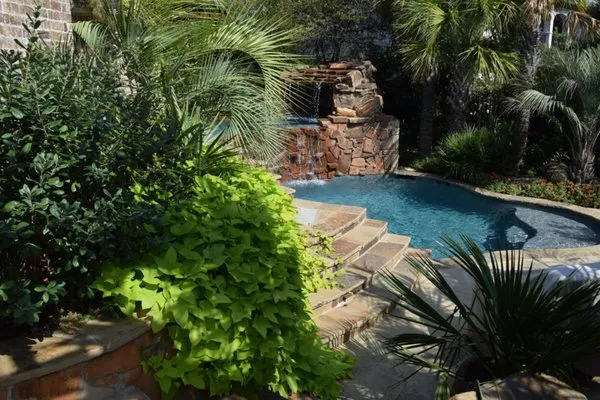
Safari Landscape is a licensed, locally-owned landscaping and masonry service proudly serving Trophy Club and the surrounding North Texas communities for over 30 years. We specialize in creating and m...

Bergstrom Landscape is a locally owned and operated landscaping and masonry business serving Trophy Club, TX, with nearly two decades of experience. Founded and run by Rex, the company specializes in ...
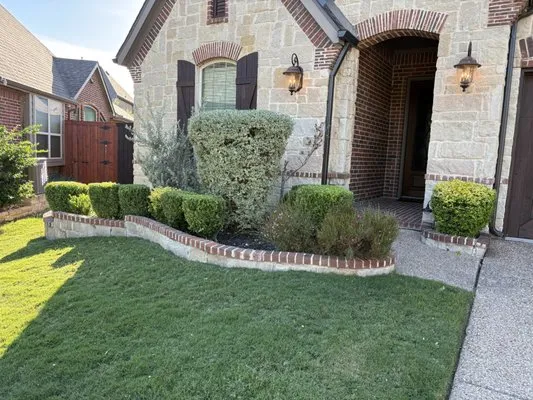
Mlawns is a dedicated lawn care provider serving Trophy Club, TX, with a focus on creating and maintaining beautiful, functional outdoor spaces. We specialize in comprehensive lawn care services, incl...

A Cut Above Lawn and Landscaping Service
A Cut Above Lawn and Landscaping Service is a dedicated, local Trophy Club company specializing in comprehensive lawn, tree, and landscape solutions. We address common local challenges like persistent...
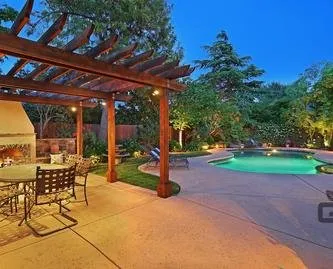
Greenworks Lawn & Landscape is your local Trophy Club expert for creating and maintaining beautiful, resilient outdoor spaces. We understand the common local challenges homeowners face, such as uneven...
Question Answers
I've seen invasive grasses choking out my lawn. How do I treat them without harming my soil?
Invasive species like Bermuda grass (in flower beds) or Johnson grass are common alerts. Correct identification is crucial before treatment. For selective removal, targeted post-emergent herbicides applied at specific growth stages are effective. Importantly, any treatment plan must be informed by a current soil test to avoid unnecessary Phosphorus application, which is prohibited by local ordinance unless a deficiency is proven. Integrating pre-emergent herbicides in early spring and maintaining dense, healthy turf or native plantings are the best cultural defenses.
My yard holds water after heavy rain. What's a long-term solution for this clay soil?
Water pooling is a direct result of the San Saba Clay's high shrink-swell potential and poor vertical percolation. A functional drainage plan often requires regrading to create positive slope away from foundations and installing subsurface French drains. For any new hardscaping, specify permeable base materials and consider using local Lueders Limestone set with permeable jointing sand. This approach increases surface infiltration and can help your project meet the Town of Trophy Club Community Development's standards for managing stormwater runoff on-site.
How can I keep my TifTuf Bermuda healthy under the twice-per-week watering restrictions?
Adherence to Stage 1 water restrictions is non-negotiable. The solution is precise scheduling via a Wi-Fi ET-based smart irrigation controller. This technology uses local evapotranspiration data to calculate exact water loss, adjusting runtime minutes for each zone. It ensures your TifTuf Bermuda receives deep, infrequent watering that promotes drought-tolerant roots, only on your assigned days. This method applies water at a rate the clay soil can absorb, preventing runoff and maximizing every gallon within municipal limits.
How quickly can a crew respond for emergency storm debris cleanup to meet HOA compliance deadlines?
For urgent HOA compliance or post-storm cleanup, our dispatch from the Trophy Club Park area allows for a calculated peak response time of 25-35 minutes. The primary route utilizes TX-114 for efficient access to Trophy Club Estates. Our 2026-standard electric maintenance fleet, including quiet blowers and chippers, can begin work immediately upon arrival within the Town's noise ordinance hours (after 7:00 AM). We prioritize securing the site and initiating debris removal to swiftly mitigate any safety hazards or violation notices.
Why does the soil in Trophy Club Estates feel so hard and dense in the summer?
Your property's age is a key factor. With an average build year around 2000, the soil profile on your 0.35-acre lot has had about 26 years to compact under construction equipment and routine maintenance. Trophy Club sits on San Saba Clay, which has a high shrink-swell potential and naturally poor vertical drainage. Over time, this creates a dense, impermeable layer that restricts root growth and water movement. Annual core aeration and incorporating 2-3 inches of composted organic matter are essential practices to rebuild soil structure and permeability.
What permits and credentials should I verify before hiring a contractor for major grading or landscape installation?
For significant earthwork or structural changes on a 0.35-acre lot, verification is critical. The contractor must be licensed by the Texas Department of Licensing and Regulation (TDLR) for irrigation and certain structural work. Any project altering drainage patterns or involving substantial hardscape likely requires a permit from the Town of Trophy Club Community Development office. Hiring a TDLR-licensed professional ensures they are bonded, insured, and knowledgeable about local codes, including the fertilizer ordinance and setback requirements, protecting you from liability and substandard work.
Is Lueders Limestone a better choice than wood for a new patio and retaining walls?
For longevity and fire resilience in USDA Zone 8b, Lueders Limestone is a superior material. It is a native stone with exceptional durability against freeze-thaw cycles and summer heat, requiring virtually no maintenance. Compared to wood, which decays and attracts pests, limestone provides permanent structure. In Trophy Club's Moderate Wildland-Urban Interface (WUI) fire-wise rating, non-combustible hardscapes like limestone create critical defensible space, slowing fire spread and protecting your property far more effectively than wooden structures.
What are some lower-maintenance alternatives to traditional lawn that fit our climate?
Transitioning to a climate-adapted landscape is a strategic move. Consider phased replacement of high-input turf with curated native and adaptive plantings like Texas Sage, Flame Acanthus, and Little Bluestem. These species require significantly less water, no regular mowing, and minimal fertilization once established. This shift aligns with evolving municipal codes, reducing dependency on gas-powered equipment ahead of stricter noise ordinances. It also enhances biodiversity and provides year-round visual interest with significantly lower resource consumption.
