Top Landscaping Services in Trinity, TX, 75862 | Compare & Call

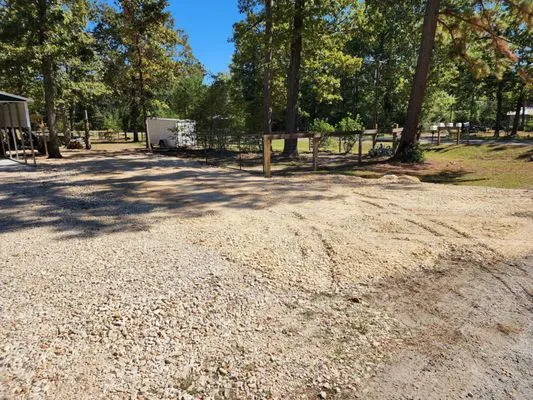
Roma AgriCare is your trusted local partner for landscaping, construction, and property management in Trinity, TX. We understand that local homes often face challenges like soil compaction, which chok...

Lakeside Lawns & Services is a family-owned and operated lawn care business serving Trinity, TX, founded by Aaron with a passion for maintaining local properties and improving customers' lives. We're ...
Solid Ground Land Solutions is a Trinity-based company specializing in comprehensive land management services, including fences & gates, excavation, and landscaping. We help local homeowners address c...

Smith Lawn and Out Door Services is a trusted lawn care provider serving Trinity, TX, dedicated to maintaining beautiful, healthy lawns for local homeowners. We specialize in comprehensive lawn care s...
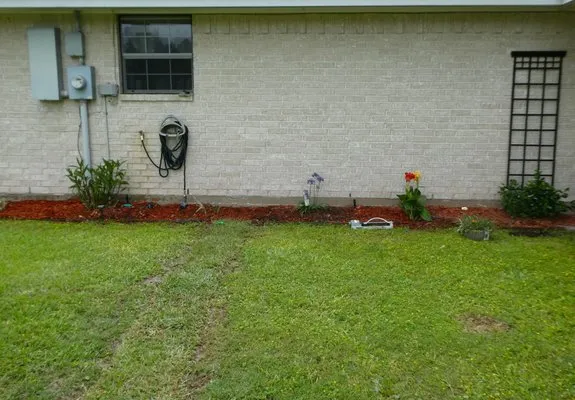
Westwood Shores Lawn Care is a licensed and fully insured lawn and tree service provider serving Trinity, TX, and surrounding areas. With years of experience, we specialize in comprehensive lawn maint...
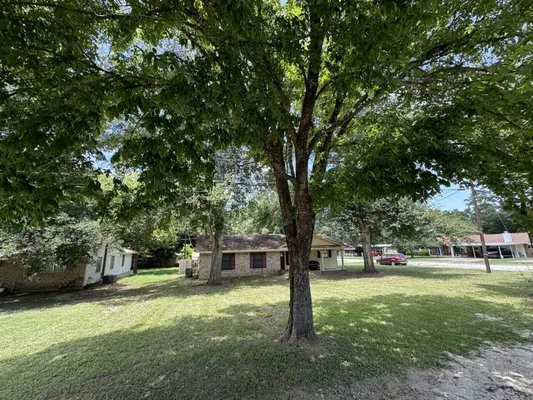
Liberty Lawn Care is Trinity's trusted partner for a healthy, vibrant lawn. We specialize in comprehensive lawn care services designed to tackle the common local challenges of patchy grass and stubbor...
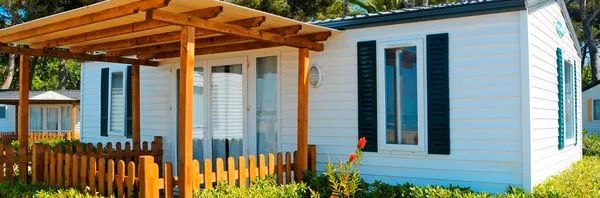
Southern Style Home Investors in Trinity, TX, is a trusted partner for enhancing and protecting your home's value. We specialize in professional interior and exterior painting, staining, and landscapi...

Raykhan Houston is a trusted local landscaping and tree service provider serving Trinity, TX. We specialize in diagnosing and fixing the common landscape issues homeowners face, such as poor lawn grad...
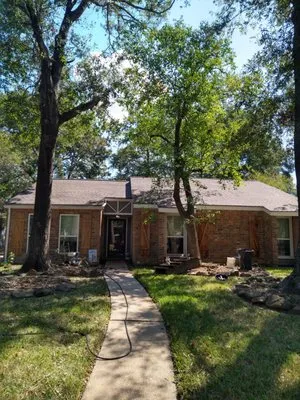
RC&L Services is a Trinity-based provider of comprehensive lawn, gutter, and pressure washing solutions. We specialize in addressing common local landscaping challenges, particularly tree root lawn da...
Questions and Answers
How do crushed granite and sandstone compare to wood for Trinity patios?
Crushed granite and native sandstone offer 25+ year durability in Trinity's climate versus wood's 8-12 year lifespan with constant maintenance. These materials provide non-combustible surfaces that support Moderate Fire Wise Zone 2 defensible space requirements around structures. Their natural permeability (12-15 inches/hour) exceeds Trinity's drainage standards while complementing the region's geological character. Installation over compacted base with geotextile barrier prevents weed intrusion and maintains level surfaces despite soil movement in acidic sandy loam, creating low-maintenance outdoor living spaces.
Should I replace high-maintenance turf with native plants in Trinity?
Transitioning to American Beautyberry, Yaupon Holly, and Switchgrass reduces mowing frequency from weekly to seasonal while providing habitat for pollinators. These natives thrive in Trinity's acidic sandy loam with minimal irrigation once established, aligning with 2026 biodiversity standards. The shift decreases gas-powered equipment use, positioning properties ahead of potential noise ordinance expansions targeting gas blowers. Purple Coneflower and Eastern Red Cedar plantings increase property resilience to drought periods and support Moderate Fire Wise Zone 2 compliance through strategic spacing and fuel reduction.
How quickly can you respond to an emergency cleanup after a storm in Trinity?
Our dispatch from the Trinity County Courthouse area uses TX-19 for primary access, ensuring a 20-30 minute arrival during peak storm response windows. This routing prioritizes arterial roads to bypass localized flooding in low-lying clay pockets common in Trinity City Center. We maintain electric equipment fleets that operate within the 70dB noise ordinance, allowing early morning or late evening compliance work without violating residential quiet hours. HOA deadline scenarios receive similar priority scheduling with documented before-and-after photography.
Why does my Trinity City Center lawn struggle with compaction and poor drainage?
Trinity's residential lots, developed around 1987, have acidic sandy loam soils that are now 39 years old. This soil maturity means repeated foot traffic and equipment use have reduced permeability, creating dense layers that restrict root growth and water movement. Core aeration with organic amendments like composted pine bark addresses this by improving soil structure and increasing water retention. The acidic pH range of 5.5-6.5 in this neighborhood favors native species but requires regular soil testing to maintain optimal conditions for St. Augustine turf.
Can I maintain a healthy lawn under Trinity's Stage 1 water restrictions?
Smart Wi-Fi ET-based weather sensing controllers optimize irrigation by calculating evapotranspiration rates specific to Trinity's USDA Zone 8b climate. These systems adjust watering schedules based on real-time weather data, reducing St. Augustine or Common Bermuda turf water use by 20-30% while maintaining plant health. Programming follows municipal voluntary conservation guidelines by avoiding midday watering and implementing cycle-soak protocols for sandy loam soils. This technology prevents overwatering that exacerbates drainage issues in clay pockets while meeting turf's 1-1.5 inch weekly requirement during peak growing seasons.
What permits and licenses are needed for grading my 0.35-acre Trinity lot?
Grading projects exceeding 100 cubic yards of earth movement require Trinity City Planning & Zoning Department approval with engineered drainage plans. Contractors must hold Texas Department of Licensing and Regulation registration for excavation work, ensuring compliance with state BMPs for erosion control. On 0.35-acre lots, proper licensing becomes critical when modifying natural drainage patterns affecting neighboring properties. The permit process verifies that finished grades maintain minimum slopes away from structures and incorporate stormwater management features appropriate for the property's soil composition and flood potential.
What solutions prevent flooding in my Trinity yard's low-lying areas?
Localized flooding in Trinity's acidic sandy loam often occurs where clay subsoil creates impermeable layers. Installing French drains with clean gravel and geotextile fabric redirects surface water away from foundations. Permeable hardscaping using crushed granite or native sandstone meets Trinity City Planning & Zoning Department runoff standards by allowing 8-12 inches per hour infiltration rates. For severe cases, regrading with 2% slope away from structures combined with dry creek beds using local stone provides both functional drainage and aesthetic appeal while addressing the soil's natural drainage limitations.
What invasive species threaten Trinity lawns and how do I treat them safely?
Trinity properties face persistent invasions from Bermudagrass encroachment in St. Augustine turf and nutsedges in planting beds. Selective herbicide applications during active growth periods avoid Texas BMP phosphorus restrictions on established turf. For organic approaches, corn gluten meal applications in early spring prevent crabgrass germination while improving soil nitrogen levels. Always schedule treatments outside municipal fertilizer blackout dates and consider soil solarization with clear plastic during July-August heat for non-chemical control of annual weeds without disrupting soil pH balance.
