Top Landscaping Services in Temple, TX, 76501 | Compare & Call
There are 194 landscaping companies server in Temple TX
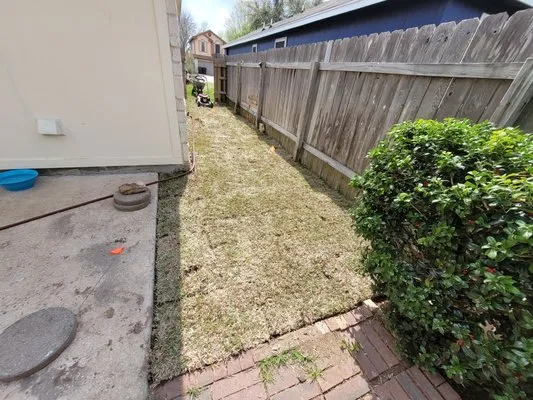
2nd Chance Landscaping And Lawncare is a trusted lawn service provider in Lockhart, TX, specializing in comprehensive lawn care solutions tailored to the local environment. We help Lockhart homeowners...
J & K Irrigation is a trusted, full-service landscaping and irrigation company serving homeowners and businesses in Belton, TX, and the surrounding Central Texas area. We specialize in creating and ma...
Founded in 2021, Mow X is a Belton-based lawn care service built on a passion for dependable results and community focus. We approach every job with a systematic, perfected method, ensuring quality mo...
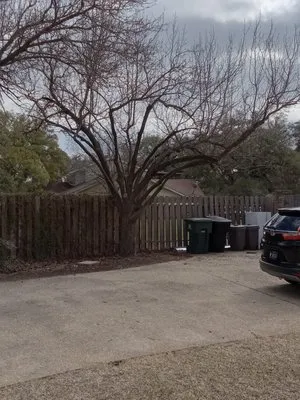
Big Bell's Trees and Landscaping is a trusted local provider in Temple, TX, specializing in comprehensive tree services and landscaping solutions. We help Temple homeowners tackle common local issues ...
Estimated Landscaping Service Costs in Temple, TX
Common Questions
How can I maintain healthy turf while following Temple's Stage 1 water conservation guidelines?
EPA WaterSense labeled Wi-Fi ET-based controllers optimize irrigation by adjusting schedules based on real-time evapotranspiration data. These systems reduce water use by 20-30% while preserving TifTuf Bermuda or St. Augustine turf health. Programming follows Temple's voluntary conservation stage, preventing overwatering during peak demand. Smart controllers automatically adjust for rainfall, eliminating unnecessary irrigation cycles.
What permits and licenses are required for regrading my 0.22-acre Temple property?
The Temple Planning & Development Department requires grading permits for significant earth movement on residential lots. Texas Department of Licensing and Regulation certification ensures contractors understand Blackland Prairie soil dynamics and proper drainage techniques. On 0.22-acre parcels, even minor grading can impact water flow patterns and neighboring properties. Licensed professionals carry insurance protecting against clay expansion-related foundation issues that may arise from improper grading.
How quickly can you respond to an HOA violation notice for overgrown vegetation in Temple?
Emergency compliance crews dispatch from the Santa Fe Depot area, taking I-35 to reach Historic District properties within 20-30 minutes during peak periods. This rapid response window accommodates Temple's 7:00 AM to 9:00 PM mechanical equipment ordinance. We prioritize vegetation management to meet HOA standards while adhering to noise restrictions, with electric equipment minimizing disturbance in residential zones.
What solutions prevent foundation damage from Temple's expansive clay soils during heavy rains?
Blackland Prairie Vertisol exhibits high shrink-swell characteristics that threaten structural integrity. Permeable Austin Chalk Limestone hardscaping creates stable surfaces that manage runoff while meeting Temple Planning & Development Department standards. French drains with proper grading direct water away from foundations, preventing saturation of expansive clay. These systems maintain soil moisture equilibrium, reducing cyclical expansion and contraction.
How do I manage invasive species without violating Temple's fertilizer regulations?
Targeted mechanical removal addresses common invaders like Bermuda grass encroachment in native beds. Temple's Best Management Practices for nutrient runoff prevention restrict certain chemical applications during specific periods. Cultural controls including proper mowing heights and soil health management create competitive environments that suppress invasives. Mycorrhizae inoculants improve native plant vigor, naturally crowding out undesirable species without chemical intervention.
Why choose limestone over wood for Temple patio installations given fire safety concerns?
Austin Chalk Limestone provides superior durability and fire resistance compared to combustible wood materials. This non-combustible surface meets Temple's Moderate Fire Wise rating requirement for 5-foot defensible perimeters around structures. Limestone's thermal mass moderates temperature extremes while withstanding Central Texas weather cycles. Properly installed limestone hardscaping maintains integrity for decades without the maintenance demands or fire risk associated with wooden alternatives.
What landscape alternatives reduce maintenance while supporting local ecology in Temple?
Transitioning from high-input turf to native plantings like Texas Sage, Flame Acanthus, and Gulf Muhly creates resilient landscapes requiring minimal intervention. These species thrive in USDA Zone 8b conditions without frequent mowing or blowing, aligning with Temple's evolving noise ordinances. Native plant communities support pollinators while reducing water consumption by 60-70% compared to traditional lawns, creating self-sustaining ecosystems.
Why does my Temple Historic District yard have such hard, cracked soil that won't absorb water?
Your property's soil has developed over 37 years since the typical 1989 construction. Temple's Blackland Prairie Vertisol clay becomes increasingly compacted over time, reducing permeability. The pH range of 7.5-8.2 indicates alkaline conditions that limit nutrient availability. Core aeration with organic compost amendments addresses both compaction and pH imbalance, improving soil structure for better water infiltration.
