Top Landscaping Services in Taylor, TX, 76574 | Compare & Call
There are 185 landscaping companies server in Taylor TX
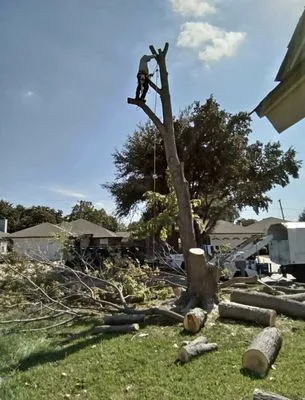
Mr Concrete & Services is a trusted local contractor in Manor, TX, specializing in tree services, landscaping, and masonry/concrete work. We help homeowners tackle common landscaping issues like lands...

Bright and Shiny Lawn Care/Landscaping is your trusted local landscaping partner in Rockdale, TX, offering comprehensive services to keep your outdoor spaces healthy and beautiful. We specialize in ga...

Heroes Lawn Care of Northeast Austin, TX
Heroes Lawn Care of Northeast Austin, TX serves Hutto homeowners with comprehensive lawn solutions. We specialize in irrigation construction, design, and repair to fix common sprinkler leaks that wast...

Dos Landscaping Services is a family-owned and operated business built on honesty and a commitment to taking care of our Del Valle neighbors. Founded by two brothers, we believe in treating every cust...
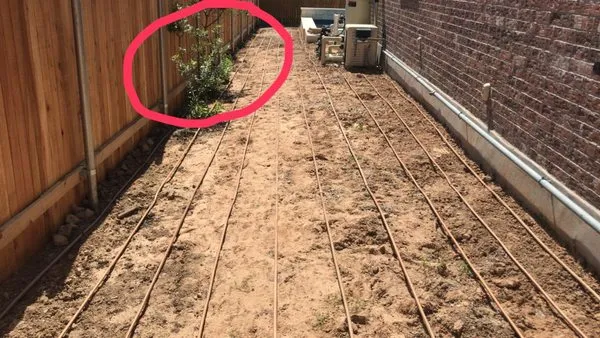
Derrick Nevitt is the owner and operator of Nevitt Irrigation Services in Dripping Springs, TX, bringing nearly a decade of irrigation expertise to the community. Specializing in water conservation—a ...
Estimated Landscaping Service Costs in Taylor, TX
FAQs
If a storm knocks a large limb into our yard, what's the fastest way to get emergency cleanup?
For immediate dispatch, a crew can route from our central staging at Murphy Park north via US-79, reaching Heritage Square within the 20-30 minute peak response window. The priority is clearing hazards for safety and access. All equipment, including electric chippers and haul vehicles, operates within Taylor's noise ordinance (10 PM - 7 AM), allowing for extended, quiet work hours if the emergency occurs in the evening.
Our older Heritage Square yard seems to fight everything we plant. Could the soil itself be the problem?
This is a defining characteristic of Taylor's Blackland Prairie. Lots from the 1970s construction era, like yours, have nearly 50 years of soil compaction. The native Vertisols are high-pH (7.5-8.2) clay that expands when wet and contracts when dry, suffocating roots. Core aeration and incorporating 3-4 inches of expanded shale or composted organic matter are not optional; they are essential first steps to improve soil structure and nutrient availability for any new planting.
How can we keep our St. Augustine grass alive during the summer without violating water restrictions?
Stage 1 voluntary conservation in Taylor requires precision. Wi-Fi ET-based irrigation controllers are the standard solution. They automatically adjust run times daily based on real-time evapotranspiration data, local rainfall, and soil moisture. This technology applies water only when and where the turf needs it, maintaining grass health while reducing total consumption by 20-40% compared to traditional timer-based systems, keeping you well within municipal guidelines.
We're tired of weekly mowing and gas-powered noise. What's a quieter, lower-maintenance alternative?
Transitioning to a xeriscape with native plants directly addresses both concerns. Planting drifts of Texas Sage, Flame Acanthus, and Gulf Muhly eliminates weekly mowing. These plants thrive in our zone 8b climate with minimal water once established. This shift also future-proofs your property against evolving noise ordinances targeting gas blowers and mowers, as maintenance shifts to occasional pruning with electric hand tools.
We've spotted invasive vines and weeds taking over a garden bed. How should we handle them?
First, identify the species—common alerts include Chinese Tallow or Japanese Climbing Fern. Manual removal is best for small infestations. For larger areas, a targeted, systemic herbicide applied in early growth stages is effective. Any follow-up soil amendment or fertilization must adhere to local BMP phosphorus reduction guidelines, which often restrict certain applications during specific seasons to protect watershed health.
Our yard holds water for days after a rain, creating a muddy mess. What's a lasting fix?
Poor permeability is inherent to the shrink-swell clay. The solution involves redirecting water flow. Installing French drains or dry creek beds with perforated pipe in gravel channels captures subsurface water. For new patios or walkways, specifying permeable concrete or a compacted crushed limestone base greatly increases surface infiltration, helping manage runoff on-site to meet Taylor Development Services Department standards for drainage plans.
Do we need a permit to regrade our backyard for better drainage, and what kind of professional should we hire?
Yes. Regrading that alters water flow or involves significant cut/fill typically requires review by the Taylor Development Services Department. For a 0.22-acre lot, the scale of work necessitates hiring a contractor licensed by the Texas Department of Licensing and Regulation (TDLR) for irrigation or landscaping. This ensures the work meets city codes for erosion control and drainage, protecting your property and your neighbors' from unintended runoff consequences.
Is crushed limestone or permeable concrete better for a new patio that needs to last?
For longevity and low maintenance in Taylor's environment, permeable concrete is superior. It provides a stable, solid surface resistant to the shifting forces of expansive clay. Crushed limestone requires more frequent re-leveling. Both materials support Firewise WUI Zone 2 compliance by creating non-combustible defensible space. Permeable concrete also offers the added benefit of significantly reducing stormwater runoff from the hardscape itself.
