Top Landscaping Services in Taylor Lake Village, TX, 77586 | Compare & Call
There are 196 landscaping companies server in Taylor Lake Village TX
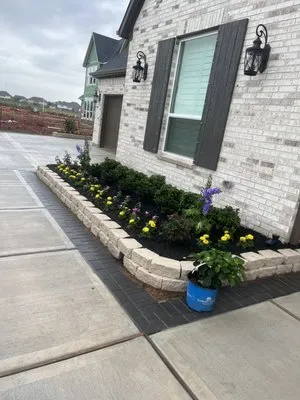
Gonzalez's Landscaping is a trusted, full-service landscaping company serving League City, TX, and the surrounding areas. We specialize in comprehensive landscape design, construction, and maintenance...
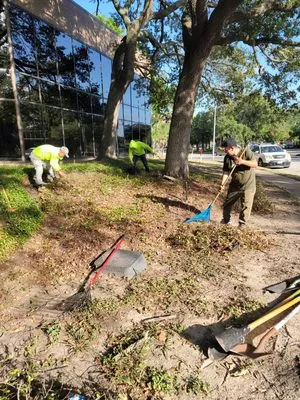
Roses Landscaping is a Webster-based company specializing in comprehensive landscaping, tree services, and pressure washing. We help Webster homeowners maintain beautiful, functional outdoor spaces th...
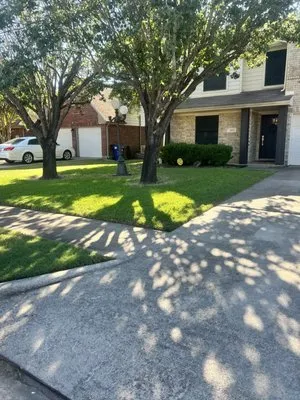
E&C Services is a trusted, locally-owned provider serving Texas City, TX, bringing comprehensive solutions for your home and property under one roof. We specialize in three core areas: reliable lawn c...
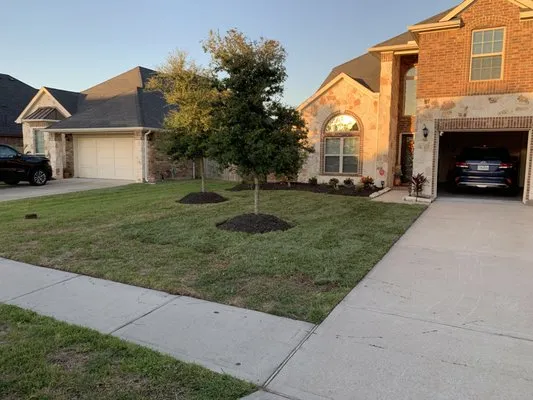
Joaquín’s Olvera Lawn Service and Landscaping is a locally-owned and operated business dedicated to keeping League City yards healthy and well-maintained. We understand the unique needs of our Gulf Co...
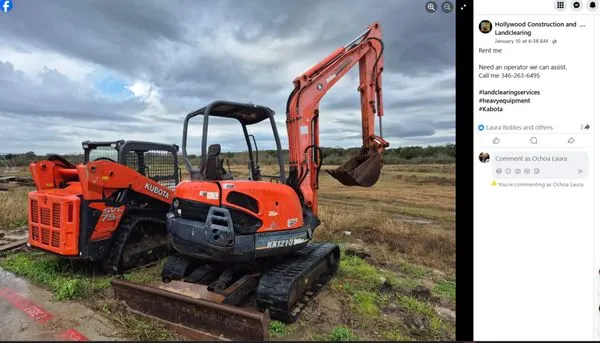
Hollywood Construction and Landclearing
Hollywood Construction and Landclearing is a dedicated local service provider in League City, Texas, focused on solving the specific outdoor challenges faced by homeowners. We specialize in excavation...

Green Planet Tree Service is a trusted local provider of comprehensive tree and lawn care solutions for homeowners in League City, TX. We specialize in tree planting, pruning, removal, stump grinding,...

Massey Services is a trusted local provider in League City, TX, offering comprehensive pest control and outdoor care solutions. Our team understands the unique challenges homeowners face, such as post...
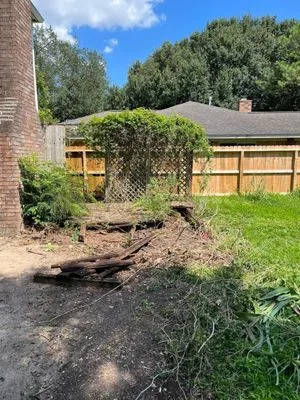
Javier's Lawn Service is a trusted local provider in Dickinson, TX, offering comprehensive junk removal, hauling, demolition, and lawn care solutions. We specialize in addressing common local landscap...
Trinity Solutions is Webster's trusted partner for creating healthy, beautiful lawns. We understand the local challenges, particularly bare lawn patches and poor lawn grading, which can lead to water ...
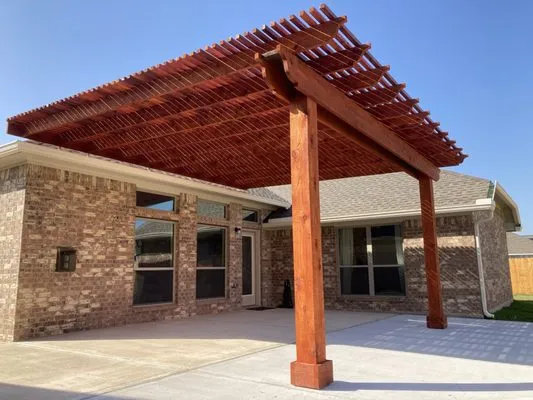
JRH Custom Outdoors is a family-owned landscaping and outdoor construction company proudly serving League City, TX, from a home office in the Magnolia Creek Subdivision. Founded by Raymond Hopkins, ou...
Estimated Landscaping Service Costs in Taylor Lake Village, TX
Frequently Asked Questions
I'm tired of weekly mowing and blowing. Are there quieter, lower-maintenance options?
Transitioning perimeter beds to a xeriscape of native species directly reduces maintenance inputs. Gulf Coast Muhly, Turk's Cap, and American Beautyberry thrive in our clay and require no supplemental irrigation once established. This shift minimizes gas-powered mowing and blowing, aligning with evolving noise ordinance sensibilities. Coral Honeysuckle provides vertical interest without the invasive risks of non-native vines.
My contractor says he doesn't need a permit to regrade my backyard. Is that true?
That is incorrect for a property of 0.35 acres. Any significant grading that alters water flow or impacts structural foundations requires a permit from the Taylor Lake Village Building Department. Furthermore, the individual or company performing the work must hold appropriate licensing through the Texas Department of Licensing and Regulation. Always verify both the permit and the license to ensure liability coverage and that work meets municipal codes.
My established St. Augustine has thin, weak spots. Is the soil just worn out?
With neighborhood homes averaging 51 years old, soil maturity is a primary factor. Taylor Lake Estates lots are built on unamended Lake Charles clay, a Vertisol that compacts severely over decades. This heavy clay, with a pH of 7.2-7.8, restricts root growth and water percolation. Annual core aeration and incorporating 1-2 inches of composted organic matter are non-negotiable practices to rebuild soil structure and cation exchange capacity.
How do I keep my lawn green under Stage 1 water conservation rules?
Effective irrigation here is about precision, not volume. Wi-Fi ET-based controllers use local evapotranspiration data to apply only the water your St. Augustine turf has actually lost, preventing overwatering. This system automatically adjusts for rainfall and humidity, ensuring maximum efficiency. Adhering to this technology is the best method to maintain turf health while operating well within voluntary municipal conservation guidelines.
What's this vine smothering my shrubs, and how do I remove it safely?
You are likely describing invasive Japanese honeysuckle or cat's claw vine. Manual removal of roots is best, but for severe infestations, a targeted glyphosate application to fresh-cut stems may be necessary. Always confirm the species first. Crucially, any follow-up fertilizer must be phosphorus-free per local ordinance, unless a verified soil test demonstrates a deficiency, which is rare in our mineral-rich clay soils.
A storm knocked down a large limb. How fast can a crew get here for an emergency cleanup?
For urgent HOA compliance or hazard removal, our standard emergency dispatch originates from the Taylor Lake Village City Hall area. Taking NASA Parkway (FM 528) provides the most direct arterial route into Taylor Lake Estates. Accounting for peak traffic conditions, a dedicated crew can typically be on-site within the 20-30 minute window for initial assessment and safety mitigation.
My yard floods after every rain. What's a permanent solution for this clay?
Chronic pooling results from the extremely poor permeability of Lake Charles clay. Solutions must manage water at the surface and subsurface. Installing a French drain system tied to a safe outlet is critical. For patios or paths, specifying permeable crushed limestone or gap-jointed concrete pavers allows infiltration, often a requirement for new hardscape permits from the Taylor Lake Village Building Department to mitigate runoff.
Should I use wood or stone for a new patio that will last?
For longevity and reduced upkeep, crushed limestone or concrete pavers are superior to wood in our humid climate. They offer permanent stability without rotting. From a Firewise perspective, using non-combustible materials for patios and pathways within the critical 30-foot defensible space zone around your home is a recommended practice for our moderate-risk urban interface community, enhancing both durability and safety.
