Top Landscaping Services in Stamford, TX, 79521 | Compare & Call
There are 47 landscaping companies server in Stamford TX
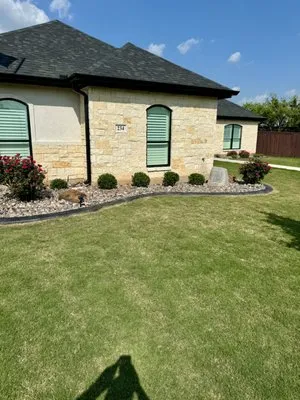
West Texas Pride Lawn Care is a locally-owned lawn and irrigation service provider in Lawn, TX, dedicated to helping residents achieve and maintain healthy, resilient outdoor spaces. We specialize in ...
Blue Light Landscapes is a family-owned and operated lawn care and irrigation business proudly serving the Abilene, TX community. With years of experience and a commitment to honest, fair pricing, we ...
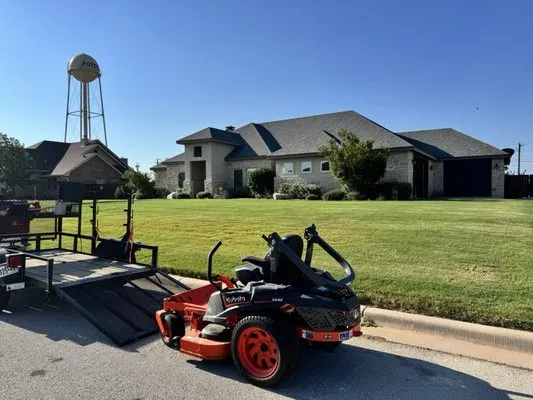
Riley Webb's Lawn Services provides professional lawn care solutions for Abilene homeowners. We specialize in addressing common local landscaping challenges like dying shrubs and standing water in yar...

DGL Handyman Services is a trusted, full-service provider in Abilene, TX, offering comprehensive handyman, landscaping, and general contracting solutions. We help local homeowners and businesses with ...

J&K Jacks Of All Trades is a family-owned and operated Abilene business built on a foundation of deep, local experience. While the company was officially launched in 2021, the team behind it brings a ...

Rodriguez Landscaping brings over 15 years of hands-on experience to San Angelo, TX, having officially launched our own business in 2023. We specialize in comprehensive outdoor solutions, including de...

Above The Rest Outdoor Services
Above The Rest Outdoor Services is your trusted, full-service partner for enhancing and protecting your Rising Star property. We specialize in comprehensive tree care, expert landscaping, and reliable...

Hopkins Mowing is your trusted local lawn care provider in Clyde, TX, specializing in keeping your property healthy and well-maintained. We understand the unique challenges Clyde yards face, such as s...
Stokely Removal Services is a locally owned and operated business serving Abilene, Texas, specializing in junk removal, hauling, tree services, and lawn care. We provide comprehensive solutions for ap...
Moreno's Lawncare is a family-owned business in Abilene, TX, built on a decade of hands-on experience and a foundation of faith. Officially launched in 2019, the company is a father-son partnership le...
Estimated Landscaping Service Costs in Stamford, TX
Questions and Answers
Why does my Central Stamford lawn look so compacted and tired?
The average construction date for homes in this area is 1958, meaning your soil profile has had over 65 years to settle and degrade without significant intervention. Neighborhood lots predominantly feature a neutral to alkaline clay loam, which naturally compacts over decades, reducing pore space and root penetration. This history necessitates core aeration to alleviate compaction, followed by incorporating organic compost to rebuild soil structure and microbial activity.
What invasive weeds should I watch for, and how do I control them safely?
In this region, watch for Bermuda grass encroachment into planting beds and invasive species like Johnsongrass. Treatment requires a targeted, integrated approach. Spot applications of appropriate herbicides, timed outside of any state-mandated nutrient management blackout periods, can be effective. For organic control, consistent manual removal before seed set is critical to prevent violation of local environmental guidelines.
My yard floods after every rain. What's the solution for heavy clay soil?
High runoff in Stamford is directly caused by the low permeability of our native clay loam. Effective solutions involve regrading to create positive drainage away from foundations and installing French drains or dry creek beds. For hardscape areas, using permeable crushed limestone as a base material can significantly improve infiltration, helping new installations meet the Stamford City Secretary's stormwater runoff standards.
What permits and credentials are needed to regrade my 0.22-acre lot?
Significant grading that alters drainage patterns or involves cut/fill exceeding 18 inches typically requires a permit from the Stamford City Secretary and Planning Department. For the work itself, ensure your contractor holds appropriate licensing from the Texas Department of Licensing and Regulation. This is crucial on a 0.22-acre lot where improper grading can create runoff liabilities for neighboring properties and violate municipal codes.
How do I keep my Common Bermuda grass green under Stage 1 water restrictions?
Stage 1 voluntary conservation in Stamford requires precise water management. A Smart Wi-Fi ET-based controller is essential, as it automatically adjusts irrigation schedules using local weather data and real-time evapotranspiration rates. This technology applies water only when the turf needs it, maintaining Common Bermuda health while reducing overall consumption well below municipal limits and preventing wasteful runoff.
How fast can you respond for an urgent HOA violation cleanup?
For compliance-driven emergencies, our standard dispatch originates near Stamford City Hall. Using US Highway 277, we can typically reach most Central Stamford properties within the regional emergency response window of 45 to 60 minutes. This routing allows for efficient mobilization of equipment to address issues like overgrowth or debris before a formal notice is issued.
Is crushed limestone a better choice than wood for a new patio?
For durability and fire resilience in Stamford's climate, crushed limestone is superior to wood. It provides a stable, permeable surface that withstands heat and weathering with minimal maintenance. In the context of the city's Moderate Fire Wise Rating for interface zones, this non-combustible material also contributes to defensible space requirements, an important consideration for long-term property safety and compliance.
Is there a lower-maintenance, quieter alternative to my traditional lawn?
Transitioning to a landscape anchored by natives like Texas Sage, Little Bluestem, Sideoats Grama, and Honey Mesquite dramatically reduces water, mowing, and chemical inputs. This xeriscape approach also future-proofs your property against evolving noise ordinances that may restrict gas-powered blowers. These deep-rooted plants build soil health and provide superior habitat, aligning with 2026 biodiversity benchmarks.
