Top Landscaping Services in Splendora, TX, 77372 | Compare & Call
There are 198 landscaping companies server in Splendora TX

Double G Landscaping is a trusted local landscaping company serving Porter, TX, and surrounding areas. We specialize in comprehensive landscape maintenance, lawn care, and expert tree care services, i...
Kyles Landscaping in New Caney, TX, is a dedicated local service provider focused on maintaining and enhancing outdoor spaces for homeowners and businesses. We specialize in addressing common local la...
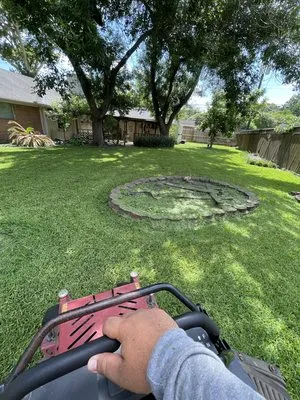
CP Landscape Service is a trusted local provider in Cleveland, TX, specializing in comprehensive lawn care, gardening, and fence solutions. We help homeowners address common landscaping challenges lik...
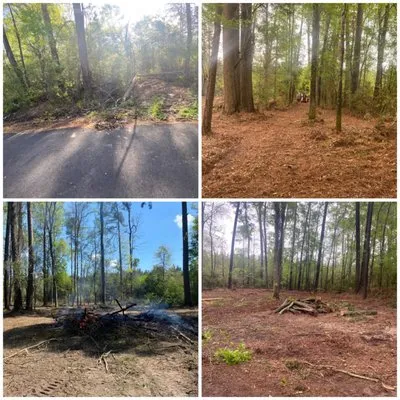
ARJ Land Services is a Cleveland, TX-based excavation, tree, and landscaping company providing comprehensive land management solutions for residential and commercial properties. We specialize in soil ...
BD Services is a trusted local provider in New Caney, TX, offering comprehensive solutions for homeowners facing common landscaping challenges like dying shrubs and patchy lawn grass. We specialize in...
Iglesias Lawn Services is your trusted local lawn and gutter care expert in Porter, TX. We specialize in comprehensive landscaping, precise gutter cleaning and installation, and powerful pressure wash...

4H Construction is a Porter-based masonry, concrete, and landscaping company serving Montgomery County and surrounding areas. We specialize in comprehensive outdoor solutions, from earthmoving and reg...
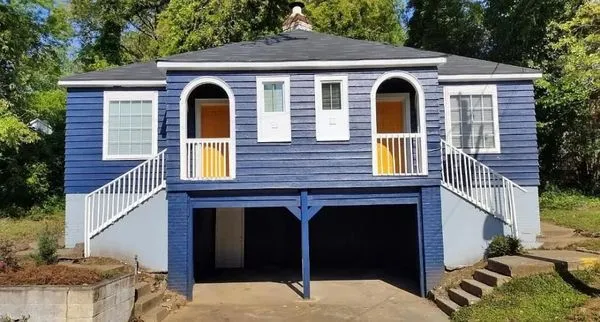
JW Lawn Care is a trusted, full-service contractor serving New Caney, TX, and the surrounding communities. We specialize in solving common local landscaping challenges, such as overgrown shrubs that o...
Estimated Landscaping Service Costs in Splendora, TX
Common Questions
Our yard seems to struggle with drainage and plant health. Could this be related to the age of our property?
Properties in Splendora City Center built around 1997 have soil that has matured for approximately 29 years. Acidic fine sandy loam in this timeframe often develops high clay subsoil compaction, reducing permeability. Core aeration and organic amendments like composted pine bark improve soil structure by increasing pore space. This addresses the common issue of slow water movement while maintaining the optimal pH range of 5.5-6.5 for local turf and native species.
What permits and licensing are required for significant grading work on our property?
Grading projects on 0.50-acre lots in Splendora require permits from the City of Splendora Planning and Development Department, particularly for drainage alterations. Contractors must hold appropriate licensing through the Texas Department of Licensing and Regulation, ensuring compliance with erosion control and stormwater management standards. Professional oversight prevents soil compaction issues and ensures proper slope stabilization, which is critical given the area's clay subsoil characteristics and rainfall patterns.
Water pools in our yard after heavy rains. What solutions work with our soil type?
Acidic fine sandy loam with clay subsoil exhibits slow permeability, creating surface pooling. Installing French drains with gravel beds improves subsurface water movement. For hardscape areas, crushed granite or Lueders limestone offer greater permeability than solid concrete, meeting City of Splendora Planning and Development Department runoff standards. These materials allow water infiltration while providing stable surfaces for foot traffic.
We're considering patio materials. How does crushed granite compare to wood for our area?
Crushed granite or Lueders limestone offer superior longevity to wood in Splendora's climate, resisting moisture damage and insect infestation. These materials maintain structural integrity for 15-20 years with minimal maintenance. For properties in Moderate WUI Zone 2, they provide defensible space by reducing flammable organic material accumulation. Their permeability also supports Fire Wise compliance while managing stormwater runoff more effectively than solid surfaces.
We need emergency storm cleanup to meet HOA compliance deadlines. How quickly can a crew arrive?
Emergency response from Splendora City Hall via US-59 (I-69) typically requires 20-30 minutes during peak conditions. Crews follow optimized routes that account for traffic patterns and access points in the City Center neighborhood. This timeframe ensures rapid debris removal and landscape restoration while adhering to standard noise limits. Coordination with property managers can streamline compliance documentation for storm-damaged areas.
We've noticed invasive species in our landscape. How should we address them safely?
Common invasive alerts in Splendora include Chinese tallow and Japanese climbing fern. Manual removal before seed set proves most effective, followed by targeted herbicide applications during active growth periods. Always follow Texas Department of Licensing and Regulation guidelines for chemical use, avoiding fertilizer ordinance blackout dates. Regular monitoring and early intervention prevent establishment while protecting native plant communities and soil microbiology.
How can we maintain our St. Augustine lawn during Stage 1 water restrictions without overwatering?
Wi-Fi ET-based weather sensing irrigation systems calculate evapotranspiration rates using local weather data. This technology applies water only when needed, typically reducing usage by 20-30% compared to traditional timers. For Palmetto St. Augustine or Centipede grass, these systems preserve turf health while staying within voluntary conservation guidelines. Proper programming accounts for Splendora's seasonal rainfall patterns and soil moisture retention characteristics.
We want to reduce maintenance while preparing for potential equipment changes. What are our options?
Replacing high-maintenance turf with native plantings like American Beautyberry, Yaupon Holly, Gulf Muhly, and Black-eyed Susan reduces water and chemical inputs. These species require minimal mowing and eliminate gas-blower dependency, positioning properties ahead of potential phase-out regulations. Native plant communities support local pollinators and adapt readily to USDA Zone 9a conditions with established root systems that improve soil stability.
