Top Landscaping Services in Smithville, TX, 78957 | Compare & Call


Texas CEO Property Services is a Smithville-based company founded in 2024 from the operational needs of the Texas CEO Ranch. Born on a working property where tasks demand reliability and practical sol...
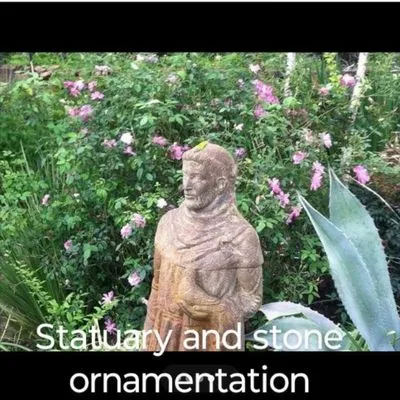
Bastrop County landscaping and design
Since 1986, Bastrop County landscaping and design in Smithville, TX has been rooted in a genuine passion for plants and creating outdoor spaces that bring joy to homeowners. We specialize in working w...
David Otahal Landscape And Design is a dependable, professional, and honest landscaping company serving Smithville, TX. Our team combines a keen eye for aesthetic design with the practical skill to br...
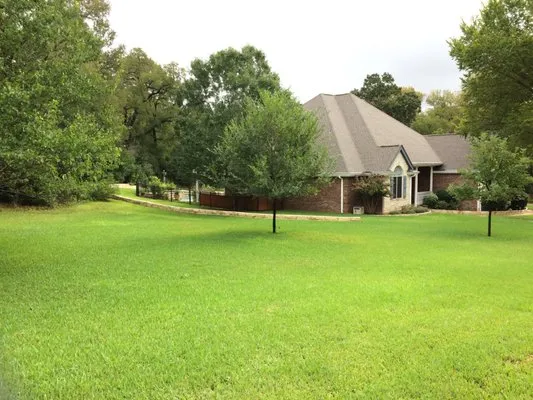
Rain Texas Landscape Service is a Smithville-based landscaping company with over 18 years of dedicated service to Travis and Bastrop counties. We specialize in transforming and maintaining residential...

Timmy’s Lawn Care is a Smithville-based lawn service dedicated to making professional care accessible for every homeowner. We believe a well-maintained yard should be within reach, which is why we wor...
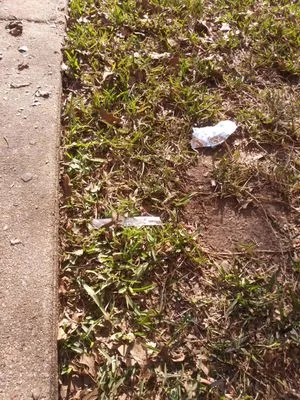
Clean Cut Lawn Care is your local lawn and property maintenance provider serving the Smithville and Bastrop, Texas communities. We specialize in reliable lawn care, including mowing, trimming, edging,...
ATR Landscaping is a trusted, locally-owned landscaping company serving Smithville, TX, and the surrounding communities. We specialize in addressing the common local challenges of patchy lawn grass an...
Bee Mowed is your trusted, locally-owned landscaping partner in Smithville, TX. We understand the unique challenges Smithville lawns face, particularly poor grading that leads to drainage issues and t...
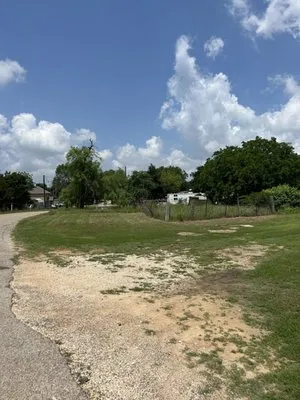
Mow and Go Lawncare is your trusted local lawn service provider in Smithville, TX, dedicated to keeping your yard healthy and vibrant. We specialize in comprehensive lawn care solutions, including mow...
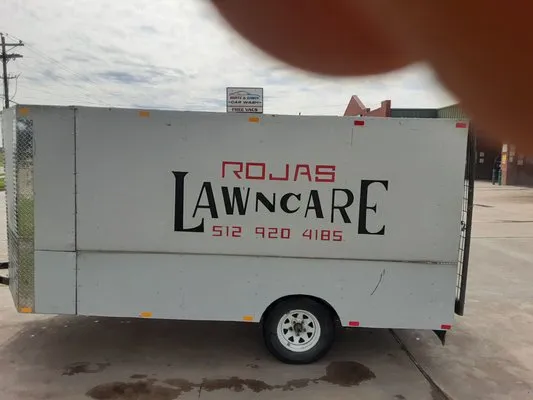
ROJAS LAWNCARE is a trusted lawn service provider in Smithville, TX, specializing in comprehensive lawn care solutions for local homeowners. We understand the common landscaping challenges in our area...
Common Questions
What should we do about invasive weeds like Bermuda grass in flower beds?
Aggressive species alert: Bermuda grass can invade landscaped areas. Manual removal is most effective, but targeted, spot-applied herbicides may be necessary. All treatments must use phosphorus-free formulations to comply with local ordinance, and applications should be timed to avoid blackout dates to protect local waterways. Consistent mulching with arborist chips suppresses further germination.
Is there a lower-maintenance alternative to a traditional grass lawn?
Transitioning high-input turf to a xeriscape of native plants like Texas Bluebonnet, Turk's Cap, and Little Bluestem significantly reduces water, mowing, and fertilization needs. This shift preempts tightening noise ordinances on gas-powered blowers and supports 2026 biodiversity goals. Natives are adapted to local climate and alkaline clay, creating a resilient landscape that requires minimal intervention.
How do we keep our lawn alive during water restrictions?
Stage 1 voluntary conservation requires efficient water use. Wi-Fi ET-based weather-sensing controllers are critical; they automatically adjust irrigation schedules based on real-time evapotranspiration data. For TifTuf Bermuda or St. Augustine, this technology prevents overwatering by aligning irrigation precisely with plant need, conserving municipal water while maintaining turf health during our hottest months.
What permits and licenses are needed to regrade our yard?
Altering drainage on a 0.22-acre lot typically requires a permit from the Smithville Development Services Department to ensure compliance with runoff management codes. The contractor must hold appropriate licensing from the Texas Department of Licensing and Regulation (TDLR), as grading work impacts structural drainage and adjacent properties. Unlicensed work can lead to erosion violations and costly corrective orders.
Are permeable pavers a good choice for a patio here?
Compared to wood, crushed limestone or permeable concrete pavers offer superior longevity in Smithville's climate and are non-combustible, aiding compliance with the Moderate (WUI Zone 2) Fire Wise rating for defensible space. These materials manage the site's inherent drainage hazard, reduce heat island effect, and provide a stable, low-maintenance surface that integrates with the native soil profile.
Why does our clay soil get so hard, and what can we do about it?
Homes built in 1978, like many in the Historic District, have nearly 50 years of soil compaction from construction and routine maintenance. The Bastrop Silty Clay common here is alkaline and has a high shrink-swell potential, which naturally reduces permeability. Core aeration and incorporating 3-4 inches of composted organic matter are essential to disrupt compaction, lower pH, and improve water infiltration for plant health.
Our yard floods after heavy rain. What's the best solution?
Poor infiltration is a hallmark of alkaline clay soil with high shrink-swell potential. To manage runoff and meet Smithville Development Services Department standards, replace impermeable surfaces with permeable concrete pavers or crushed limestone. These materials allow water to percolate into the subsoil, reducing surface pooling and mitigating the foundational stress caused by rapid soil expansion and contraction.
How quickly can you respond to an emergency like a storm-damaged tree?
For emergency cleanup or HOA compliance issues, our dispatch from Smithville Railroad Park via TX-71 allows for a 20-30 minute peak response time. We maintain dedicated electric equipment fleets to comply with the standard noise ordinance, enabling immediate and quiet mobilization for urgent tasks like securing hazardous limbs or clearing blocked driveways.
